
How Should a New Brand Choose Custom Packaging Boxes?

When launching a new brand, packaging decisions can quickly become overwhelming. You want the boxes to look professional without pushing costs too high. You may want a prominent logo, but too many decorative details can make the design look cluttered. There are also practical questions to answer, including box dimensions, materials, printing methods, and minimum order quantities. If these details are overlooked, changing the design or box structure later can increase costs. For a first custom packaging order, there is no need to start with complicated finishes. Define how the product will be packed, where the packaging will be used, and how much you can spend. These decisions make it easier to choose a suitable box style and printing method.
What Materials Should a New Brand Choose for Custom Packaging Boxes?
Packaging materials should match the product’s weight, intended use, and brand positioning. Retail products, gifts, and items shipped by courier have different packaging requirements.
| Packaging Material | Key Features | Common Applications |
| White Cardstock | Smooth surface suitable for full-color printing | Cosmetics and lightweight retail products |
| Kraft Paper | Natural appearance suited to minimalist designs | Handmade products and eco-conscious packaging |
| Wrapped Greyboard | Rigid structure with a premium appearance | Gift boxes, jewelry boxes, and branded gifts |
| Corrugated Board | Fluted structure provides cushioning for shipping | E-commerce mailer boxes and shipping cartons |
Consider these details when choosing materials:
- For lightweight products: Consider cardstock with a suitable grammage and check whether the box holds its shape during normal use.
- For products shipped by courier: Look beyond appearance. Board strength, bottom construction, and resistance to pressure during transit all matter.
- For premium gifts: Wrapped greyboard can create a more rigid and refined box, but material costs and storage space should also be considered.
Choosing suitable materials helps prevent packaging that looks attractive but proves inconvenient in everyday use.
How Should You Choose the Size and Style of Custom Packaging Boxes?
Box dimensions should account for more than the product’s length, width, and height. Space may also be needed for inserts, cushioning materials, and easy removal. Oversized boxes can increase material use and shipping volume, while boxes that fit too tightly may scratch the product or prevent the lid from closing properly.
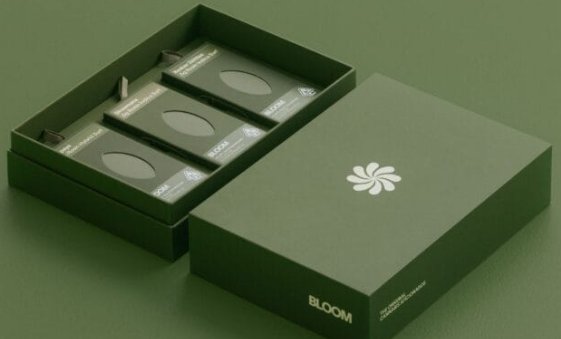
Start by deciding how the product should sit inside the box, then select a suitable structure. Lid-and-base boxes work well for many gifts and retail products. Tuck-end boxes are easy to fold and store, while drawer-style boxes can create a more distinctive unboxing experience. For products that travel long distances, check the bottom strength and make sure the contents will not shift around.
If you plan to sell products in different sizes, consider whether some packaging dimensions can be shared. However, reducing the number of box sizes should never leave products loose inside the packaging. Before placing an order, confirm the finished dimensions, insert position, closure style, and shipping requirements to avoid costly mistakes during production.
How Can New Brands Reduce Custom Packaging Box Printing Costs?
For a first packaging order, complicated printing effects are rarely essential. A clear logo, product name, and necessary product information can provide a professional presentation. The right printing method depends on order quantity, design colors, and packaging materials.
- For small orders: Ask about digital printing. It offers a flexible setup and works well when a product is newly launched or the packaging design may still change.
- For large orders: Compare offset printing quotes. Setup costs, including plate-making, can be spread across more boxes, often making the unit price more competitive.
- For limited budgets: Reduce unnecessary foil stamping, embossing, and special finishes. Reserve the budget for paper quality, box construction, and essential product information.
- For colorful designs: Confirm the print colors, artwork coverage, and expected finished appearance in advance. This helps prevent the final packaging from looking different from the original design.
When requesting a quote, do not focus on the unit price alone. Confirm the minimum order quantity, plate-making fees, finishing costs, shipping charges, and lead time. Quotes based on different materials or production methods are not directly comparable.
What Should You Check Before Ordering Custom Packaging Boxes for the First Time?
Packaging designs often change as a new brand develops. Confirming key details before production can reduce rework and prevent excess inventory.
- Check product dimensions: Test the fit with the actual product instead of relying solely on a design drawing.
- Review print files: Verify logos, text, colors, and product information before printing.
- Confirm the minimum order quantity: Ask about the minimum order and pricing at different quantities to avoid holding too much inventory.
- Test the insert and closure: Make sure the product stays in place and the lid closes properly.
- Plan for future changes: Leave room for updates to logos, product specifications, or labeling.
One detail that is easy to overlook is the difference between a low unit price and a low overall cost. Oversized boxes can increase storage and shipping expenses. Errors in the print files may even make an entire batch unusable. For a new brand, controlling the risks of the first order can be more valuable than simply pushing the unit price down.
Your first custom packaging order does not need every available finishing option. Define the product dimensions, packaging purpose, desired appearance, and budget before choosing materials, box structures, and printing methods. We can help compare the costs of different materials, structures, and printing options based on your product type, estimated order quantity, and design requirements. If you have not settled on a design yet, contact us to discuss your needs and clarify the key specifications and pricing before production.