
Where to get food safe box printing?

Food packaging boxes need to look attractive while meeting practical packaging requirements. Boxes for cookies, chocolate, candy, pastries, and tea can differ in size, structure, and finish. If you want to print your brand logo, product images, ingredient information, or custom graphics on the packaging, choosing the right customization solution is important. We offer custom packaging box design and printing services, tailoring box styles, materials, and printing methods to your products. The result is packaging that reflects your brand identity and works well for everyday use.
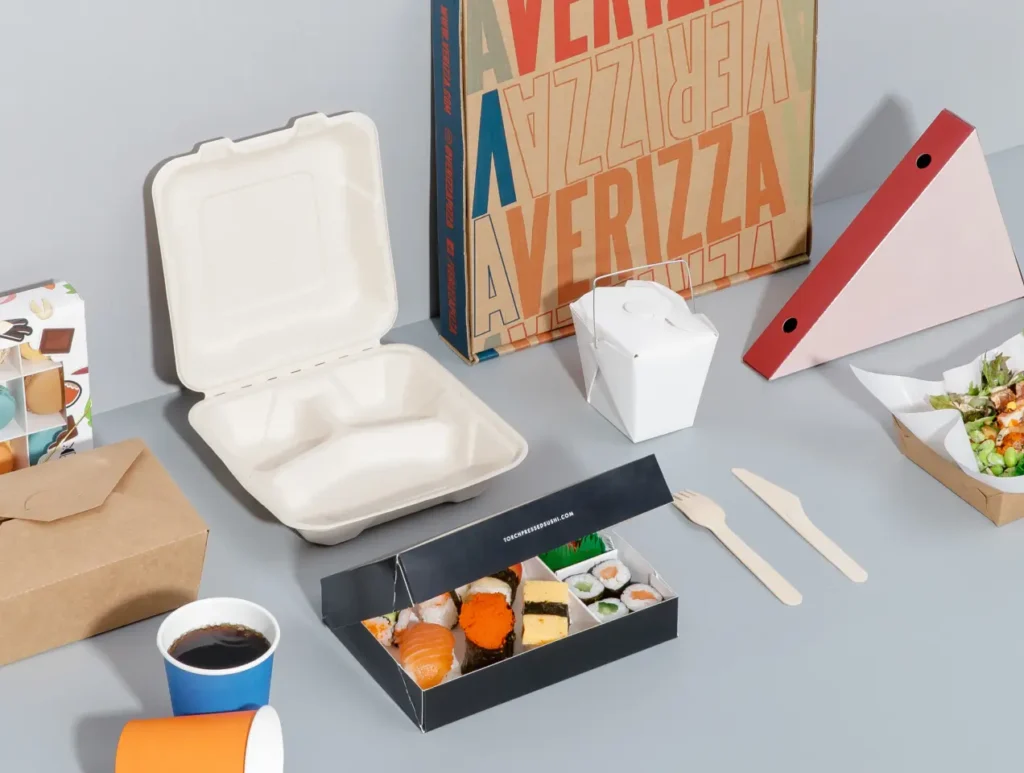
What Can You Customize on Food Packaging Boxes?
Food packaging does not have to be limited to standard sizes or ready-made styles. From everyday food cartons to premium seasonal gift boxes, designs can be customized to suit your products.
- Custom Box Dimensions
Boxes can be designed around the length, width, and height of your products. Whether you need individual pastry boxes, chocolate gift boxes, or tea packaging, custom dimensions help prevent excessive empty space and ensure products fit properly.
- Custom Logo and Graphic Printing
Add your logo, product name, brand graphics, product images, and packaging information. Choose a clean, minimalist design or a more colorful look that helps your products stand out.
- Different Custom Box Styles
Folding cartons, rigid lid-and-base boxes, drawer boxes, and window boxes can all be customized for different products. Premium gift foods may benefit from more elegant box styles, while everyday retail products often need practical designs that are easy to store and display.
- Custom Inserts and Interior Details
Paper inserts, dividers, and product compartments can keep chocolates, candies, and assorted food items neatly arranged. These features also help reduce movement during transportation.
Which Materials and Printing Methods Are Suitable for Food Packaging Boxes?
Materials and printing methods affect a box’s appearance, cost, and performance. A thicker box is not always better, and a more complicated finish is not necessarily the right choice. Consider the type of food, storage conditions, and packaging structure when selecting materials.
| Material or Process | Common Applications | What to Consider |
| White cardboard | Candy, pastry, and chocolate boxes | Stiffness and print quality |
| Corrugated board | Food gift boxes and shipping packaging | Cushioning and compression resistance |
| Offset printing | Brand graphics, product images, and text | Color reproduction and artwork quality |
| Flexographic printing | Certain paper packaging and production runs | Material compatibility and production requirements |
| Lamination and foil stamping | Decorative finishes and premium gift boxes | Suitability of finishing materials |
For food packaging, printed surfaces are generally placed on the outside of the box to avoid direct contact between unsuitable inks and food. If the product does not have a separate inner wrapper, the paper, coatings, and printing materials need more careful consideration.
What Details Matter When Designing Food-Safe Packaging Boxes?
Food packaging design involves more than the graphics on the front. Consider how easily the box opens, whether the food moves around inside, and how well the packaging protects products from pressure during transportation.
For chocolate and candy gift boxes, divided inserts can keep different flavors neatly separated. Pastry boxes need enough interior height and clearance for easy packing without pressing against the food. Tea packaging can use lid-and-base or drawer-style structures to create a more refined presentation.
If food needs refrigeration, freezing, or long-term storage, moisture resistance, temperature tolerance, and barrier properties also matter. Ordinary paper boxes do not automatically provide these functions. A separate food-grade bag or suitable inner packaging may be needed. For packaging that directly contacts food, all contact materials should be checked for suitability under the intended food type and conditions of use.
What Problems Should You Avoid When Customizing Printed Food Boxes?
Several details can affect the final result during the process from design to finished packaging. Addressing them early can help prevent unnecessary changes later.
- Not Allowing Enough Interior Space
Designing a box using only the food’s dimensions may result in a product that does not fit, a lid that will not close, or an insert that is too tight. Remember to account for individual wrappers and interior inserts.
- Unexpected Printing Colors
Colors displayed on a screen may look different when printed on paper. The paper’s base color, surface finish, and printing method can all affect the final appearance. Confirm color requirements before production.
- Choosing Appearance Over Practical Use
Foil stamping and lamination can enhance premium gift boxes. Everyday food packaging, however, also needs to consider cost, packing efficiency, and storage conditions. Extra finishing is not always necessary.
- Overlooking Food Contact Requirements
An attractive appearance does not guarantee that packaging materials are suitable for food contact. Paper, coatings, and other materials that touch food need to meet the applicable requirements and have appropriate supporting documentation.
If you are planning to customize food packaging boxes, share your product dimensions, food type, order quantity, and design ideas with us. We provide custom box structure design, material selection, branded printing, and finishing options to suit your needs. From everyday food cartons to premium branded gift boxes, we can create packaging based on your requirements. Contact us to discuss your custom food packaging box design and printing needs.