
What Details Should You Consider When Designing Electronic Product Packaging Boxes?

Electronic product packaging does more than hold a product. It protects the item, showcases the brand, and creates a better unboxing experience. Earbuds, chargers, smartwatches, and mobile accessories all differ in shape, weight, and the number of included components. A standard box design may not work for every product. If the box is too large, the product may move around during shipping. If the insert is poorly designed, removing the product can become difficult. Good electronic packaging design needs to consider product dimensions, interior structure, materials, and printing details to create packaging that looks appealing and works well in everyday use.
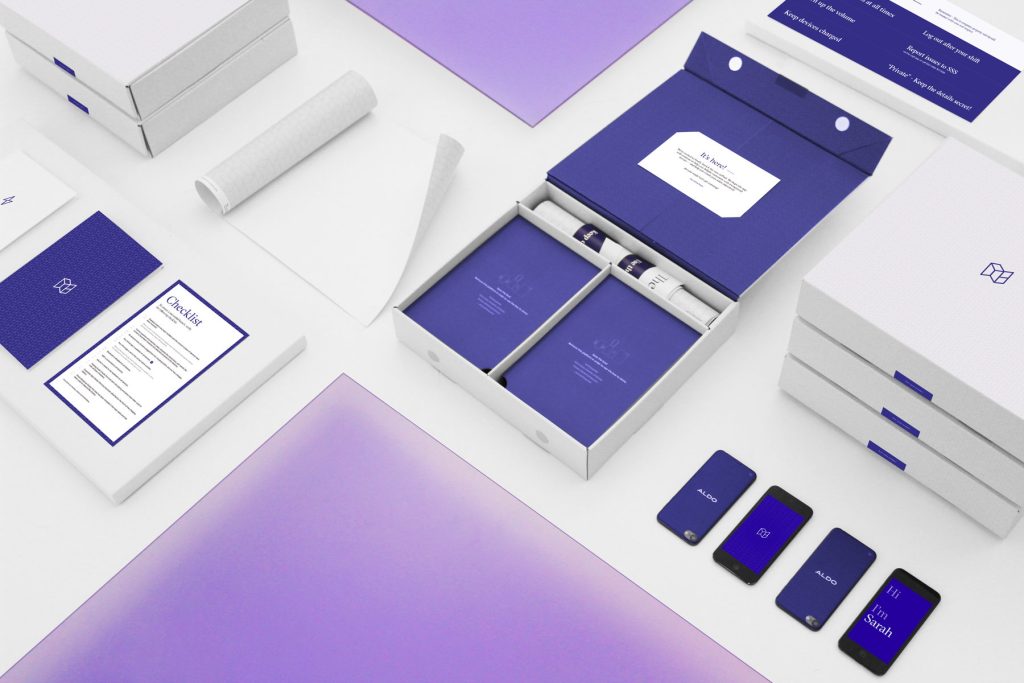
How Should You Design the Size and Structure of Electronic Product Packaging Boxes?
Electronic products come in many shapes and sizes. A rectangular charger, a compact pair of wireless earbuds, and an irregularly shaped smart device cannot all use the same box structure. The product and its accessories should be considered together during the design process.
Leave Enough Room for the Product
Measure the product’s length, width, and height. Also account for protruding parts, buttons, ports, and surfaces that can be easily scratched. The box should not be so tight that the product is difficult to remove, but excessive empty space should be avoided.
Choose a Box Style Based on Product Weight
Folding cartons are suitable for lightweight accessories. Heavier or premium electronic products may need rigid boxes, such as lid-and-base boxes. Products intended for shipping also require consideration of outer carton strength and stacking requirements.
Give Accessories Their Own Compartments
Charging cables, adapters, manuals, and other accessories should have designated storage spaces instead of being mixed together with the main product. Dividers and separate compartments can keep everything neat and organized.
How Do You Choose the Right Insert for Electronic Product Packaging?
The insert is often overlooked during electronic packaging design, even though it plays an important role. The outer box provides overall presentation and basic protection, while the insert keeps the product secure and makes it easier to remove.
Common options include molded pulp inserts, paperboard inserts, EVA foam inserts, and plastic trays. Paperboard inserts work well for products with relatively simple shapes and can be divided into separate compartments. EVA foam can be cut to match a product’s contours, making it suitable for electronic devices that need a secure fit. Plastic trays can also be molded to the product’s shape for a neat presentation.
When choosing an insert, consider whether its surface could scratch the product, whether it may shed particles, and whether customers can remove the product easily after opening the box. If the package contains several accessories, plan the position of each item before finalizing the outer box design.
What Should You Consider When Printing Electronic Product Packaging Boxes?
Electronic product packaging usually displays brand logos, model numbers, product features, and product images. Printing should do more than attract attention. Information needs to be clear, and the layout should be easy to read. Different printing methods and finishing options can also create different visual effects.
| Printing or Design Element | Common Options | Main Purpose |
| Brand logo | Front printing, foil stamping | Improve brand recognition |
| Product images | Full-color offset printing | Showcase the product |
| Model numbers and specifications | Text layout | Help customers identify the product |
| Surface decoration | Lamination, spot UV | Enhance the packaging appearance |
| Unboxing information | Side or back panel printing | Display instructions and packaging details |
During the design process, pay attention to these details:
Avoid Overloading the Packaging with Information
The brand name, product model, and key features should be easy to identify. Secondary information can be placed on the sides or back of the box.
Match Colors to the Product Positioning
Technology products often use clean and simple visual styles, but black-and-white designs are not suitable for every electronic product. Choose colors that match the brand identity.
Use Special Finishes Carefully
Foil stamping, spot UV, and lamination can improve the visual appeal of a box. However, the additional processing costs and actual packaging requirements should also be considered.
Make Sure the Artwork Matches the Box Structure
Logos, text, and graphics should not overlap with fold lines, glued areas, or cutouts. Otherwise, parts of the design may become misaligned or hidden on the finished box.
What Common Problems Should You Avoid in Electronic Packaging Design?
A packaging design may look perfect on screen, but that does not guarantee smooth production or easy packing. Several details should be addressed during the design stage to avoid unnecessary revisions.
Designing the Outer Box Without Considering Product Support
Electronic products can shift or experience impact during transportation. Without a suitable insert, even a sturdy-looking box may allow the product to move around inside.
Ignoring the Unboxing Experience
If an insert opening is too small or the product fits too tightly, customers may have to pull hard to remove it. Finger notches or pull tabs can make removal easier.
Overlooking Production and Assembly
Overly complicated structures may increase folding, gluing, and packing difficulties. The design should balance appearance with manufacturing processes and practical assembly requirements.
Electronic product packaging design needs to balance appearance, protection, and usability. Whether you need boxes for earbuds, chargers, mobile accessories, or other smart devices, we can customize the box style, inserts, paper materials, and printing to match your product dimensions, weight, and accessories. If you are looking for custom electronic product packaging, contact us to discuss your requirements and design ideas. We can help create packaging that fits your product and its intended use.