
A Complete Guide to Custom Food Box Printing

Custom food box printing is widely used in the food delivery, baked goods, and pre-packaged food industries. It not only protects the product but also directly impacts brand image and the consumer buying experience. A well-designed and high-quality printed food box can enhance brand recognition and increase product trust in retail settings. Understanding the key aspects of custom food box printing helps in making more informed decisions during the selection and design process.
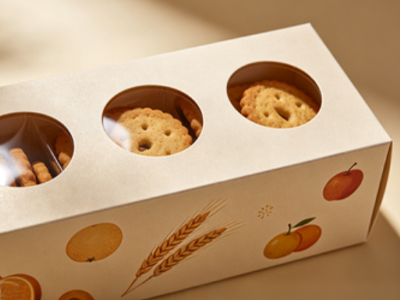
Food-Grade Material Selection Determines the Foundation of Safety
The most crucial requirement for food boxes is safety; therefore, material selection must prioritize food contact standards. Common food packaging materials include food-grade cardboard, coated paper, and composite paper. Different materials exhibit varying performance in terms of oil resistance, moisture resistance, and structural stability. For oily or water-containing foods, surface treatment capabilities are particularly important, reducing the risk of penetration and maintaining a clean packaging appearance. The inherent safety level and stability of the material are fundamental conditions for custom food box printing.
Printing Inks Directly Affect Food Safety and Visual Appeal
Food box printing must not only focus on visual presentation but also prioritize ink safety. Food-grade inks typically have stricter requirements for migration control and environmental standards to avoid adverse effects when in contact with food. At the same time, ink performance also affects the overall visual effect, including color reproduction, saturation, and detail clarity. Insufficient ink adhesion can also lead to color fading during transportation or use, affecting brand image.
Structural Design’s Relationship with User Experience and Transportation Safety
Food boxes are not only packaging containers but also serve transportation and display functions, making structural design particularly important. A reasonable structure can improve load-bearing capacity and reduce the risk of deformation, while also affecting the opening and closing experience and display effect.
- Folding structure facilitates transportation and storage
- One-piece molding structure improves overall stability
- Locking design enhances sealing security
- Internal partition structure is suitable for multiple food categories
- Window design helps improve display effect
Whether the structural design is reasonable or not directly affects the stable performance of the food box during actual use.
Printing Process Enhances Packaging Texture and Brand Recognition
During the customized printing process of food boxes, the choice of printing process can significantly improve visual hierarchy and brand recognition. Basic printing is used for information presentation, while special processes are used to enhance key visual effects. Hot stamping can enhance a premium feel, embossing enhances the tactile experience, and spot UV coating helps highlight brand logos. Lamination enhances protection, ensuring the packaging maintains its appearance in humid or greasy environments. A well-balanced combination of processes can make food boxes more attractive on shelves or in takeout scenarios.
Custom Design Must Consider Both Brand and Actual Usage Scenarios
Custom printing of food boxes is not just a matter of visual design; it also needs to be optimized for actual usage scenarios. Takeout scenarios prioritize leak-proofness and structural stability, baked goods emphasize display effects and aesthetics, while pre-packaged foods focus more on clear information and brand expression. If the design only stays at the visual level, it may not meet actual usage needs. By combining brand elements with usage scenarios, food boxes can possess both communicative power and practical value, thus playing a greater role in the market.

