
Analysis of Common Paper Materials in Chocolate Box Printing

As a premium confectionery, chocolate packaging plays a crucial role in product protection, brand presentation, and consumer appeal. High-quality paper materials not only ensure excellent printing results but also enhance tactile experience and overall packaging texture. In chocolate box printing, material selection directly affects print clarity, color saturation, durability, and environmental performance. Understanding the characteristics of commonly used paper materials helps companies create packaging that is visually appealing, practical, and aligned with brand value.
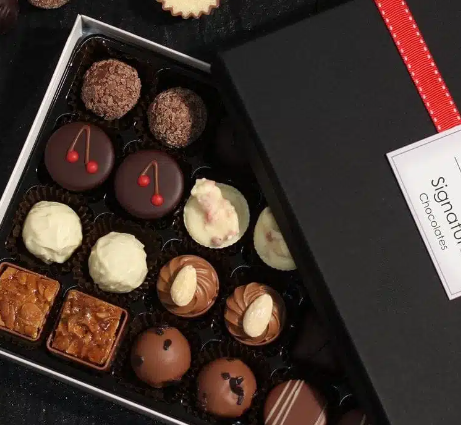
Kraft Paper in Chocolate Packaging
Kraft paper is widely used in chocolate packaging due to its natural texture and eco-friendly properties. Key considerations when selecting kraft paper include:
- Print Compatibility: The smooth surface and moderate absorbency of kraft paper make it suitable for full-color or spot-color printing, ensuring clear patterns.
- Thickness and Strength: Choose thickness based on the packaging type to ensure that gift boxes or carry boxes remain sturdy during transport.
- Environmental Attributes: Opt for recyclable or FSC-certified kraft paper to enhance packaging sustainability and brand image.
Selecting kraft paper appropriately allows chocolate boxes to present a natural, high-quality appearance while meeting durability and environmental requirements, providing a reliable foundation for packaging design.
Coated Paper Advantages in Chocolate Box Printing
Coated paper is commonly used in premium chocolate packaging due to its smooth surface and fine printing quality. Its advantages include:
- High-Resolution Printing: Coated paper is suitable for detailed designs and full-color printing, ensuring clear patterns and rich colors.
- Surface Finish Options: Matte, gloss, or spot UV treatments enhance visual appeal and texture.
- Versatility: Coated paper can be used for single-layer packaging or combined with composite or laminated structures to increase durability.
Proper use of coated paper gives chocolate boxes a luxurious and refined appearance, ideal for high-end product packaging.
Composite and Specialty Paper Applications
Composite papers combine standard paper with aluminum foil or plastic to enhance moisture resistance, crush resistance, and durability while maintaining print quality and tactile feel. Specialty papers, such as art paper, textured paper, or metallic paper, create unique visual effects and elevate perceived value. Selection should consider product grade, transportation conditions, and budget to ensure packaging is both attractive and functional.
Cost and Application Strategy
Different paper materials vary in cost and application. Kraft paper is moderately priced and suitable for mid- to low-end chocolate packaging or eco-conscious brands. Coated paper is slightly more expensive but delivers refined printing and high-quality tactile experience for premium products. Composite and specialty papers carry higher costs but enhance packaging functionality and brand value. Companies should evaluate product positioning, market demand, and budget to choose the most suitable paper material, achieving an optimal balance between cost control and high-quality packaging.
Paper material selection in chocolate box printing directly determines visual appeal, tactile experience, and functionality. By analyzing kraft paper, coated paper, composite materials, and specialty papers, companies can find the best balance between cost, print quality, and brand image. Proper use of these materials enhances packaging aesthetics and texture while increasing brand value and market competitiveness.

