
Can custom packaging boxes be made waterproof?

A paper box gets caught in the rain, and at first, it may look like only the surface is wet. A little later, the paper can soften, wrinkle, or even lose the strength needed to support the product inside. This can be a real headache for e-commerce shipping, food packaging, and gift boxes. So, can custom packaging boxes be made waterproof? Yes, their water and moisture resistance can be improved, although ordinary paper boxes are rarely suitable for prolonged immersion in water. The right solution depends on where the packaging will be used, how much water it may encounter, and what it needs to protect. Choosing suitable materials and finishing methods can help prevent moisture damage without making the box unnecessarily thick or expensive.
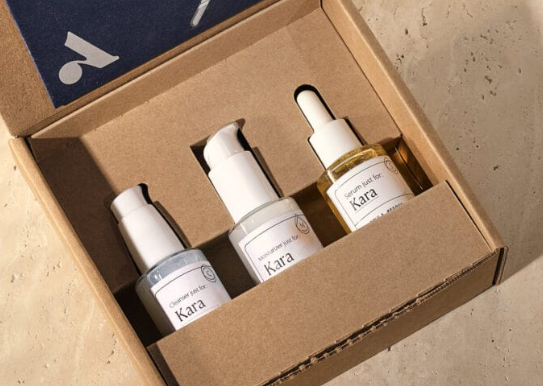
How Can Custom Packaging Boxes Be Made Waterproof?
Paper naturally absorbs water, but several methods can help packaging boxes resist moisture. Surface treatments, paperboard selection, and adhesive design all play a role. Each method offers different levels of protection and comes with different costs, so not every box needs every treatment.
- Lamination: A thin film is applied to the box surface to reduce direct contact between water droplets and the paper. It is commonly used for gift boxes, cosmetic packaging, and retail cartons. Matte and gloss lamination can improve appearance and protect printed graphics, but neither automatically makes a box completely waterproof.
- Water-resistant coatings: Special coatings can slow down water absorption and are useful for paper packaging that needs additional moisture protection. Performance depends on the coating type and the conditions in which the box is used.
- Moisture-resistant corrugated board: For shipping cartons, treated corrugated board can help maintain box strength in humid conditions and reduce the effects of moisture during storage and transportation.
- Improved box bottoms and glued seams: The bottom, joints, and folded edges are common points where water can enter. Choosing suitable adhesives and designing tighter joints can provide more practical protection than treating the outer surface alone.
For packaging that only comes into occasional contact with water droplets, a surface treatment may be sufficient. Boxes used in damp warehouses or exposed to moisture during transportation may need more attention to board performance and structural design.
Which Materials Are Suitable for Waterproof Packaging Boxes?
No single material is ideal for every waterproof packaging application. Gift boxes often prioritize appearance, shipping cartons need strength, and food packaging must also meet applicable food-contact requirements. The following table provides a practical starting point for material selection.
| Packaging Material | Common Applications | Main Features |
| Laminated paperboard | Gift boxes, cosmetic boxes, retail packaging | Helps reduce surface moisture and provides good print quality |
| Coated paperboard | Paper boxes requiring some moisture resistance | Can slow water absorption, depending on the coating |
| Moisture-resistant corrugated board | E-commerce shipping cartons, warehouse packaging | Combines shipping strength with improved moisture resistance |
| Wax-treated paperboard | Selected shipping and moisture-resistant packaging | Provides some water resistance, but recycling may be more complicated |
| Plastic or composite barrier materials | Packaging requiring a higher level of water protection | Can offer stronger barrier performance but requires consideration of environmental impact and recycling |
It is also important to distinguish between moisture resistance and waterproofing. Moisture resistance mainly helps limit the effects of water vapor and humid conditions, while waterproofing focuses more on protection from liquid water. For food, cosmetics, and other products with specific contact requirements, the materials, coatings, and adhesives must also be suitable for their intended use.
Why Do Waterproof Packaging Boxes Still Let Water In?
Some boxes appear water-resistant when they first come off the production line, but after a period of use, the bottom may soften and the corners may begin to wrinkle. The problem is not always the surface material. Structural weaknesses or inadequate testing can also be responsible.
- Treating only the outer surface: Lamination or coatings protect the areas they cover, but water may still enter through untreated sections.
- Ignoring the bottom and seams: The box bottom carries the product’s weight, while seams can collect moisture. Both areas need careful inspection.
- Confusing moisture resistance with waterproofing: Moisture-resistant board is not necessarily suitable for prolonged exposure to rain, let alone immersion in water.
- Skipping practical tests: A sample may look fine on a table but still soften or deform during shipping and stacking.
During sampling, a small amount of water can be used to check how the surface responds. The box bottom, corners, and glued seams should also be inspected for softening, separation, or cracking. For long-distance shipping, testing should simulate actual loading, stacking, and humid conditions to check whether the box can continue to support the product.
What Affects the Cost of Custom Waterproof Packaging Boxes?
The cost of custom waterproof packaging depends on more than paperboard thickness. Adding lamination to a standard paper box is usually different from producing a shipping carton with moisture-resistant coatings and a reinforced bottom. If you want to keep costs under control, consider these key factors:
- Packaging materials: Standard white paperboard, corrugated board, and composite barrier materials have different costs. Heavier products may also require stronger board.
- Water-resistant finishing: Lamination, coatings, and specialized adhesives involve different production steps. More complex treatments may increase processing costs.
- Box structure and dimensions: Larger boxes require more material, while inserts, dividers, and special structures can add to manufacturing costs.
- Order quantity: Production volume affects material usage and manufacturing efficiency. Larger runs can often reduce the average cost per box.
- Printing and surface finishes: Full-color printing, foil stamping, and other decorative finishes should be included when calculating the total cost.
If the packaging only comes into occasional contact with water, it may be worth considering lamination or a moisture-resistant treatment first. For boxes used in damp shipping environments, board strength, seams, and bottom construction also need attention. During sampling, place the actual product inside the box and check surface moisture resistance, bottom support, and closure performance before moving to mass production. This helps avoid unnecessary finishing costs and makes it easier to select a solution that suits the product.
Custom packaging boxes can be made more water-resistant through lamination, coatings, treated paperboard, and improved structural design. The right approach depends on the materials, finishing methods, and intended environment. Gift boxes may need better surface protection, while shipping cartons require careful attention to board strength, seams, the bottom, and internal support. INS PACKAGING provides custom packaging design, material selection, printing, sampling, and manufacturing services to help develop packaging solutions that maintain their appearance while offering more practical protection against moisture during storage and transportation.

