
Can packaging boxes be customized?

Against the backdrop of increasingly evident product homogenization, packaging is no longer merely a simple protective tool; it has evolved into a vital vehicle for brand expression. An increasing number of enterprises are turning their attention to custom packaging, aiming to enhance their products’ appeal and memorability by refining their appearance, structure, and intricate details. Regarding the question of whether—and to what extent—personalization can be achieved, the answer is not monolithic; rather, it encompasses a multifaceted interplay of design, materials, craftsmanship, and brand positioning. By gaining a deep understanding of these key elements, one can more clearly grasp the inherent flexibility and potential of custom packaging, thereby identifying the most fitting modes of expression to meet specific needs in practical application.
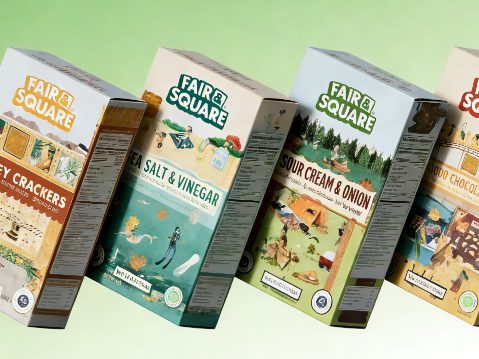
Design Elements Allow for Diverse Expression
The visual design of a packaging box serves as the most intuitive manifestation of personalization.
- Free Combination of Patterns and Colors:Different brands can cultivate a unique stylistic identity through the strategic pairing of colors and the creative design of patterns.
- Typography and Layout Convey Brand Tone:The manner in which text is presented can effectively communicate a brand’s temperament and market positioning.
Through variations in visual elements, packaging can project vastly different personalities.
Material Selection Influences Overall Texture
Different materials evoke distinct tactile sensations and visual effects. Paper-based materials, for instance, offer a rich and diverse spectrum—ranging from glossy to matte finishes—allowing various material types to satisfy a wide array of requirements. Specialized materials can significantly enhance brand recognition, while certain textures offer a uniquely tactile user experience. The judicious selection of materials imbues packaging with greater depth, layering, and distinctiveness.
Structural Design Enhances User Experience
The structural design of packaging not only influences its outward appearance but also directly impacts the user’s interaction and experience.
- Diversified Opening Mechanisms:Varying structural designs can create distinct and engaging unboxing experiences.
- Functional Design for Practical Utility:By balancing the imperatives of product display and physical protection, functional design adds tangible value to the packaging.
Structural variations transform packaging from a static, monolithic object into a dynamic entity that fosters a sense of interactivity.
Craftsmanship Details Elevate Overall Quality
Exquisite craftsmanship lends packaging a palpable sense of premium quality.
- Diverse Surface Finishes:Techniques such as embossing, foil stamping, and spot UV coating serve to visually enhance the packaging’s aesthetic appeal.
- Meticulous Detail Work:The precise execution of edges, corners, and seams significantly influences the overall visual impression.
Through the layering of sophisticated craftsmanship techniques, the expressive power of the packaging is brought into sharper focus.
Holistic Planning Aligned with Brand Positioning
Personalization is not a matter of arbitrary design; rather, it must be strategically centered around the brand itself.
- Unified Visual Language:Ensuring that the packaging remains visually consistent and harmonious with the overarching brand image.
- Highlighting Core Selling Points:Utilizing design elements to strategically emphasize and reinforce the product’s unique features and competitive advantages.
Personalization becomes truly meaningful when executed within the framework of a comprehensive overall plan.
Viewed from multiple perspectives, custom packaging offers substantial scope for personalization; whether involving visual design, material selection, or structural and manufacturing techniques, every element can be flexibly tailored to meet specific requirements. Successful personalized packaging transcends mere aesthetic variation; it represents the manifestation of a holistic mode of expression. By continuously refining design concepts and attending to intricate details, packaging can be made to stand out amidst a crowded marketplace, leaving a profound and lasting impression on consumers the very moment they encounter the product. Such packaging not only enhances the perceived value of the product but also establishes a distinct and unmistakable identity for the brand.

