
Chocolate Box Packaging Printing Knowledge and Anti-Melting Design

As a premium confectionery, chocolate packaging plays a dual role of protecting the product and enhancing consumer experience. High-quality printing combined with effective anti-melting design ensures that chocolates remain intact while elevating brand image and visual appeal. Chocolate box packaging requires careful consideration of materials, printing techniques, structural design, and anti-melting measures. Understanding these aspects helps companies create packaging that balances aesthetics, functionality, and safety.
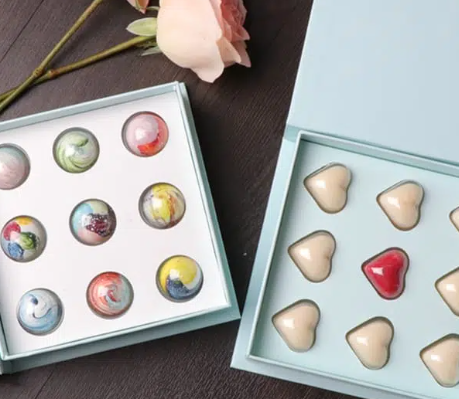
Packaging Material Selection and Properties
Common materials for chocolate box packaging include paper, plastic, composite, and metal materials. Paper materials, such as kraft paper, coated paper, and grayboard, are ideal for clear, vibrant printing and offer eco-friendly advantages. Plastic materials like PET, PP, and PVC are often used for inserts or transparent windows, providing moisture resistance and protection against compression. Composite materials combine paper with plastic or aluminum foil to enhance durability, moisture resistance, and premium feel. Metal materials are commonly used for high-end gift boxes, offering strong protection while elevating the packaging’s visual quality. Material selection should consider product type, shipping conditions, and brand positioning to ensure packaging is both practical and visually appealing.
Printing Techniques and Design Considerations
The printing process directly affects brand presentation and consumer perception. Key points to consider include:
- Printing Methods: Common options include offset, flexographic, and UV printing. Choose the appropriate method based on material type and design complexity.
- Color Management: Proper color selection and gloss treatment ensure vibrant, layered printed designs.
- Scratch and Stain Resistance: Coatings, varnish, or spot UV treatments improve surface durability and protect against dirt and abrasion.
Following these guidelines ensures packaging remains visually attractive and maintains its quality throughout transportation and retail display.
Anti-Melting Design and Structural Optimization
Anti-melting measures in chocolate box packaging help prevent product damage due to heat or handling. Key design points include:
- Insert Design: Use insulating cardboard, plastic inserts, or aluminum foil to isolate chocolate from external heat.
- Ventilation and Breathability: Proper venting or micro-perforations prevent excessive internal temperature.
- Structural Reinforcement: Multi-layer structures or support bars enhance crush resistance and prevent chocolate deformation.
- Sealing Performance: Vacuum sealing, heat sealing, or clasp closures reduce air and moisture exposure, preventing melting or spoilage.
Scientific anti-melting design ensures chocolates remain intact during shipping, storage, and display while enhancing safety and user experience.
Cost and Application Strategy
Materials, printing techniques, and anti-melting designs all affect packaging costs. Paper materials with basic printing are suitable for mid- to low-end products or mass production. High-transparency plastic inserts, composite materials, and advanced finishing techniques such as spot UV or foil stamping are better suited for premium gift boxes, enhancing brand image and consumer experience. Anti-melting measures, including insulating inserts, structural reinforcement, and sealing, add cost but safeguard product quality and taste. Companies should evaluate product positioning, market requirements, and transportation conditions to select the most appropriate materials and printing techniques while optimizing cost and functionality.
Chocolate box packaging relies on both printing quality and anti-melting design. By selecting suitable materials, matching printing techniques, and implementing scientific anti-melting structures, chocolates can remain intact during transport and storage while enhancing visual appeal and brand image. High-quality packaging protects the product and improves consumer experience, increasing purchase intent and giving chocolate brands a competitive advantage in the market.

