
Coffee Box Printing Knowledge and Trends in Environmentally Friendly Materials

As the coffee consumption market continues to expand, brands’ requirements for packaging are also gradually increasing. Coffee boxes not only serve the function of protecting the product but also play an important role in brand communication. Printing processes and material selection directly affect the packaging’s texture, environmental attributes, and consumer experience. Understanding coffee box printing knowledge and the development trends of environmentally friendly materials helps improve overall packaging competitiveness.
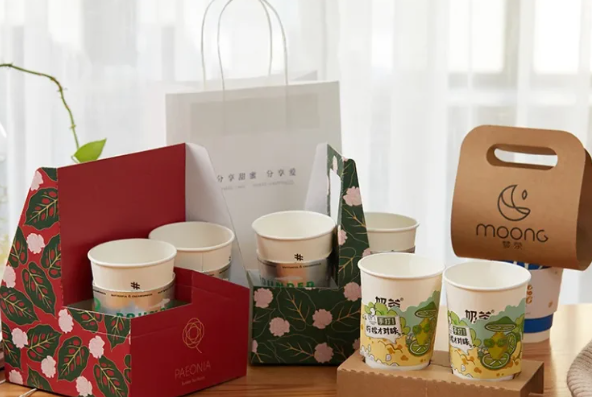
Basic Printing Processes for Coffee Boxes
Common printing methods for coffee boxes include offset printing, flexographic printing, and digital printing. Offset printing is suitable for mass production, offering stable color reproduction and the ability to produce delicate patterns; flexographic printing has certain advantages in terms of environmental friendliness and is often used in food packaging; digital printing is more suitable for small-batch customization, offering greater flexibility. In practical applications, the choice is made based on order quantity, pattern complexity, and budget. Different processes differ in cost and effect; a reasonable match can improve overall cost-effectiveness.
Design and Brand Visual Expression
Packaging design occupies an important position in coffee boxes, needing to not only reflect the brand style but also consider practicality. Color matching, font design, and pattern layout all influence the consumer’s first impression. High-quality design enhances brand recognition and makes products more attractive on shelves. Simultaneously, structural design needs to consider opening and closing mechanisms and portability to ensure a good user experience.
Common Types of Environmentally Friendly Materials
Driven by environmental trends, more and more brands are adopting sustainable materials for coffee boxes. Common types include:
- Recycled paper materials, which reduce resource waste through recycling and are suitable for most packaging needs;
- Biodegradable pulp molding materials, which have good environmental properties and are suitable for brands that emphasize green concepts;
- Plastic-free coated cardboard, which reduces plastic use while maintaining moisture resistance;
- Plant-based inks, used in the printing process to reduce environmental impact;
These materials have their own advantages in different scenarios and can be selected according to product positioning.
The Impact of Environmental Trends on the Printing Industry
With increasingly stringent environmental requirements, the printing industry is gradually transforming. Traditional high-pollution processes are gradually being replaced, and low-volatile inks and energy-saving equipment are becoming more widespread. Companies are paying more attention to reducing waste and energy consumption during production to meet relevant standards. Meanwhile, increased consumer focus on environmentally friendly packaging is prompting brands to optimize material selection and printing methods, making packaging more sustainable.
Balancing Cost and Environmental Protection
In practical applications, there are cost differences between environmentally friendly and traditional materials. Some environmentally friendly materials are more expensive, but they can enhance brand image and meet market demands. When choosing, a balance needs to be struck between budget and positioning. If the product targets the high-end market, solutions with stronger environmental attributes can be prioritized; if cost-effectiveness is emphasized, optimization can be done in key areas to control costs while ensuring a certain level of environmental performance.
Coffee box printing and material selection are constantly evolving. The shift from traditional processes to environmental trends is opening up more possibilities for the packaging industry. By rationally selecting printing methods and materials, functional requirements can be met while enhancing brand value, making products more attractive in the market.

