
Color Management in Cosmetic Box Printing Knowledge

Color management is a crucial aspect of cosmetic packaging design and production, significantly impacting visual appeal. Consumers are often drawn to product colors, making accurate color reproduction directly relevant to brand image and market performance. Cosmetic box printing involves multiple steps: design, plate making, printing, and post-processing, each potentially affecting color. A lack of systematic color management can lead to color differences and deviations, impacting product consistency and perceived quality. Scientific color control methods effectively improve printing stability and ensure a more uniform packaging effect.
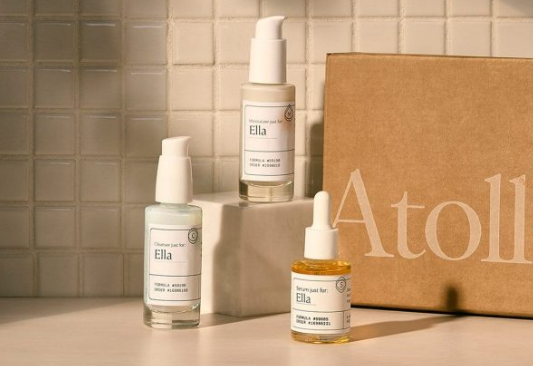
The Role of Color Management in Printing
Color management is not merely about simple color reproduction; it’s a vital control mechanism throughout the entire printing process. During the design phase, designers typically use specific color modes, such as CMYK, to closely approximate the printed effect. In the plate-making stage, designs must be converted into color data suitable for printing equipment; inaccurate conversion results in significant deviations. During printing, different equipment and inks also affect color performance. Establishing unified color standards ensures consistent appearance across different batches, enhancing brand recognition.
Common Color Deviation Issues
Color problems are common in cosmetic box printing, mainly manifesting in the following ways:
- Significant color difference: The finished product color differs significantly from the design draft or sample.
- Uneven color: The color depth varies within the same batch of products.
- Overall color shift: The overall tone is either too warm or too cool.
- Insufficient spot color reproduction: The brand-specified color cannot be accurately reproduced.
- Differences between batches: Products produced at different times exhibit color variations.
These problems affect the product’s shelf display and may reduce consumer trust in the brand.
Key Factors Affecting Color Management
The stability of color management is affected by various factors. The performance and calibration status of printing equipment directly affect color output; if equipment is not regularly maintained, instability is likely to occur. Ink quality is also a key factor; different batches of ink may have different color values. The surface characteristics of paper or packaging materials can alter color performance; for example, different ink absorption rates can lead to variations in color depth. Environmental factors are also crucial; changes in temperature and humidity can affect ink drying speed, thus impacting the final result. Only by controlling these factors can stable color performance be achieved.
Methods to Improve Color Management Effectiveness
In actual production, color control can be improved by standardizing operating procedures.
- Establish standard color references: Control through comparison using color cards or standard samples.
- Conduct proofing confirmation: Confirm the final color effect before mass printing.
- Regularly calibrate equipment: Ensure stable printing press output.
- Standardize ink and material sources: Reduce the impact of batch differences.
- Strengthen production process monitoring: Detect deviations promptly and make adjustments.
These measures can effectively reduce color deviations and improve printing consistency.
Development Trends in Color Management for Cosmetic Packaging
With technological advancements, color management in cosmetic box and color box printing is constantly being optimized. Digital management systems are increasingly being applied to the printing process, making color data more accurate and controllable. High-end brands are placing greater emphasis on spot color management, achieving unique visual effects through customized inks. The use of environmentally friendly materials also places higher demands on color performance, requiring color stability while ensuring environmental protection. In the future, color management will become more refined and standardized, providing cosmetic packaging with a more stable and high-quality visual presentation.

