
Common Compliance Issues in Pharmaceutical Packaging Printing

Pharmaceutical packaging not only protects drugs but also involves drug information transmission and regulatory compliance. With the development of the pharmaceutical industry, the standardization of pharmaceutical packaging printing has become a key focus for regulatory authorities. Non-compliant packaging not only affects drug safety but may also lead to legal risks and damage to corporate reputation. Understanding common compliance issues helps pharmaceutical manufacturers and packaging suppliers avoid risks during the design and printing process.
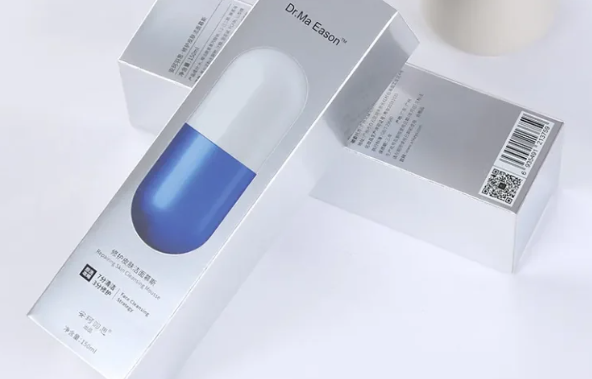
Label Content Not Meeting Standards
The label content on pharmaceutical packaging is a core part of regulatory inspections and must completely and accurately reflect information such as the drug name, ingredients, dosage, production batch number, expiration date, and approval number. Common non-compliance issues include blurry fonts, missing information, inconsistent batch numbers and production dates, and unclear dosage instructions. These problems may lead to medication errors or penalties from regulatory authorities; therefore, strict proofreading and review according to regulations are essential during the printing process.
Printing Materials and Process Issues
Pharmaceutical packaging materials directly affect the stability and safety of drugs. Substandard materials may cause drugs to become damp, oxidized, or contaminated. Furthermore, substandard printing processes can lead to blurred information, discoloration, or powdering, affecting label readability and anti-counterfeiting functionality. Common problems include using inks that do not meet GMP requirements, insufficient printing clarity, and impurities in packaging paper or plastic film, all of which pose potential risks during drug distribution.
Illegal Use of Promotional Language
Drug packaging must not contain exaggerated claims of efficacy or promotional content that induces consumption; this is a clearly stipulated requirement of drug management regulations. However, some companies use misleading terms or images in their packaging designs, such as “immediate effect” or “100% cure,” which easily crosses legal boundaries. The proper approach is to strictly adhere to the drug instructions and regulatory requirements, avoiding any form of false or exaggerated advertising.
Inadequate Anti-counterfeiting and Traceability Measures
Drug packaging plays a crucial role in anti-counterfeiting and traceability. Failure to meet requirements may result in counterfeit drugs entering the market or difficulties in tracing. Anti-counterfeiting technologies include laser engraving, QR codes, and tamper-evident labels; however, improper design or printing errors may render these anti-counterfeiting measures ineffective. Compliance issues mainly include missing QR code information, unclear laser markings, and easily detached labels, requiring control over printing processes and material selection.
Packaging Design Mismatch with Regulatory Requirements
Pharmaceutical packaging design must comply with national pharmaceutical packaging regulations and GMP standards, especially for pediatric medications, high-risk drugs, and drugs with special dosage forms. Common problems include excessively small fonts, important information being obscured by graphics, and packaging structure designs that do not meet misuse prevention standards. Ensuring design consistency with regulations helps improve drug safety and user experience.
Inadequate Printing and Production Process Management
Inadequate process management during pharmaceutical packaging printing is also a major source of compliance issues, easily leading to misprinted information or batch confusion. Common practices include incomplete batch printing records, missing quality inspection links, and lack of a traceability mechanism. Improving printing management processes and establishing a strict review and quality inspection system are crucial measures to avoid compliance risks.
Compliance Details in the Packaging Process
During the printing of pharmaceutical packaging, attention must be paid to details in several aspects to ensure compliance:
- Confirm that all drug information is consistent with the approval number.
- Use printing materials and inks that meet GMP requirements.
- Ensure label fonts are clear and legible, avoiding obscuring important information.
- Employ effective anti-counterfeiting technologies to ensure traceability.
- Strictly manage and record the printing process.
These details not only ensure drug safety but also meet the inspection requirements of regulatory authorities, reducing legal and economic risks for enterprises.
Analysis of common compliance issues in pharmaceutical packaging printing reveals that strict control is required at every stage, from material selection and design to printing technology and process management. Only by establishing a complete quality management system can enterprises ensure that pharmaceutical packaging meets standards in terms of safety, compliance, and information transmission, providing reliable guarantees for drug circulation and use.

