
Common Material Analysis in Candle Color Box Printing

Candles are widely used as gifts, home décor items, and seasonal products, and their color box packaging plays a crucial role in market performance. Packaging is not only responsible for product protection during transportation but also directly influences consumers’ perception of brand quality and positioning. Different materials vary in printing performance, structural strength, tactile experience, and cost control. Understanding common material options and their compatibility with printing processes helps make more informed decisions during the design and production stages.
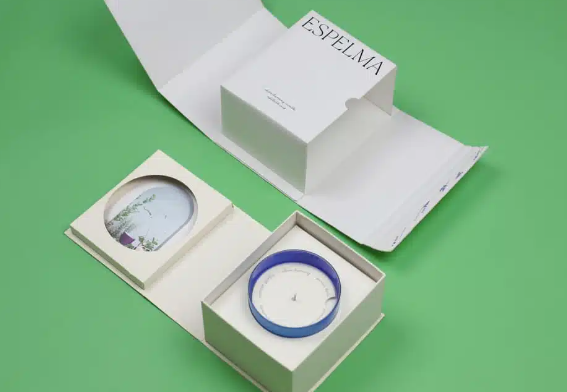
Common Paper Material Categories
In candle color box printing, several base materials are frequently used. Each serves different market segments and product positioning:
- Coated paper: Smooth surface with excellent color reproduction, suitable for full-color graphics and gradient designs.
- White cardstock: High stiffness and strong load-bearing capacity, ideal for mid-to-high-end candle packaging.
- Grey board laminated paper: Inner grey board provides structural support, often used for rigid gift-style boxes.
- Kraft paper: Natural texture and eco-friendly appearance, suitable for handmade or organic-style candle brands.
- Specialty paper: Features unique textures or colors, adding decorative value without heavy printing.
Each material differs in visual presentation and tactile feel, so selection should align with product positioning and market demand.
Paper Weight and Structural Stability
Glass jar candles or ceramic container candles tend to be heavier, requiring stronger packaging support. Choosing the appropriate paper weight and structure is essential:
- 250g–300g white cardstock: Suitable for lightweight or small-size candles.
- 350g–400g white cardstock: Ideal for medium-sized glass jar candles.
- Rigid grey board structure: Recommended for large or premium candle products requiring higher strength.
Paper that is too thin may deform during shipping, while overly thick paper increases production costs and die-cutting difficulty. Fold lines and scoring must also be carefully tested to prevent cracking or edge splitting.
Material and Printing Process Compatibility
Different materials respond differently to finishing techniques. Proper matching enhances the overall packaging effect:
- Coated paper works well with full-color printing and lamination.
- White cardstock is suitable for hot stamping, embossing, and debossing.
- Kraft paper pairs well with minimal or single-color printing.
- Specialty paper benefits from selective finishing techniques to highlight texture.
Planning material and finishing combinations during the design phase helps prevent unexpected production issues.
Eco-Friendly Material Trends
Sustainable packaging has become increasingly important in the candle industry. Many brands are shifting toward environmentally conscious materials:
- Recycled paper reduces raw material consumption.
- Biodegradable lamination lowers environmental impact.
- Eco-friendly inks minimize harmful chemical residues.
- Unbleached kraft paper reinforces natural branding aesthetics.
Eco-friendly materials may absorb ink more quickly, so print settings often require adjustment to maintain color accuracy and clarity. Testing samples before mass production ensures stable results.
Cost and Mass Production Considerations
Material choice significantly affects overall production costs and profit margins. Standard white cardstock and coated paper are cost-effective for bulk orders, while rigid grey board and specialty papers are better suited for premium gift packaging.
Pre-production sampling helps confirm color accuracy, scoring quality, and die-cut precision. Balancing material grade with budget planning ensures both packaging quality and commercial viability.
Impact of Material Choice on Brand Image
The material used for candle color boxes shapes the brand’s visual identity and consumer perception. Thicker and sturdier paper conveys premium quality, smooth surfaces suggest refinement and modernity, while textured or kraft materials communicate warmth and sustainability.
Careful material selection combined with suitable printing techniques enhances shelf appeal and strengthens brand recognition, helping candle products stand out in a competitive retail environment.

