
Common Material Comparison for Electronic Product Box Printing

Electronic product packaging plays a crucial role in protecting products, enhancing brand image, and attracting consumer attention. The box material not only determines the printing effect and packaging texture but also directly affects structural strength, durability, and safety during transportation. Understanding the characteristics and applicable scenarios of different materials is essential for choosing suitable electronic product packaging.
Common Cardboard Materials and Characteristics
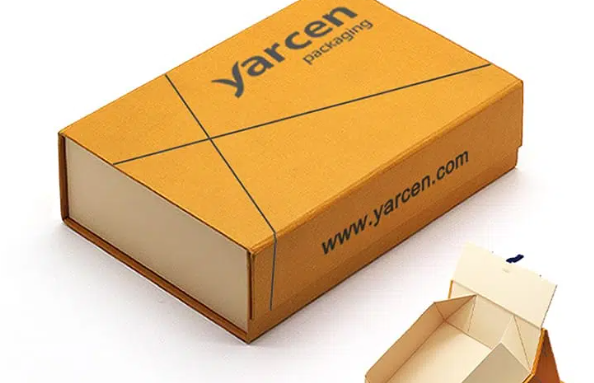
Common cardboard materials for electronic product boxes include white cardboard, grey board, corrugated paper, and coated paper. White cardboard has a fine texture and smooth surface, suitable for high-end color box printing, offering high color reproduction and a pleasant feel. Grey board is thick and has strong load-bearing capacity, suitable for heavier electronic products, but its relatively rough surface requires lamination or other surface treatments to improve printing results. Corrugated paper has good cushioning and compression resistance, especially suitable for protecting electronic products during logistics and transportation, and is often used for outer packaging or inner linings. Coated paper has a smooth surface, suitable for color printing and complex pattern designs, but its load-bearing capacity is limited, and it is mostly used for lightweight or display packaging.
Differences in Printing Adaptability and Effects
Different materials exhibit significant differences in printing effects and process adaptability, which can be analyzed from the following aspects:
- White cardboard and coated paper: Suitable for offset and UV printing, capable of displaying delicate patterns and color gradations, with strong printing layering.
- Grey board: Rough surface, usually requiring lamination or varnishing; otherwise, uneven ink absorption or color deviation may occur.
- Corrugated paper: Limited surface flatness, suitable for simple patterns or partial printing; complex patterns are prone to distortion.
By rationally selecting printing processes and material combinations, packaging quality can be improved while ensuring aesthetics.
Influence of Material on Structural Strength
The material of the cardboard directly affects the load-bearing capacity and durability of electronic product boxes. Thicker grey board and multi-layer corrugated paper perform better in compression resistance, suitable for heavier electronic products or packaging requiring long-distance transportation. White cardboard and coated paper have lower hardness, making them more suitable for lightweight products or occasions requiring high-end display effects. Material selection is closely related to structural design. A reasonable combination of thickness, number of layers, and box shape can distribute stress, improve overall stability, and prevent deformation or damage during transportation.
Cost and Environmental Comparison
Electronic product box materials differ in terms of cost control and environmental friendliness. White cardboard and coated paper are more expensive and suitable for mid-to-high-end products, while grey board and corrugated paper are cheaper and more suitable for mass production. In terms of environmental protection, corrugated paper and grey board have high recycling rates, conforming to the concept of green packaging; white cardboard and coated paper are relatively difficult to recycle if not properly processed after printing. Material selection needs to comprehensively consider cost, environmental requirements, and product positioning to find the most suitable material solution.
Material Selection Optimization Strategies
In electronic product packaging design, material selection can be optimized based on product type, weight, transportation requirements, and brand positioning. Optimization strategies mainly include:
- Lightweight electronic products: White cardboard or coated paper can be selected to improve appearance and feel.
- Medium-weight or high-value products: Grey cardboard or corrugated paper can be used to improve compression resistance and protective performance.
- Balancing display and transportation: A combined structure can be used, such as an outer layer of white cardboard with beautifully printed designs, and an inner layer of corrugated paper for cushioning protection.
Through material optimization, both the aesthetic appeal of the packaging and the safety of the product and the user experience can be improved.
The choice of materials for electronic product boxes directly affects the printing effect, structural strength, and transportation protection performance. By understanding the characteristics of white cardboard, grey cardboard, corrugated paper, and coated paper, and optimizing their combination according to product needs, the practicality and durability of the packaging can be improved while ensuring visual appeal, providing reliable support for brand image and product protection.

