
Common Misconceptions in Clothing Box Printing

Clothing boxes are not only containers for protecting clothing, but also serve as a means of brand image and visual marketing. However, in actual production and customization, many companies lack sufficient understanding of packaging box printing, leading to some common misconceptions. These misconceptions not only affect the aesthetics of the box but may also impact its structure, materials, and user experience. Understanding these issues helps improve the overall quality of clothing boxes.
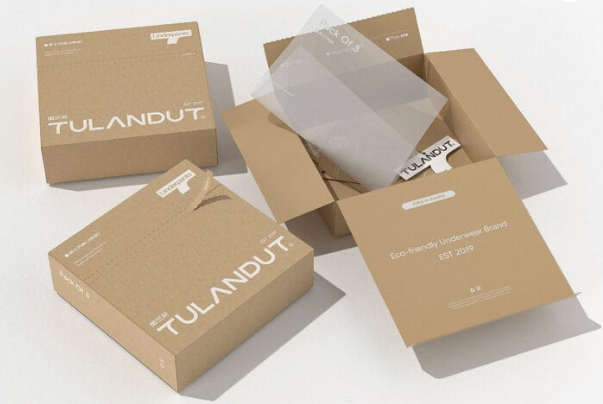
Appearance Design is Important, but Structural Function Cannot Be Ignored
In clothing box design, many companies overemphasize aesthetics while neglecting the rationality of the box’s structure. Packaging boxes should not only look good but also protect clothing and facilitate transportation. A reasonable structural design ensures that the box is not easily deformed during use, improving the overall experience. Common misconceptions include:
- The box is too shallow, making clothing easily squeezed and deformed.
- The box is too large, increasing transportation and storage costs.
- The spatial layout for folding or displaying clothing is not considered.
Understanding the balance between structure and appearance is fundamental to high-quality clothing boxes.
Material Selection Does Not Match the Clothing’s Positioning
The material directly affects the texture and load-bearing capacity of the clothing box. Choosing unsuitable materials can lead to poor printing results or a bad user experience. Companies often overlook the matching of materials with brand positioning during customization, resulting in a decline in the quality of the finished product. Common issues to be aware of include:
- Using thick cardboard for low-end clothing, increasing costs
- Using thin paper for high-end clothing, lacking texture
- Ignoring the impact of cardboard weight on load-bearing capacity and feel
Mastering printing knowledge regarding material selection can make packaging boxes both beautiful and practical.
Common Misconceptions in Printing Color Control
Color deviation is the most easily underestimated problem in clothing box printing. Many companies ignore the difference between screen display and actual printed colors, only to find that the colors deviate from the design draft after mass production. For beginners and companies, printing color control is essential knowledge. Common misconceptions include:
- Insufficient proofing confirmation
- Lack of understanding of ink color management
- Lack of calibration between screen and printed colors
Through scientific color management, printed clothing boxes can maintain the expected brand effect.
Excessive Process Layering Affects the Finish
Some companies believe that using hot stamping, embossing, and UV coating simultaneously can improve the feel and visual effect, but this may actually have the opposite effect. Too many processes on the packaging box can make it look cluttered, increasing production difficulty and cost. Common misconceptions to be aware of include:
- Excessive layering of processes leads to overall disharmony
- Conflicting positions of hot stamping and embossing affect the aesthetics of the finished product
- Ignoring the unity of process and design style
Appropriate use of processes can improve the texture, but excessive layering is not advisable.
Differences Between Mass Production and Samples
A good design in the sample stage does not necessarily mean that mass production will be equally stable. Printing documents, paper characteristics, and process precision will affect the mass production effect. Common problems include:
- Inconsistent color difference or alignment accuracy
- Uneven surface treatment, affecting the overall texture
- Large differences between the finished product and the sample in mass production
Fully understanding the characteristics of mass production is an important aspect of ensuring printing quality.
Neglecting Logistics and Transportation Factors
Clothing boxes need to go through transportation and warehousing. If logistics factors are ignored, the packaging effect may be compromised. Common pitfalls to be aware of include:
- Insufficient box strength, easily deformed
- Inadequate surface finish, resulting in scratches during transportation
- Unreasonable size design, increasing logistics costs
Combining design and printing knowledge with transportation requirements can ensure the finished product is presented intact.
Inadequate Document Preparation and Proofing
Printing documents are the foundation of garment box production; incorrect documents directly affect the finished product. Common pitfalls for companies include:
- Insufficient resolution, resulting in blurry patterns
- Unreasonable bleed settings, leading to cutting deviations
- Fonts not converted to curves, resulting in printing replacements
Sufficient proofing and document inspection are crucial steps to ensure printing quality.
Garment box packaging printing knowledge involves multiple aspects, including structure, materials, colors, processes, documents, and mass production. If companies can avoid the above pitfalls, the designed and produced packaging boxes will not only be aesthetically pleasing and high-end but will also enhance brand image and user experience. Understanding and applying this printing knowledge is key to producing high-quality garment boxes.

