
Common Mistakes in Food Packaging Box Printing

Food packaging boxes not only provide protection and support, but also directly impact product image and consumer trust. In the actual printing and production process, neglecting details or making inappropriate choices can easily lead to various problems, affecting not only appearance but also potential safety hazards. Understanding common mistakes and avoiding them in advance helps improve packaging quality and market competitiveness.
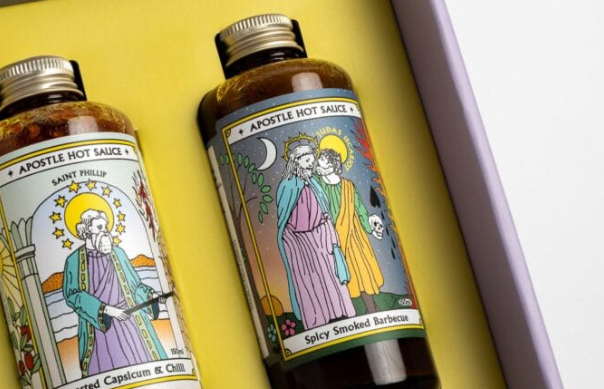
Problems Caused by Inappropriate Material Selection
Food packaging boxes have high material requirements; different food types require different paper materials. Choosing overly thin cardboard can easily cause deformation during transportation; choosing highly absorbent materials may result in oil seepage. Some companies, in an effort to reduce costs, neglect material performance, leading to decreased packaging durability. Appropriately selecting high-density, highly adaptable paper materials is a crucial foundation for ensuring packaging quality.
Color Deviation Affects Visual Effects
Unstable color control is a common problem during printing. Differences between the design and the actual printed color can affect brand image. For example, colors that are too dark or too bright can reduce packaging appeal. This is often related to ink mixing ratios, equipment calibration, and paper absorbency. Standardized color management processes can effectively reduce deviations.
Risks Arising from Improper Ink Use
Ink in food packaging not only affects printing quality but also safety. Using substandard inks may pose a risk of harmful substance migration. Insufficient ink adhesion can also cause patterns to peel off or contaminate food. Correctly selecting environmentally friendly, low-migration inks and strictly controlling usage are key to avoiding these problems.
Common Printing Errors
In actual production, several printing problems frequently occur and can be categorized as follows:
- Misregistration: Pattern misalignment affects the overall visual effect.
- Uneven ink color: Inconsistent color depth in certain areas affects aesthetics.
- Blurry printing: Unclear details lower product quality.
- Color fading or ink stripping: Pattern peeling during use affects the user experience.
These problems are usually related to equipment status, operating procedures, and material quality, and require careful control during production.
Inconvenience Caused by Unreasonable Structural Design
Packaging boxes not only need to be aesthetically pleasing but also require a good structural design. If the opening and closing mechanism is not smooth, the load-bearing capacity is insufficient, or the dimensions are mismatched, it will affect the user experience. Some designs are overly complex, increasing production difficulty and making deviations more likely during processing. Simplifying the structure while ensuring practicality can reduce problems.
Inadequate Post-Processing
After printing, post-processing such as lamination, varnishing, and creasing are required. Improper handling will affect packaging performance. For example, uneven lamination can lead to bubbling or delamination, and insufficient varnishing will reduce surface abrasion resistance. Each process requires strict control to ensure consistent finished product quality.
Neglecting Environmental and Storage Conditions
After production, if the storage environment has excessively high humidity or unstable temperature, it can easily cause paper deformation or affect the ink. Insufficient protection during transportation can also cause dents or damage. Maintaining a dry, well-ventilated storage environment and providing proper transportation protection can extend the lifespan of the packaging.
Inadequate Quality Inspection
Some companies lack systematic post-production inspection, leading to defective products entering the market. Testing should be conducted on printing quality, ink adhesion, and oil and moisture resistance to ensure compliance with standards. Establishing a comprehensive quality control system can effectively reduce risks and improve product stability.
Food packaging box printing involves multiple stages, including materials, processes, design, and management. Problems in any detail can affect the final result. By identifying common errors and implementing targeted optimizations, packaging quality can be improved, unnecessary losses reduced, and the product’s market competitiveness enhanced.

