
Common Terminology in Packaging Design

For those new to packaging design, the industry is often rife with technical jargon, such as structural development diagrams, die-cutting lines, spot color printing, lamination processes, grammage, and window design. These terms, while seemingly simple, encompass multiple aspects including material selection, printing production, structural processes, and visual presentation. A lack of understanding of these fundamental concepts can easily lead to misunderstandings in communication, resulting in discrepancies between the design and the production outcome, and even increased costs and rework.
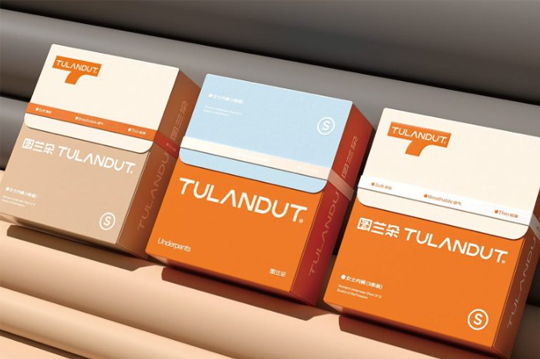
From a design process perspective, packaging design is not simply drawing; it’s a comprehensive undertaking involving planning, creativity, prototyping, production, printing, and post-processing. Each stage has its corresponding professional terminology. For example, designers need to clarify bleed dimensions and color schemes when communicating with printing plants, discuss die-cutting and fold lines when collaborating with structural engineers, and address the main visual and brand tone when working with the brand. Terminology itself serves as the “common language” of industry communication.
Basic Design Concepts
These terms primarily relate to visual presentation and are the most frequently encountered content during the design phase.
Key Visual: The most central and attention-grabbing element on the packaging, typically the brand logo, product name, or core graphic. It determines what consumers see first.
Layout: The arrangement of text and graphics on the packaging, including alignment, spacing, and hierarchy. A well-structured layout enhances readability.
Supporting Graphics: Small elements used to enrich the visual appeal and reinforce the style, such as patterns, illustrations, or background designs. They are not the main element but enhance the overall aesthetic.
Size and Structure
This section relates to the physical form and actual dimensions of the packaging.
Unfolded Drawing: A flat drawing showing the unfolded packaging. It’s the foundational document for die-cutting and printing.
Die-cutting Lines: Lines marking cutting and folding positions, used to guide die-cutting. Solid lines are often cut lines, while dashed lines are often fold lines.
Finished Size: The actual size of the finished packaging. This differs from the design dimensions and usually requires deduction for folds and bleed.
III. Printing Production: Printing-related terminology directly impacts the final product quality. CMYK: The four basic color modes used in printing: cyan, magenta, yellow, and black. Design files are usually converted to this mode.
Spot Color: Specially mixed colors used to improve color accuracy or achieve special effects, such as brand standard colors or gold and silver tones.
Overprinting: The process of printing multiple colors overlay, requiring precise alignment to avoid discrepancies.
Materials
Different materials offer different textures and costs.
Basis Weight: The weight of paper per square meter, an important indicator of thickness and stiffness. Higher basis weight means thicker paper.
Corrugated Paper: Cardboard with a corrugated structure in the middle, strong in compression, often used for transport packaging.
Composite Materials: Composed of multiple layers of materials, such as plastic with aluminum foil, providing moisture resistance and oxidation resistance.
Finishing Effects
Finishing techniques are important ways to add depth and dimension to packaging.
Lamination: Covering the printed surface with a thin film, which can be glossy or matte, used for protection and enhancing texture.
Hot stamping: Transferring metallic foil onto paper using heat to create a metallic sheen; often used for brand logos.
Embossing: Creating raised areas of a design to enhance tactile experience and visual appeal.
Information Specifications
This section relates to the accuracy of information presentation.
Barcode: The identification code for a product in a sales system; an essential element for retail.
Net content: The actual weight or volume of the product, which must be labeled according to regulations.
Warnings: Text reminding consumers of safety or usage restrictions; commonly found on food, pharmaceutical, or cosmetic packaging.
Prototyping and Testing
Sample confirmation is usually required before mass production.
Prototyping: Making a small batch of samples to check if the color, structure, and material meet expectations.
White sample: An unprinted structural sample, used only to test the box shape and size.
Color sample: Primarily tests the printing color effect to ensure consistency with the design draft.
The terminology in packaging design covers the entire process from creative conception to production implementation; each term corresponds to a specific operational or technical step. Familiarity with these technical terms not only improves design efficiency but also reduces communication errors, facilitating smoother project progress. Especially when collaborating with printing plants, suppliers, or clients, clear and accurate terminology allows for more direct expression of issues and faster decision-making, preventing increased costs or wasted time due to misunderstandings. For learners, terminology is not an obscure professional barrier but rather a set of tools to help understand industry logic. Through repeated exposure and application in practice, a systematic understanding can gradually be formed. Only when design thinking is combined with production knowledge can packaging solutions truly be implemented and achieve the desired results.

