
Cosmetic Packaging Design Trends and Techniques

In the cosmetics industry, packaging design has always played a crucial role. Unlike many products that emphasize functionality, cosmetics inherently possess strong emotional and aesthetic attributes. Consumers, when purchasing, not only focus on efficacy but also on the visual experience, brand image, and the ritualistic aspect of use. In many cases, consumers make a purchase decision based solely on their first impression of the packaging, even before trying the product. Therefore, packaging has become a significant driver of cosmetic sales and a vital tool for brand image building.
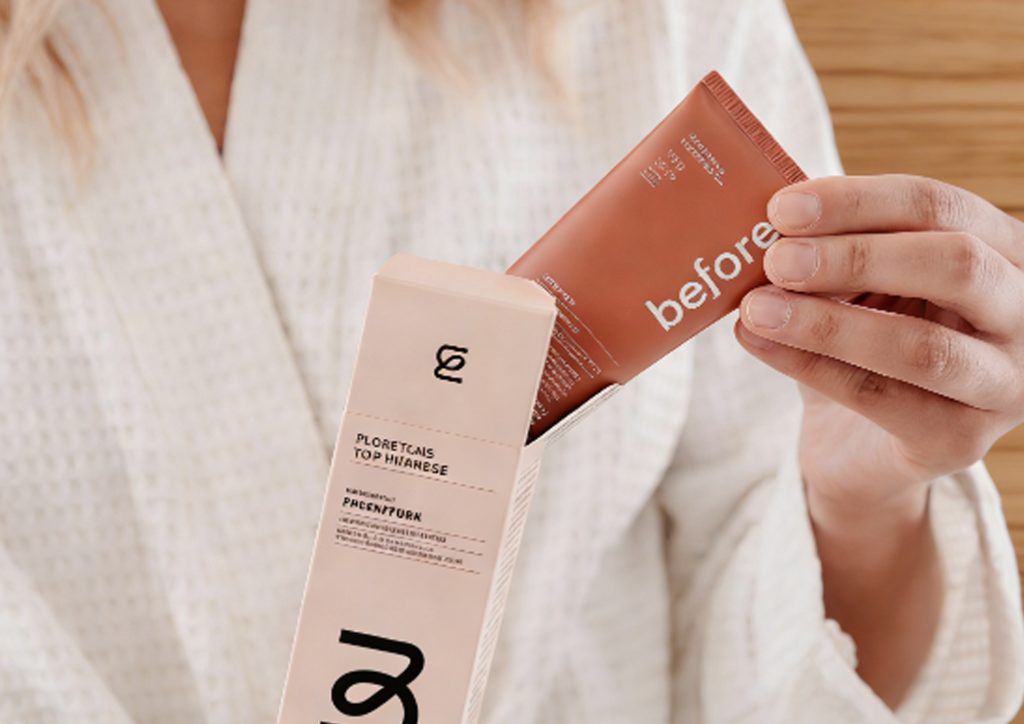
With increasingly fierce market competition and the continuous segmentation of cosmetic categories—from skincare to makeup, from high-end luxury to affordable everyday wear, from the women’s market to the men’s and sensitive skin groups—each segment presents new demands for packaging. Changing consumer aesthetics, growing environmental awareness, and the reshaping of online sales channels all contribute to the continuous upgrading of cosmetic packaging design. Designers must not only keep up with trends but also master practical skills to create packaging that is both aesthetically pleasing and commercially valuable.
Minimalist Style
Currently, cosmetic packaging is increasingly trending towards simplicity. Reducing complex patterns and excessive decoration, while retaining core information and basic color blocks, makes products appear clean and professional. A minimalist style more easily conveys a sense of safety, rationality, and high quality, especially suitable for skincare products. Controlling the number of elements in the design, replacing clutter with white space and a sense of order, is key to achieving a minimalist effect.
Pursuing Natural and Environmentally Friendly Designs
Environmental awareness influences consumer choices. More and more brands are adopting recyclable paper, glass bottles, biodegradable plastics, and replaceable core structures to reduce waste. The natural texture of the materials themselves can also convey a sense of health and safety. Design should not only focus on appearance but also consider the source of materials and post-processing methods.
Color Strategy
Color is particularly important in the cosmetics industry. Soft, muted colors are often used in skincare products, giving a sense of comfort; highly saturated colors are more common in makeup lines, emphasizing vitality and individuality. A fixed main color scheme can create brand recognition. Maintaining color consistency within a series helps create a unified visual impact on the shelf.
Typography
Cosmetic packaging emphasizes sophistication and trustworthiness. Typography should be clear, delicate, and concise, avoiding excessive ornamentation. Overly ornate fonts can easily appear cheap, while simple typography conveys a more sophisticated feel. Using font size hierarchy to differentiate brand names, product names, and efficacy descriptions makes the information more organized.
Tactile Experience
Packaging is not only a visual product but also a tactile one. Frosted bottles, soft-touch coatings, metallic textures, or embossed paper all offer different tactile experiences. A pleasant tactile feel evokes a sense of quality in consumers, increasing satisfaction. Appropriate use of techniques like hot stamping and embossing can enhance the overall refinement.
Enhancing Practical Functionality
Cosmetics emphasize convenience and hygiene. The design of features such as pump dispensers, dropper bottles, twist-up lipsticks, and magnetic closures directly impacts the user experience. A good design reduces waste and makes the product more portable. When designing the appearance, the smoothness of actual operation should be fully considered.
Building a Brand System
Brands often have multiple product lines. Using a unified layout, graphic style, and packaging language allows different products to maintain a consistent image. Consumers can associate one product with the entire brand. A unified system has greater long-term value than a single highlight.
Adapting to Online Display
E-commerce channels have changed how packaging is presented. Many consumers learn about products through mobile phone screens, so packaging needs to remain clear even in small images. Large blocks of color, concise text, and a clear focus are more suitable for online dissemination. The design should consider thumbnail effects, not just physical displays.
Cosmetic packaging design is influenced by both aesthetic trends and practical usage needs. A minimalist style makes the image more sophisticated, natural materials respond to environmental protection concepts, appropriate colors and fonts establish brand recognition, and tactile feel and structure enhance the real-world experience. Every detail influences consumers’ judgment of the product. Only by combining visual expression, functional design, and brand positioning can packaging truly realize its value. In practice, designers should avoid pursuing only superficial effects and instead consider how to make the product easier to identify, understand, and use from the consumer’s perspective. Through systematic planning and meticulous processing, cosmetic packaging can not only showcase aesthetics but also become an important part of brand competitiveness, establishing a clear and stable image in the market.

