
Creative Packaging Box Design Techniques Combining Text and Images

In today’s highly competitive market, simple text or images are no longer sufficient to meet consumers’ aesthetic needs. Packaging box designs combining text and images are gradually becoming an important way for brands to enhance their appeal. By appropriately combining images and text, not only can visual impact be enhanced, but product information can also be conveyed more clearly. When browsing products, consumers are often more easily attracted by intuitive visuals, while quickly understanding product features through concise text. Therefore, combining text and images is not only a design form but also an efficient communication method. In design, combining text and images requires balancing aesthetics and functionality. Images are responsible for attracting attention and establishing emotional connections, while text serves to explain and reinforce memory. If the two are properly combined, the packaging can complete the process of “attracting—understanding—remembering” in a short time. Conversely, if the text and images are chaotic or lack hierarchy, not only will the key points not be highlighted, but it may also confuse consumers. Therefore, mastering the techniques of combining text and images is a crucial aspect of improving the quality of packaging design.
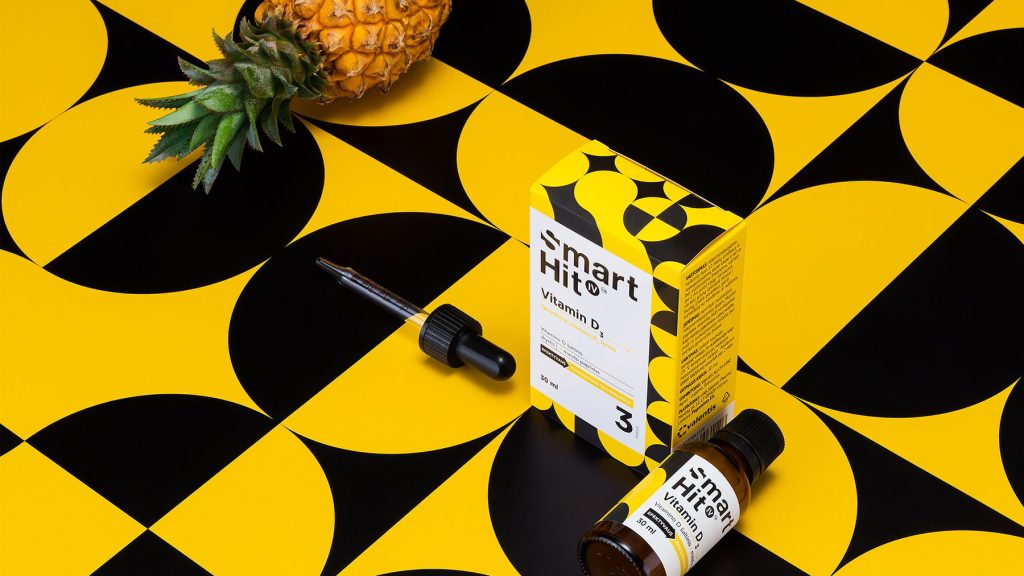
Core Design Methods of Combining Text and Images
· Emphasize the Main Image, Use Text for Supplementary Explanation
In the design, the main visual image should be determined first, making it the first visual focus. 1. Main Image: This can be a real product photo, illustration, or scene image to attract consumer attention. The text should revolve around the main image, briefly explaining the product’s functions or selling points, avoiding excessive information that could overwhelm the eye.
· Clear Hierarchy of Text and Images to Avoid Information Confusion
The key to combining text and images lies in hierarchy. There needs to be a clear primary and secondary relationship between the title, explanatory text, and image. For example, the main title can be placed in the visual center, with subtitles and explanatory text arranged sequentially, allowing consumers to read in order and improving information delivery efficiency.
· Style Consistency for Enhanced Overall Impression
The style of the images and text must be consistent. If the image is cartoonish, the text should also be light and lively; if the image is sophisticated and minimalist, the text should be concise and textured. A consistent style makes the packaging look more professional and makes it easier to establish a brand impression.
· Utilize White Space to Enhance Visual Impact
Appropriate white space can make the text and images stand out more, avoiding an overly crowded design. White space is not only an aesthetic technique but also helps consumers easily grasp information, making key content clearer.
· Creative Expression Based on Product Characteristics
The text and image content should revolve around the product’s attributes. For example, food packaging can use ingredient images paired with simple descriptions to enhance the sense of freshness; technology products can use line drawings combined with functional text to reflect professionalism.
The Difference Between Text-Image Combinations and Sole Designs
In packaging design, using only text, while providing complete information, lacks visual appeal and struggles to capture the consumer’s attention immediately. Conversely, using only images, while aesthetically pleasing, may not allow consumers to quickly understand the product’s function. In contrast, combining text and images leverages the advantages of both. For instance, a snack package with only text descriptions might not appeal to consumers; however, adding enticing food images along with simple flavor descriptions significantly increases its appeal. Similarly, in high-end products, images without text descriptions may make it difficult for consumers to assess the product’s value; adding concise text can enhance trust. This comparison demonstrates that combining text and images not only improves visual appeal but also optimizes information delivery, making the packaging more competitive.
Frequently Asked Questions
Q: How should the ratio of text to images be allocated?
A: Generally, it is recommended to prioritize images and supplement with text. Images attract attention, while text provides supplementary information. The ratio can be flexibly adjusted according to the product type.
Q: Will text-image design affect the reading experience?
A: If the layout is reasonable, it won’t hinder reading; in fact, it can improve it. The key is to maintain clear hierarchy and visual flow.
Q: Is it necessary to put many pictures on the packaging?
A: No. Too many pictures will make the design look cluttered. Choosing one or two key images is more conducive to creating a visual focus.
Making Text and Images More Expressive
In text-image combined design, attention to detail is equally important. For example, the spacing between text and images, alignment, and font selection will all affect the overall effect. Appropriate use of icons, borders, or partial decorations can enhance the connection between text and images, making the design more vivid and natural. Optimizing details not only improves aesthetics but also makes information expression more precise.
Creative packaging box designs that combine text and images are an important way to connect visual appeal and information delivery. By reasonably matching images and text, consumers can understand product features in a short time and enhance brand recall. A successful text-image design should not only be attractive but also logical, making the information expressed clearly and naturally. During the design process, emphasis should be placed on highlighting the main image, concise text, clear hierarchy, and a unified style, ensuring a good synergy between the text and images. Simultaneously, through comparative analysis and user feedback, the design can be continuously optimized to better meet market demands. Optimization of details, such as white space, layout, and element matching, can further enhance the overall effect. The combination of text and images is not only a visual expression but also an efficient communication tool. It can achieve a balance between information and aesthetics within limited packaging space, allowing the product to stand out from the competition. Through careful design, text and images can jointly construct a complete product image, generating consumer interest at first glance and building trust after understanding the product. Such packaging design not only enhances product value but also strengthens the brand’s overall competitiveness, making packaging a truly important carrier of product expression.

