
Creative Thinking and Presentation Techniques in Packaging Design

In today’s market environment where products are highly homogenized, relying solely on product function is no longer sufficient to create significant differentiation. Whether it’s food, daily necessities, or cultural and creative products, consumers often rely on packaging appearance to quickly make choices when faced with a dazzling array of products. At this point, packaging is no longer just a protective shell for the product, but a crucial tool for brands to convey value, attract attention, and establish emotional connections. It can be said that creative packaging is often more direct and effective than advertising; it can grab attention within seconds and even change a consumer’s purchasing decision.
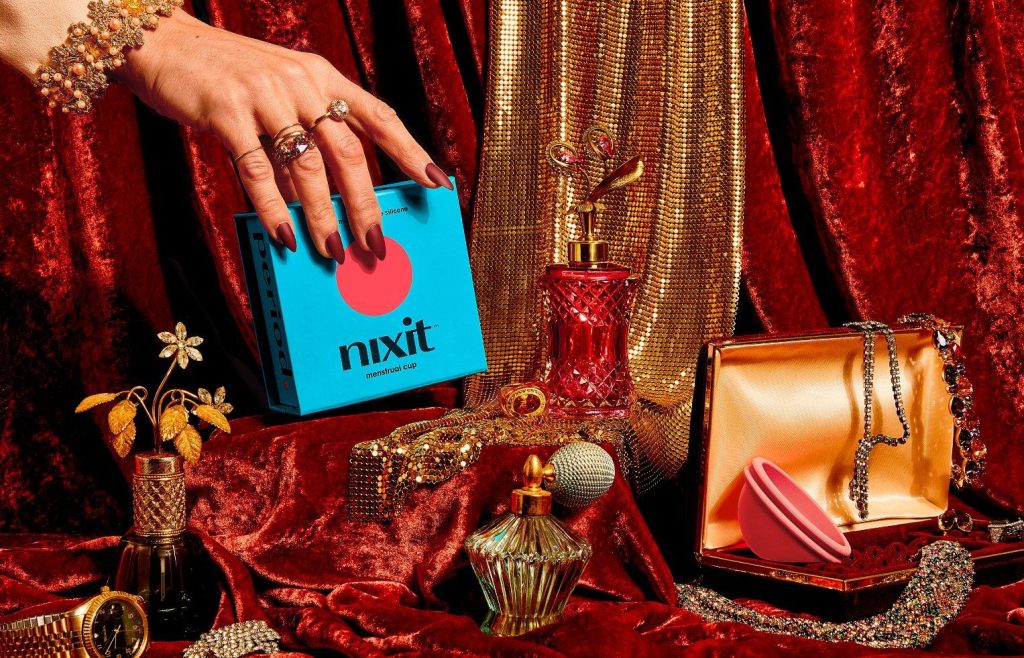
However, creativity is not synonymous with complexity or exaggeration. Truly excellent packaging design, based on an understanding of product attributes, user needs, and market positioning, uses clever concepts and appropriate presentation methods to give ordinary materials and structures a sense of novelty and memorability. Creativity is a way of thinking, while presentation techniques are the means of implementation. Only through their cooperation can a design be both conceptual and practical. If there is only formal variation without logical support, it easily becomes superficial; if there is only function without expression, it will be difficult to attract attention.
How to break out of conventional thinking?
Change your thinking first, then change the form. Many designs lack originality because their thinking remains stuck in traditional patterns. For example, boxes are always square, labels are always on the front, and images are always centered. These habits easily limit creativity. Try changing the opening method, breaking symmetrical structures, rearranging the layout, and introducing cross-disciplinary inspiration. When thinking is no longer bound by fixed rules, the design naturally feels fresher. The first step to creativity is breaking free from “taken-for-granted” notions.
Learn to tell a story with visuals
Let graphics replace text. Visual information is easier to remember than text, so packaging should use more graphic language. For example, illustrations, symbols, cartoon characters, and photographs can all enhance impact.
Effective methods include:
Using illustrations to show the product’s origin
Using symbols to highlight functional features
Using patterns to create an emotional atmosphere
Graphics allow consumers to quickly understand the product while increasing its appeal. Being able to understand is more important than reading a lot.
Color Usage
Color is the most direct emotional tool. Different colors evoke different psychological reactions: red is passionate and energetic, blue is rational and professional, green is natural and healthy, and yellow is bright and cheerful. A reasonable combination of primary and secondary colors can strengthen brand personality. Limit the use of colors; two or three are sufficient. Too many colors can easily create a cluttered look. Simplicity and uniformity often convey a more sophisticated feel.
How to Make Packaging “Dynamic”
Packaging is not just a two-dimensional design, but also a three-dimensional one.
Structural innovation can create a surprising experience. For example:
① Special folding methods
② Drawer-style opening
③ Reusable box design
④ Multifunctional combination structure
⑤ Can be disassembled into a display shelf.
These designs increase interactivity and fun, creating memorable moments for consumers as they open the packaging. A good structure encourages people to keep the packaging rather than discard it.
Material Variation
Beyond the visual, there is also the tactile experience. Different materials offer different experiences: kraft paper is natural and simple; metal is cool and sophisticated; fabric is warm and soft; transparent materials are clean and pure. Through material combinations or surface treatments such as embossing, matte finish, hot stamping, and relief, a sense of depth can be enhanced. Tactile experiences are often more authentic than visual ones and leave a stronger impression.
Typography Techniques
Typography determines tone. The same sentence can evoke different feelings with different fonts. Rounded fonts are approachable and cute, thin fonts appear refined and elegant, and bold fonts emphasize a sense of power. Design highlights: eye-catching titles, clear hierarchy, reasonable spacing, and consistent style. Fonts are not decorations, but part of the brand image. A suitable font can enhance professionalism, while an unsuitable one can ruin the overall effect.
Details Matter
The true measure of design quality often lies in the details. For example: are the corners rounded? Is the opening and closing smooth? Is the printing accurate? Are the labels neat? Is the information clear? These small details may seem insignificant, but they directly affect the user experience. Meticulous handling makes packaging feel more premium and easier to trust. Attention to detail naturally elevates the overall design.
Successful packaging design does not rely on a single element, but is a comprehensive reflection of creative thinking and presentation skills. Creative thinking helps designers discover new angles and possibilities, allowing products to transcend mediocrity; presentation skills ensure that these ideas are accurately presented and truly serve use and dissemination. From graphics to color, from structure to materials, from typography to details, every element works together to construct a complete experience. When the concept is reasonable, the expression is clear, and the product is easy to use, packaging becomes more than just a container; it becomes a bridge of communication between the brand and consumers. Truly compelling designs are often natural, restrained, and ingenious. Only by understanding product characteristics and market demands, and combining creativity with skill, can one create packaging that is both aesthetically pleasing and functional, memorable and practical. Such packaging possesses lasting appeal and persuasiveness.

