
Detailed Explanation of Common Materials and Printing Knowledge for Garment Boxes

Garment boxes are not only tools for protecting clothing, but also important carriers of brand image and visual experience. High-quality garment boxes can not only enhance the grade of clothing, but also enhance the consumer’s purchasing experience. When customizing garment boxes, material selection, printing technology, and design structure all directly affect the finished product. Understanding the characteristics of commonly used materials and printing knowledge helps companies create packaging that is both beautiful and durable.
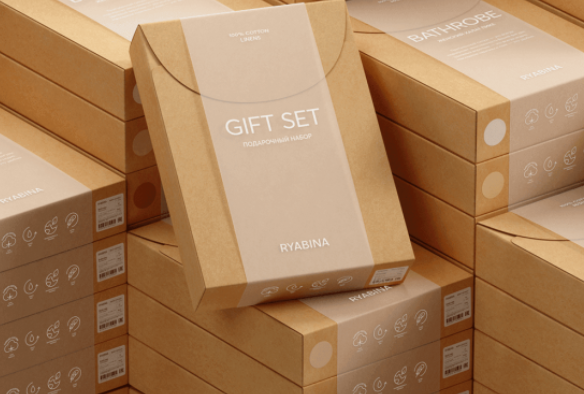
Paper Materials and Applications
Paper materials are the most commonly used materials for garment boxes, characterized by their lightweight, environmental friendliness, and strong printability. Different types of paper are suitable for garment boxes of different grades and uses.
- White Cardboard: Delicate texture, high flatness, clear printing, suitable for mid-to-high-end brands. White cardboard is often used for inner boxes or gift boxes, showcasing brand logos and graphic details.
- Grey Board: High hardness, strong load-bearing capacity, mostly used for outer boxes or packaging that requires clothing protection. Grey board is suitable for heavy coats or high-end suit boxes, ensuring stability during transportation.
- Coated Paper: Smooth surface, high color fidelity, suitable for printing color patterns and brand graphics. Coated paper is particularly suitable for printing fashion patterns, promotional copy, and brand promotional information.
When choosing paper materials, it is necessary to consider the type of clothing, packaging grade, and printing process to ensure that the box’s texture and design style are consistent.
Special Material Selection
High-end clothing boxes often use special materials to enhance their perceived quality.
- Art Paper: Rich texture and unique feel, adding a high-end tactile experience. Suitable for limited editions or customized gift boxes, making the product visually and tactilely distinctive.
- Leather Paper or PU Paper: Soft surface, simulating the feel of genuine leather, suitable for high-end brand gift boxes or brand collaborations. Leather paper can also be combined with hot stamping or embossing techniques to increase the sense of luxury.
- Transparent PVC Material: Used for display window designs, allowing consumers to directly see the clothing inside the box, enhancing visual impact and purchasing desire.
When using special materials, attention must be paid to ink adhesion, abrasion resistance, and bending performance to ensure the box maintains high quality during transportation and display.
Printing Process and Precautions
The printing process directly affects the texture and brand effect of the garment box. Commonly used processes for high-end garment boxes include:
- Offset Printing:Suitable for mass production, with stable colors and relatively economical pricing. Offset printing is suitable for printing large areas of color blocks or brand promotional patterns.
- Gravure Printing:High color saturation, suitable for high-precision patterns and detail presentation, capable of showcasing the texture of high-end garment boxes.
- Hot Stamping (Gold/Silver):Adds a sense of luxury, often used for brand logos or special design patterns, enhancing visual depth.
- Embossing or Partial UV Coating: Enhances three-dimensional texture, highlights brand elements, and makes the box more attractive when displayed.
A reasonable combination of processes can improve brand image and grade while maintaining production efficiency and cost control.
Sampling and Mass Production
High-quality garment boxes require thorough sampling before mass production. Proofing verifies material compatibility, printing colors, and process effects, preventing problems during mass production. When proofing, pay attention to:
- Whether the file resolution is high enough
- Whether the bleed area is set reasonably
- Whether the font has been converted to outlines to prevent replacement.
Through proofing and adjustments, it can be ensured that colors, processes, and structures remain consistent during mass production, improving the finished product qualification rate.
Logistics and Usage Considerations
Clothing boxes are not only for display but also need to undergo transportation and storage. If the paper material is not strong enough or the surface process is not wear-resistant, scratches, dents, or deformations are easily caused during transportation. Choosing cardboard of appropriate thickness, adding reinforcement design, and using wear-resistant printing processes can ensure that the packaging remains intact during circulation, enhancing consumer experience and brand image.
Mastering the commonly used materials and printing knowledge for clothing boxes is the foundation for producing high-end, durable clothing boxes. By rationally selecting paper or special materials, scientifically matching printing processes, fully proofing and verifying, and considering logistics and usage factors, companies can produce clothing boxes that are both beautiful and durable, enhancing brand value and consumer satisfaction.

