
Detailed Explanation of Pet Packaging Box Printing

The pet industry offers a wide variety of products, from pet food and supplies to grooming products, all requiring high standards for packaging design and printing quality. Pet packaging boxes not only protect the product and convey information but also influence brand recognition and in-store display effectiveness. Understanding pet packaging box printing helps improve packaging performance during design, material selection, and production, making products more attractive in a competitive environment.
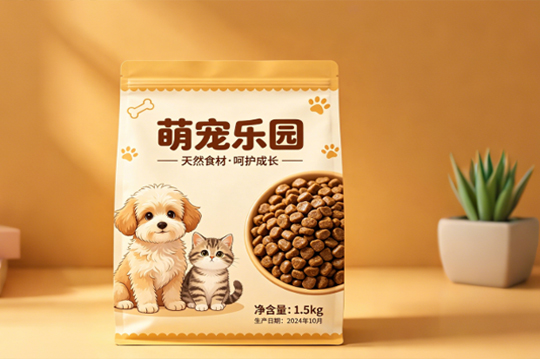
Packaging Paper Material Selection Affects Structure and Display Effect
Common materials for pet packaging boxes include cardboard, grey board laminate, and functional composite paper materials. Different paper materials vary significantly in stiffness, pressure resistance, and surface finish. For pet food products, packaging often needs to balance load-bearing capacity and display effectiveness; therefore, paper material selection affects not only structural stability but also print quality. Materials with high paper surface flatness are generally better for clear text and graphics, while high-stiffness materials are more suitable for packaging designs that require maintaining box stability. Appropriate paper material selection helps improve the overall quality of the packaging.
Printing Process Determines Packaging Visual Appeal
Pet packaging boxes face fierce competition on retail shelves, and visual appeal directly impacts consumer attention; therefore, printing quality is crucial. Color reproduction, text clarity, and detail all affect brand communication. Basic printing completes the main graphic presentation, while localized processing is often used to emphasize key visual elements. Appropriate additions such as hot stamping, embossing, or partial glossy finishes help enhance packaging recognizability and make the product more attractive in displays.
Packaging Structural Design Affects User Experience
Pet packaging is not only an aesthetic carrier but also relates to transportation, the opening experience, and ease of use. A well-designed structure enhances packaging functionality and improves the product’s user experience.
- Interlocking structure facilitates assembly and opening.
- Top and bottom lid design enhances the gift box’s texture.
- Drawer-style structure enhances the opening experience.
- Lining design helps protect the product.
- Window design improves the intuitiveness of the display.
A coordinated structure and printing generally better reflect the packaging’s value.
Information Layout Affects Brand Expression and Recognition
Pet packaging boxes typically need to carry a lot of information, such as product name, specifications, usage instructions, and brand elements. If the layout logic is chaotic, even high-quality printing can negatively impact information delivery. A logical information hierarchy allows consumers to quickly identify key content and enhances brand recognition. The placement of the brand logo, image proportions, and the use of white space for text all affect the overall visual balance. Proper layout design often makes packaging look more professional.
Printing Quality Control Affects Final Product Stability
Printing quality control is equally important in the production of pet packaging boxes. Color differences, registration misalignment, uneven surface treatment, or die-cutting errors can all affect the final product’s appearance. Even with a perfect design, insufficient production control can weaken the packaging’s effect. By focusing on printing precision, material consistency, and process execution stability, it’s easier to ensure finished product quality. For pet brands, packaging is not only an external presentation but also part of the perception of product quality; high-qality printing often contributes to improved market performance.

