
Does high-contrast packaging design attract more clicks in e-commerce?

In an e-commerce environment, the primary goal of packaging design is usually not “being visually appealing,” but “being clicked.” When users browse product listings, their attention span is extremely short, so visual impact becomes one of the key factors determining click-through rates. High-contrast packaging design—through color contrast, light-dark variation, or graphic conflict—can quickly capture user attention within a short time, thereby increasing the likelihood of clicks.However, stronger contrast is not always better. It must be used in combination with product category and brand positioning. When applied properly, it can significantly improve exposure and clicks; but when overused, it may cause visual fatigue or brand inconsistency.
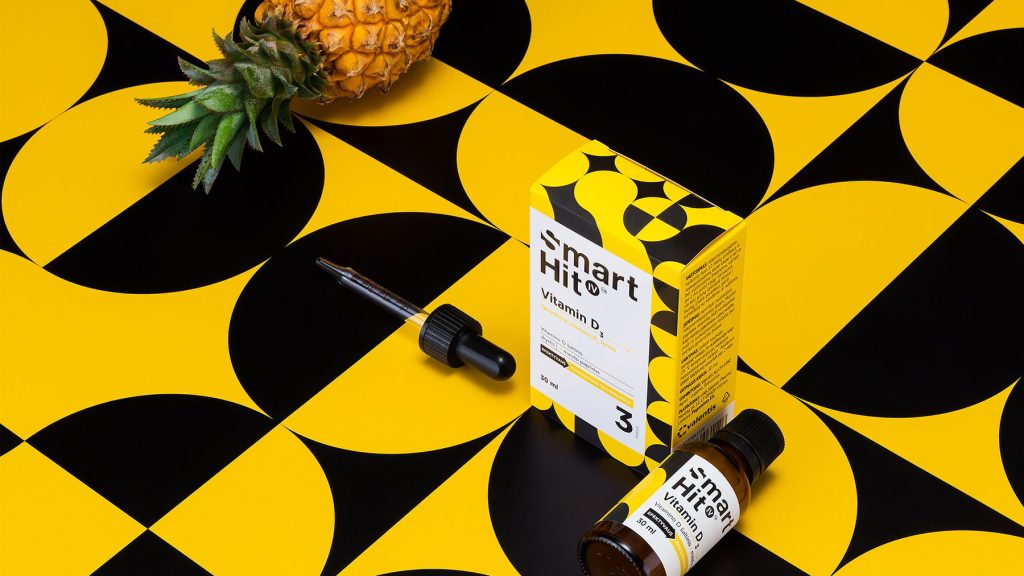
Main roles of high contrast in e-commerce packaging
In e-commerce environments, user browsing behavior is characterized by “rapid scanning,” and average viewing time is extremely short. Therefore, the core value of high-contrast design is not only aesthetics, but also quickly capturing information and stimulating interest through visual stimulation within a very short time. It establishes a visual focus through differences in color, brightness, typography, and graphics, thereby influencing whether users click into the product detail page.
Specific functions:
Improving visual capture speed
The biggest advantage of high-contrast design is that it is “seen quickly.” When there are obvious light-dark differences or color conflicts in an image, the brain prioritizes the most eye-catching area, allowing users to recognize it in 0.5 seconds or even less.
Enhancing thumbnail performance
In e-commerce platforms, most users first see thumbnails rather than full product pages. In small-sized visuals, details are often compressed or lost, so high contrast becomes an important way to enhance visual performance. By strengthening light-dark differences, color contrast, or font weight contrast, the main product can remain clearly recognizable even in thumbnails.
Increasing information readability
E-commerce packaging must not only attract attention but also help users quickly understand information. High-contrast design helps establish a clear information hierarchy—for example, using a dark background to highlight the brand name, bright colors to emphasize promotional content, and font weight differences to distinguish primary and secondary information.
Increasing click impulse
High contrast affects not only “visibility” but also “click behavior.” Strong visual stimulation can quickly trigger attention and emotional response, creating the impulse to “learn more.” However, this stimulation must be controlled; otherwise, it may cause visual fatigue or reduce perceived brand quality.
High-contrast effect comparison table:
| Contrast Level | User Reaction | Impact on Clicks |
| High contrast | Strong attention | High click rate |
| Medium contrast | Stable recognition | Moderate clicks |
| Low contrast | Easily ignored | Low clicks |
Advantages of high-contrast design
High-contrast packaging in e-commerce environments is usually more likely to “stand out,” especially on information-dense pages where it can quickly attract attention. Low-contrast designs, while softer and more unified, are easily overlooked in fast-scanning scenarios.For example, in a product listing, if most items use light backgrounds and one uses a black background with white text, that product often becomes the visual focus and achieves a higher click-through rate. However, if all products use high contrast, the differentiation effect decreases and overall performance may drop.
Common questions
Q: Must e-commerce packaging always use high contrast?
A: No, it depends on the product category.
Q: Does high contrast affect brand identity?
A: It may, if not used consistently it can weaken brand tone.
Q: Which products are more suitable for high contrast?
A: Fast-moving consumer goods, promotional items, and highly competitive products.
Packaging effects for different e-commerce products
In food e-commerce, snack products often use high-saturation colors and strong typographic contrast to enhance appeal. In beauty e-commerce, black-white or metallic contrasts are used to emphasize a premium feel. In electronic products, black-gray contrast is commonly used to convey a sense of technology and professionalism.In addition, some best-selling products enhance contrast in main images—for example, a dark background paired with a brightly colored product—making them easier to recognize in thumbnails and improving click conversion rates.
In e-commerce packaging design, strong contrast can indeed improve click-through rates because it captures user attention within a short time and improves visual recognition efficiency. However, this effect depends on conditions and must be balanced with brand tone and product type. Excessive contrast may cause visual fatigue, while insufficient contrast may lead to being ignored.Therefore, contrast design in packaging is not about “the stronger, the better,” but about “whether it suits the product display scenario.” Only when contrast design is aligned with brand style can it truly enhance clicks and conversion performance.

