
Eight Common Packaging Design Styles

In the modern consumer goods market, packaging design is not only a tool for protecting products, but also a crucial means of brand expression, consumer communication, and market competition. Different packaging styles can directly influence consumer perception and purchasing decisions. With the diversification of the market and consumer groups, designers need to choose appropriate design styles based on product positioning, brand image, and target users to achieve optimal visual and marketing effects.
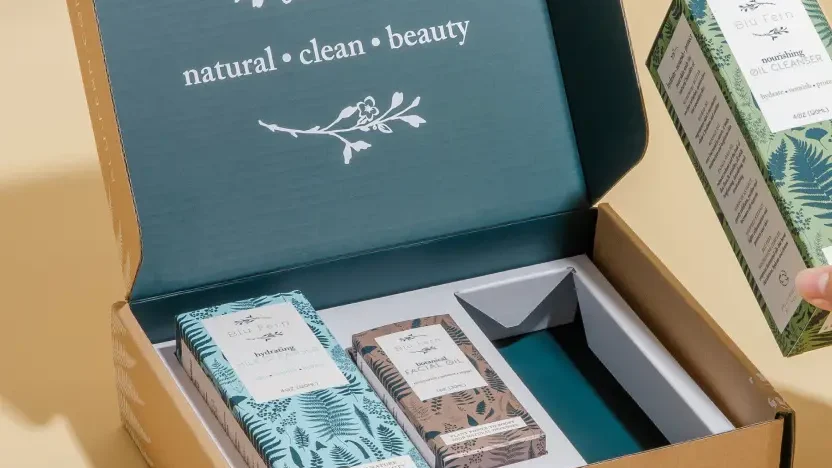
Packaging design style not only determines the visual impact of a product on shelves or online, but also influences the consumer’s psychological experience. Different packaging styles convey different brand temperaments and product attributes. For example, high-end luxury goods are suitable for minimalist and high-quality styles, while young and trendy products are more suitable for lively and fun styles. Choosing the right design style can not only strengthen brand awareness but also capture consumers’ attention immediately, thereby improving sales conversion rates.
Minimalist Style
Minimalist style pursues “less is more,” removing redundant elements and emphasizing core information and visual focus.
Minimalist Color Scheme
Primarily uses monochrome or low-saturation colors.
Clear Lines: Straight lines or geometric shapes, keeping the layout clean.
Concentrated Information: The logo and product name are the visual center.
Minimalist style is suitable for high-end and modern products, highlighting quality and professionalism, allowing consumers to experience elegance and rational beauty in simplicity.
Retro Style
Retro style emphasizes nostalgia and historical texture, evoking emotional resonance through traditional elements.
Classic Color Scheme: Brown, beige, dark red, and other colors with a vintage feel.
Retro Patterns: Floral patterns, badges, or old-fashioned fonts.
Textured Materials: Frosted paper, kraft paper, or special printing processes.
This style is suitable for products such as food, tea, and wine that emphasize historical heritage or cultural depth, fostering trust and nostalgia in consumers.
Modern Technological Style
Modern technological style emphasizes futurism, simplicity, and innovation.
Metallic or High-Saturation Colors: Emphasizes a Technological Feel
Structural Innovation: Streamlined or Irregularly Shaped Designs
Digital Elements: QR Codes, AR, or Smart Tags
Suitable for electronic products, smart devices, or high-tech foods, attracting young consumers who value technology and innovation.
Fun and Creative Style
This style emphasizes interactivity and visual impact, attracting consumers’ attention through unique shapes or illustrations.
Original Illustrations: Cartoons or Fun Graphics
Irregularly Shaped Structures: Increase the Fun of Unboxing
Bright Color Accents: Enhance Visual Impact
This style is suitable for young people or children’s products, enhancing brand affinity and engagement.
Luxury and High-End Style
This style emphasizes high-end texture and visual impact, reflecting product value through materials and craftsmanship.
Premium Materials: Metal, Glass, or Specialty Paper
Exquisite Craftsmanship: Hot Stamping, Embossing, Cutouts
Dark Colors and Metallic Colors: Convey a Sense of Nobility
Suitable for cosmetics, jewelry, wines, and gifts, enhancing brand prestige and consumer purchasing desire.
Natural and Eco-Friendly Style
This style emphasizes ecological and environmental protection concepts, expressing sustainable value through natural elements.
Environmentally Friendly Materials: Recycled paper, biodegradable materials
Natural Colors: Green, brown, beige
Natural Texture and Feel: Rough or wood-like texture
Suitable for food, daily necessities, and lifestyle products, attracting consumers who value environmental protection and health.
Minimalist Chinese Chic Style
This style combines modern design with traditional cultural elements, emphasizing cultural identity.
Modernizing Traditional Elements: Patterns, fonts, or designs
Modern Typography and Colors: A combination of simplicity and vibrancy
Storytelling Packaging: Integrating cultural stories into visual expression. Suitable for tea, snacks, and cultural gifts, sparking interest and identification with traditional culture among young consumers.
Hybrid Crossover Style
This style blends multiple design elements to create a novel and unique visual experience.
Art + Commerce: Drawing inspiration from painting or sculpture
Technology + Trend: Combining innovative materials or interactive functions
Function + Aesthetics: Packaging with both collectible and practical value. This style is suitable for limited-edition products, IP collaborations, or trendy gifts, using creative fusion to make the packaging more recognizable and generate buzz.
The choice of packaging design style directly impacts a product’s market performance and consumer perception. Each style has its unique expression and applicable scenarios. Designers need to combine and apply them appropriately based on product characteristics, brand positioning, and target consumer groups. By understanding and mastering the characteristics of different styles, designers can more accurately convey brand concepts, enhance visual appeal, and improve the consumer experience, thus allowing products to stand out in a highly competitive market. Common styles in packaging design include minimalism, retro style, modern technological style, fun and creative style, luxury and high-end style, natural and environmentally friendly style, Chinese trend style, and hybrid crossover style. Each style has a unique visual language and expression techniques. By reasonably selecting and applying these styles, packaging can not only improve the product’s aesthetics but also enhance brand value, attract target consumer groups, and create a unique competitive advantage in the market.

