
Essential Printing Knowledge for Custom Beverage Packaging Boxes

In today’s highly competitive beverage market, packaging boxes do more than protect products during storage and transportation. They directly influence brand perception and consumer purchasing decisions. High-quality printing enhances the visual appeal of a product, while attention to detail in the production process determines the final presentation. Before customizing beverage packaging boxes, understanding printing techniques, color management, material selection, and production requirements helps reduce communication errors and ensures consistent product quality.
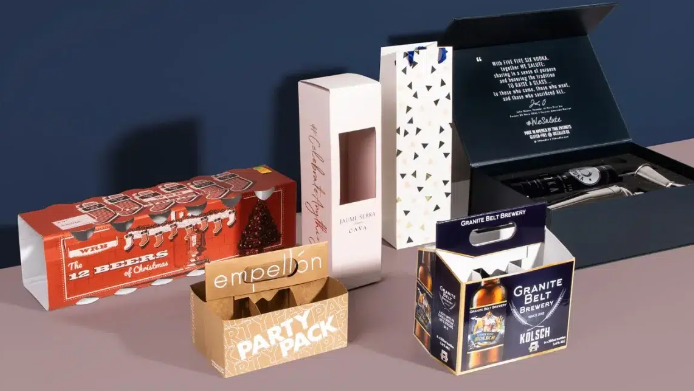
Common Printing Methods and Their Applications
Different printing techniques are suitable for different production scales and branding needs. Choosing the right method depends on product positioning and budget considerations.
- Offset Printing: Ideal for large-volume production, offering rich color layers and high image accuracy. Unit costs decrease as order quantity increases.
- Digital Printing: Does not require printing plates, making it suitable for small batches or market testing phases with flexible turnaround times.
- Flexographic Printing: Commonly used for corrugated packaging, environmentally friendly and efficient for continuous production.
- Screen Printing: Suitable for special materials or areas requiring thicker ink and unique texture effects.
Selecting the appropriate printing method allows businesses to balance visual quality with cost efficiency.
Color Management and Print Mode Control
Color performance is one of the most critical elements in beverage packaging design. Print files should be created in CMYK mode to match the ink-based printing process. Designs prepared in RGB mode may experience noticeable color shifts when converted for printing. Brand primary colors should use standardized color values or spot color printing to ensure consistency across different production batches. Conducting pre-press proofing helps visually confirm color accuracy and layout proportions before mass production, reducing the risk of costly corrections later.
Packaging Materials and Paper Weight Selection
The structure and material of the packaging box significantly affect durability and overall presentation.
- White Cardboard: Smooth surface suitable for high-quality color printing, often used for premium beverage packaging or gift boxes.
- Grey-Back Board: Cost-effective option suitable for mass-market products.
- Corrugated Board: Provides cushioning and load-bearing strength, ideal for multi-bottle or transportation packaging.
- Paper Weight Considerations: Paper that is too light may deform easily, while heavier stock increases production and shipping costs. Matching paper weight to product size and logistics requirements ensures structural reliability without unnecessary expense.
Choosing the right material enhances both protection and visual impact.
Surface Finishing Techniques to Enhance Texture
After printing, finishing processes can significantly elevate the look and feel of the packaging. Lamination options include gloss and matte finishes, improving water resistance and durability. Spot UV coating highlights logos or key design elements, adding depth and contrast. Hot stamping in gold or silver enhances brand recognition and conveys a premium image. Embossing and debossing add tactile dimension, creating a memorable sensory experience for consumers. Strategic combinations of finishing techniques help differentiate products on crowded retail shelves.
Pre-Press File Preparation and Production Details
Proper file preparation is essential before entering full production.
- Bleed Area Setup: Prevents unwanted white edges caused by cutting deviations.
- Safe Margins: Important text and graphics should remain within safe boundaries.
- Image Resolution: Maintain at least 300 dpi to ensure print clarity.
- Font Outlining: Convert fonts to outlines to avoid formatting errors.
- Sample Approval: Confirm physical samples before mass production to reduce risk.
Standardized preparation and clear communication with the printing supplier improve efficiency and reduce production mistakes.
Custom beverage packaging involves multiple aspects, including printing techniques, color control, material structure, and finishing processes. Mastering essential printing knowledge helps maintain consistent packaging quality and strengthens shelf appeal. Through careful planning and precise execution, packaging boxes become a powerful extension of brand value and product identity.

