
Essential Printing Knowledge for Customized E-commerce Packaging Boxes

In the context of the rapid development of the e-commerce industry, packaging boxes are no longer just tools for protecting goods, but also important carriers of brand image. When customizing e-commerce packaging boxes, mastering printing knowledge directly affects the visual effect and user experience of the final product. The rational application of printing processes and design methods can enhance product quality and brand recognition, thereby gaining an advantage in fierce market competition.
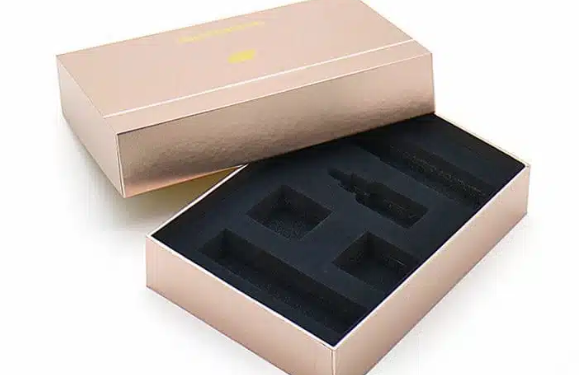
Basic Understanding of E-commerce Packaging Box Printing
The choice of printing method is crucial when customizing e-commerce packaging boxes. Common printing methods include offset printing, digital printing, and screen printing, each differing in color performance, cost, and applicable scenarios. Offset printing is suitable for mass production, ensuring color stability and clear details; digital printing is suitable for small-batch customization, offering greater flexibility; screen printing is often used for special effects. Understanding these basics helps in making more informed decisions during the design and production process.
Color Management and Visual Presentation
Color is one of the most important components in packaging box printing, as different color combinations directly affect the consumer’s visual experience. In the actual printing process, attention must be paid to color mode conversion and color difference control. Design files typically use CMYK mode, rather than the RGB mode displayed on the screen, to ensure the printed effect more closely matches the design expectations. Simultaneously, color matching can enhance brand style, making the packaging more recognizable among numerous products.
Common Printing Processes and Applications
In the process of customizing e-commerce packaging boxes, the appropriate use of different printing processes can significantly enhance the product’s grade. These processes have different characteristics in practical applications:
- Hot stamping (gold/silver): Enhances visual impact through metallic texture, often used to highlight brand logos.
- Spot UV coating: Strengthens key areas through gloss contrast, making the design more layered.
- Embossing: Creates a three-dimensional texture on the paper surface, enhancing the tactile experience.
- Lamination: Divided into glossy and matte lamination, it protects the printed surface and enhances the overall texture.
- Laser engraving: Presents colorful light and shadow effects, making the packaging more fashionable.
These processes can be combined according to design needs, making the packaging box richer in both visual and tactile aspects, thereby enhancing the consumer’s purchasing experience.
The Relationship Between Material Selection and Printing Results
Packaging box materials directly impact printing results. Different materials vary in ink absorption, surface smoothness, and durability. Common materials include white cardboard, coated paper, and corrugated cardboard. White cardboard is suitable for high-precision printing, coated paper offers high color fidelity, while corrugated cardboard excels in structural strength. Appropriate material selection ensures more stable printing results while meeting transportation and display requirements.
Collaborative Design and Production
When customizing e-commerce packaging boxes, effective communication between design and production is crucial. The design phase must fully consider the implementation challenges of printing processes and material characteristics to avoid impractical designs. Simultaneously, during production, printed samples need to be proofread to ensure the final product matches the design. Close collaboration between design and production effectively reduces errors and improves overall quality.
The printing of customized e-commerce packaging boxes involves not only technical aspects but also brand expression and user experience. By mastering basic printing knowledge, applying techniques appropriately, and optimizing material selection, packaging products that are both aesthetically pleasing and practical can be created, enabling them to play a greater role in the e-commerce environment.

