
Food Packaging Printing Knowledge and Oil-Proof Design

Food packaging in the takeout and fast food industry not only serves to hold food but also directly affects the safety and presentation of food during transportation. This is especially true for fried foods and dishes with a lot of sauces, which require higher standards of oil resistance, seepage prevention, and structural stability. Improper matching of materials and processes can easily lead to problems such as oil seepage, softening, and printing contamination. Therefore, a systematic design involving materials, printing, coating, and structure is necessary.
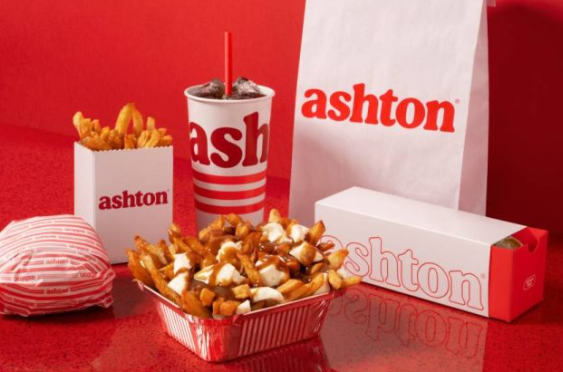
Food Packaging Material Selection and Basic Performance
Food packaging materials typically include food-grade cardboard, kraft paper, coated paper, and environmentally friendly composite materials. Different materials are suitable for different food service scenarios. Kraft paper has high toughness and is suitable for mixed dry and wet foods such as fried chicken and French fries; coated paper improves water and oil resistance through surface coating and is more suitable for soups or high-fat foods; food-grade cardboard is often used for takeout boxes and hamburger boxes, possessing good load-bearing capacity. When selecting materials, it is necessary to focus on oil resistance, compressive strength, food contact safety standards, and biodegradability. These factors collectively determine the stability and safety of the packaging during transportation and storage.
Oil-Resistant Coating Technology and Barrier Structure Design
Oil-resistant design is a crucial aspect of food packaging, primarily relying on coatings and composite structures to prevent oil penetration. Common methods include water-based oil-resistant coatings, PLA bio-coatings, and multi-layer composite structures. Water-based coatings offer better environmental performance and are suitable for lightly oily foods; PLA coatings are biodegradable materials, aligning better with the trend towards environmentally friendly catering; multi-layer composite structures enhance overall barrier capabilities by layering paper and film. In actual production, optimizing coating uniformity and adding edge folding designs further reduce the penetration path of oil in edge areas, thereby extending the duration of the oil-resistant effect.
Key Control Points for Oil-Resistant Performance
The stability of the oil-resistant effect depends on multiple detailed control points, which interact and collectively determine the final performance.
- Coating Thickness Control: A coating that is too thin is prone to oil seepage, while a coating that is too thick affects flexibility and cost. A balance must be struck between performance and cost.
- Surface Uniformity Treatment: Uneven coating can lead to localized failures, forming “oil seepage points” that negatively impact the overall user experience.
- Material Oil Absorption Matching: Different paper base materials have different oil absorption rates, requiring matching with the coating type.
- Environmental Adaptability Testing: Oil resistance may decrease under high temperature and high humidity conditions, necessitating prior simulation testing.
- Structural Auxiliary Design: Reducing areas of concentrated grease through folding, creasing, and composite structures improves overall protection.
These control points collectively form the stable foundation of the oil-resistant system; the absence of any one link can affect the final performance.
Food-Grade Printing Processes and Ink Safety Control
Food packaging printing not only serves a visual expression function but also involves food safety regulations, requiring the use of ink systems that meet food contact standards. Common processes include flexographic printing, offset printing, and gravure printing. Flexographic printing is more suitable for large-scale production of environmentally friendly packaging, offset printing offers more delicate color reproduction, and gravure printing is suitable for high-end packaging and high-precision pattern requirements. During the printing process, strict control of ink drying speed and adhesion is necessary to prevent color fading or migration. Simultaneously, good compatibility between the ink and the anti-oil coating must be ensured to guarantee food safety and appearance stability.
Packaging Structure Design and Leakage Prevention Optimization Solutions
Structural design plays a dual role in food packaging, providing both load-bearing and protection. A well-designed structure can significantly reduce the risk of leakage. Common optimization methods include bottom reinforcement, interlocking sealing designs, and double-layer edge treatment. For soups, sealing caps and heat-sealing processes are also used to improve overall airtightness. During transportation, a reasonable stacking structure can reduce pressure concentration, thereby lowering the probability of packaging damage and keeping food stable during long-term delivery.
Environmental Trends and Cost Balance in Food Packaging
Environmental requirements are driving food packaging towards biodegradable and low-pollution designs, but cost remains a key concern for the industry. While PLA materials and environmentally friendly composite paper offer excellent performance, their relatively high price necessitates a tiered strategy in practical applications: high-end products use environmentally friendly materials, while mid-to-low-end products optimize traditional paper-based structures. In terms of cost control, overall costs can be reduced by optimizing material thickness, improving printing efficiency, and reducing production waste, while maintaining basic performance, thereby achieving a coordinated development of environmental protection and economy.

