
Frequently Asked Questions about Candy and Cookie Box Printing

Candy and cookie boxes are not only the outer packaging of products, but also an important reflection of brand image. A well-designed print can attract consumer attention, increase purchasing desire, and protect product quality. Understanding common issues in candy and cookie box printing helps improve packaging effectiveness, avoid errors in production or design, and thus enhance the product’s market competitiveness.
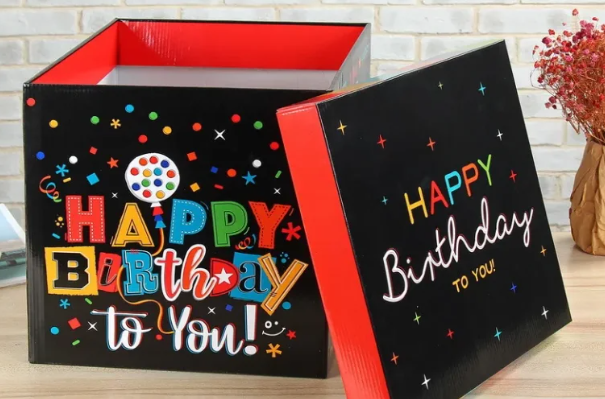
Printing Materials and Applicability
Common printing materials for candy and cookie boxes include paper, metal cans, plastics, and composite materials. Choosing the right material ensures both printing quality and product protection. Paper packaging is suitable for color printing and environmentally friendly requirements, but is sensitive to moisture and oils; metal boxes offer high printing durability, but the printing process is complex and requires surface pretreatment; plastic boxes are suitable for high-gloss or transparent effects, but ink adhesion may be insufficient; composite materials combine multiple advantages, but are relatively expensive. Selecting materials based on product characteristics and sales scenarios is key to ensuring printing quality.
Printing Colors and Process Issues
The choice of printing colors and the application of printing processes for candy and cookie boxes directly affect visual appeal and brand recognition.
- Color printing requires attention to color difference to ensure color consistency with the brand design.
- UV printing can enhance pattern brightness and durability, but it is more expensive.
- Flexographic or offset printing is suitable for mass production, offering fast printing speeds and strong adaptability.
Hot stamping or spot varnishing can enhance texture, but the position and proportion must be controlled. Correct printing techniques combined with appropriate color selection can ensure both aesthetic appeal and printing durability.
Pattern Design and Resolution
Packaging pattern design directly impacts consumer purchasing decisions. Printed files must maintain a high resolution, typically no less than 300 dpi, to avoid image blurring or loss of detail. Complex patterns or gradient effects require attention to color transitions and alignment accuracy to avoid post-printing deviations. Furthermore, text and brand logos must be clearly legible, avoiding excessively small fonts or colors that blend too closely with the background, thus affecting recognition.
Post-Processing and Protective Measures
After printing, candy and biscuit boxes usually require post-processing to enhance packaging durability. Common processing methods include lamination, spot UV coating, hot stamping, and embossing. These treatments can increase abrasion resistance and moisture resistance, while improving the overall texture. When selecting post-processing techniques, the printing material and product usage environment should be considered to avoid printing defects or packaging deformation due to improper processing.
Common Printing Problems and Solutions
Some common problems may occur during the printing of candy and biscuit boxes, such as color difference, blurring, ink smudging, or pattern misalignment. Solutions include:
- Strictly controlling the design documents and color standards before printing
- Using high-quality inks and materials to improve adhesion
- Conducting small-batch trial prints and adjusting promptly if problems are found
- Regularly maintaining printing equipment to ensure mechanical precision and stability.
Through scientific process control and rigorous inspection, printing defects can be reduced, ensuring consistent packaging quality for each batch.
Candy and biscuit box printing involves multiple stages, including material selection, color processing, pattern design, post-processing, and solutions to common problems. Mastering this printing knowledge and methods for handling common problems helps improve packaging quality and ensure visual appeal and durability. By selecting appropriate printing materials and processes, paying attention to pattern accuracy and color control, and conducting scientific post-processing and inspection, we can ensure that candy and biscuit packaging is both beautiful and practical, thereby enhancing the overall competitiveness of the product.

