
How Are Custom Packaging Box Design Costs Calculated?

When many people customize packaging boxes, their first reaction is to ask, “How much does one box cost?” However, the cost of custom packaging box design is not a single fixed price. Different sizes, materials, processes, box structures, and order quantities will all directly affect the final cost. Especially in high-end packaging design, the cost includes not only basic printing and materials, but also structural design, sampling, special finishing processes, and post-production processing. Therefore, even for the same type of packaging box, the price difference can be very large. Some simple folding boxes have relatively low costs, while high-end magnetic gift boxes may have significantly higher costs due to more complex materials and processes.
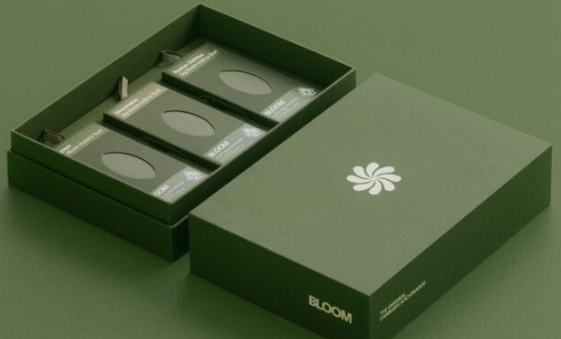
Main Components of Packaging Box Customization Costs
The cost of custom packaging box design is usually composed of the following parts:Material Costs,Paper, rigid board, and special materials will all affect the cost.
Printing and Finishing Costs
Processes such as hot stamping, UV coating, and embossing will increase processing costs.
Structure and Box Style Costs:
Complex structures cost more than ordinary box styles
Quantity and Production Scale
The larger the order quantity, the lower the unit price is usually.
Packaging Customization Cost Composition Table:
| Cost Item | Influencing Factors | Cost Changes |
| Material Cost | Material thickness/type | Significant cost differences |
| Process Cost | Hot stamping / UV / embossing | More processes increase cost |
| Structure Cost | Complexity of box structure | Irregular boxes cost more |
| Quantity Cost | Production volume | Larger quantities reduce unit price |
Differences Between Ordinary Packaging and High-End Custom Packaging Costs
Ordinary packaging usually uses standard box structures and basic printing, focusing mainly on reducing production costs, so prices are relatively stable. High-end custom packaging, however, requires more original design, special materials, and complex finishing processes, making the overall cost significantly higher.For example, an ordinary e-commerce folding box may only require basic CMYK printing and standard paper materials, while a high-end gift box may use gray board wrapped with specialty paper, magnetic closure structures, hot stamping, and embossing processes, along with custom die-cut molds and multiple sampling stages. These differences not only increase material costs, but also raise labor and processing expenses. The higher the level of customization, the more complex the cost structure becomes.
Frequently Asked Questions
Q: Why can boxes of the same size have very different prices?
A: Because the materials, processes, and structures are different.
Q: Does the order quantity affect the price?
A: Yes. Large-scale production usually lowers the unit price.
Q: What most easily increases costs?
A: Special finishing processes and complex structures.
Cost Characteristics of Different Types of Packaging
In e-commerce fast-moving consumer goods, folding boxes and standard printing are commonly used, so costs are relatively low. In the high-end cosmetics industry, magnetic boxes, matte lamination, and spot UV processes are common, which significantly increase costs. In gift packaging, additional inner trays, handle structures, and multi-layer finishing processes usually lead to higher overall budgets.In addition, some brands need to pay mold fees and sampling fees during the initial customization stage, while later mass production mainly focuses on material and processing costs.
The cost of custom packaging box design is not simply calculated based on the “number of boxes,” but is determined by multiple factors such as materials, finishing processes, structure, size, and production quantity. Different brands and product positioning have different packaging requirements, so the final cost will naturally vary significantly.For brands, the key to controlling budgets reasonably is not simply reducing costs, but selecting suitable packaging solutions according to product positioning. Only by finding a balance between visual effect, user experience, and cost can packaging design truly deliver its value.

