
How can gift box and tote box designs convey a sense of luxury?

In the modern consumer market, high-end gift boxes and tote boxes are not merely outer packaging; they are a direct reflection of brand image and product quality. A well-designed gift box or tote box can immediately capture a consumer’s attention and evoke a sense of value and quality. Creating a high-end feel relies not only on packaging materials but also requires comprehensive consideration of color matching, structural design, and craftsmanship details. High-end gift boxes typically emphasize refinement, delicacy, and uniqueness, while tote boxes need to balance portability and display effectiveness. Whether for holiday gifts, luxury goods, or high-end food, the high-end feel of the packaging design directly influences consumers’ purchasing decisions. When the packaging itself reflects the brand’s dedication and uniqueness, the overall perceived value of the product is enhanced. By designing high-end gift boxes and tote boxes, brands can not only attract target customers but also strengthen consumers’ psychological identification, making packaging an important tool for marketing and brand building.
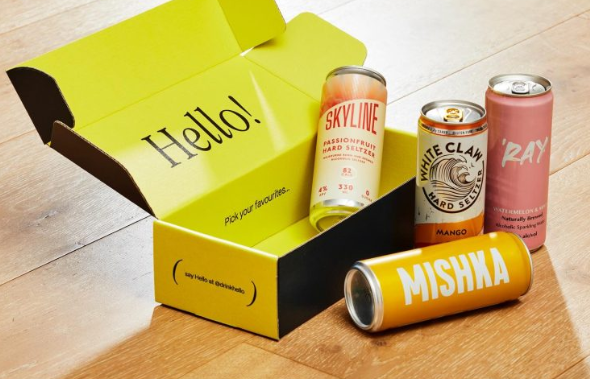
Key Points of High-End Design
· Material Selection
Choosing high-quality paper, cardboard, kraft paper, or special textured paper can enhance the overall quality. Some high-end tote boxes also feature velvet, leather, or metal handles to enhance their luxurious feel.
· Color Scheme
High-end designs typically use low-saturation or metallic colors, such as black and gold, deep blue and gold, and ivory white, to highlight a sense of sophistication and quality, avoiding overly flashy color combinations.
· Craftsmanship Details
Features such as hot stamping, embossing, UV spot coating, and cutouts are key to enhancing a high-end feel. Proper attention to detail allows consumers to perceive the brand’s refinement and dedication.
· Structural Design
Gift boxes can utilize drawer-style, flip-top, or magnetic closure designs, not only increasing the sense of occasion upon opening but also showcasing the packaging’s uniqueness. Tote boxes prioritize portability and sturdiness; a well-designed structure balances aesthetics and practicality.
· Brand Presentation
The design of the logo and brand information also influences the sense of high-end quality. A simple, refined, and well-designed brand logo makes the packaging appear more upscale, while overly complex or cheap fonts can disrupt the overall aesthetic.
Comparison of Gift Box and Handbag Designs
Gift box design emphasizes product display and the ritual of unboxing. It typically aims to provide consumers with a sense of refinement both visually and tactilely. Examples include magnetic or drawer-style gift boxes, which create a high-end experience through multi-layered design. Handbag design, on the other hand, prioritizes portability and display. It must ensure both load-bearing capacity and comfortable carrying. High-end handbags often feature meticulous design in the handle, paper thickness, and structure. Visually, gift boxes emphasize layering and a sense of ceremony, suitable for display on desktops or shelves; handbags emphasize brand image and convenience, suitable for carrying or gifting. Although their functions differ, both can convey a sense of luxury through materials, craftsmanship, and color.
Enhanced User Experience
Q: How can gift boxes and handbags convey a sense of luxury to consumers?
A: Through a comprehensive combination of materials, colors, craftsmanship, and structure, quality is perceived both visually and tactilely. For example, embossing and hot stamping enhance the feel, while darker colors enhance a sense of sophistication.
Q: Does high-end packaging increase costs excessively?
A: Yes, it will be slightly more expensive than ordinary packaging, but through reasonable design and process selection, the cost can be controlled, while the increased brand value and sales far outweigh the cost.
Q: What are the key differences in the design focus between tote boxes and gift boxes?
A: Gift boxes emphasize the unboxing experience and display effect; tote boxes emphasize portability, sturdiness, and overall aesthetic harmony.
Q: Is a high-end design suitable for all products?
A: Primarily suitable for high-value or gift-type products, such as cosmetics, wines, teas, and high-end foods. Low-priced goods are not suitable for overly high-end designs.
High-end packaging can be divided into three levels:
Basic level: Uses high-quality paper and a simple logo design, suitable for mid-range gifts, offering both quality and simplicity.
Intermediate level: Adds hot stamping, embossing, or partial UV coating; structural design can use drawer-style or magnetic flip-top; suitable for high-end cosmetics or gifts.
Advanced level: Complex three-dimensional embossing, hollowing, special materials (such as velvet, leather), and a combination of multiple processes; tote boxes with metal handles; suitable for luxury goods and limited-edition gifts.
For example, a high-end tea gift box uses dark-colored hard cardboard, a gold-stamped logo, and a drawer-style design. Upon opening, a velvet lining provides consumers with a visually appealing and tactilely luxurious experience. In contrast, an ordinary tote box using simple paper and monochrome printing cannot convey the same premium feel.
The premium feel of gift boxes and tote boxes is reflected in the combined effect of materials, craftsmanship, color, structure, and brand presentation. High-end packaging not only makes the product look more upscale but also enhances consumers’ psychological identification through tactile and visual experiences. Exquisite packaging design can elevate brand image, allowing consumers to perceive value upon receiving the product, thereby increasing their willingness to purchase. When designing gift boxes or tote boxes, brands should start with details, paying attention to material texture, color matching, and craftsmanship to make the packaging both beautiful and practical. Through high-end design, packaging is not merely a tool to protect the product but also an extension of the brand and product value, allowing consumers to perceive quality and care from the first glance and touch.

