
How can packaging design enhance the user’s unboxing experience?

In today’s consumer environment, packaging design is no longer just a tool to protect products; it’s also the first point of contact between a brand and its users. Especially with the increasing prevalence of e-commerce, users cannot touch or try products before purchasing, making the “unboxing experience” a crucial factor in shaping their first impression of a brand. A good unboxing experience not only surprises users but also enhances brand favorability and can even directly impact repurchase rates and sharing behavior.
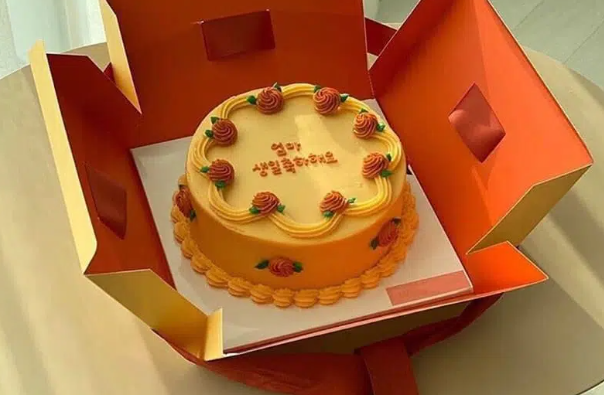
Many brands initially overlook this, focusing only on the aesthetics of the packaging without considering the user’s experience of actually unpacking it. In fact, the unboxing experience is a complete process, encompassing multiple aspects such as unpacking the outer packaging, displaying the internal structure, presenting the product, and conveying additional information. If these aspects are designed well, they can create a sense of “ritual” and “anticipation” for users during the unpacking process. Simultaneously, the unboxing experience is also a significant opportunity for brand communication. When users find the unboxing process interesting or engaging, they are more likely to take photos and share them, leading to secondary dissemination on social media platforms. Therefore, packaging design not only affects the user experience but also the efficiency of brand communication. Improving the unboxing experience is essentially about enhancing the emotional connection between users and the brand.
Design Directions for Improving the Unboxing Experience
- Optimizing the Smoothness of Packaging Opening Structure
The first step in the unboxing experience is “opening the packaging.” If the packaging is too complex and difficult to open, the user’s first impression is often negative. Therefore, the opening method needs to be optimized during the design process, such as using a magnetic structure, easy-tear opening, or pull-out design, so that users can open the packaging smoothly. A good opening structure should have the characteristic of being “easily understood without instructions.” Users can naturally complete the disassembly process without thinking. A smooth opening experience can reduce operating costs and enhance the brand’s professionalism, giving users a good impression from the very first step.
- Enhancing the Layers and Rhythm of the Unboxing Process
The unboxing experience is not just about “opening” and “seeing the product,” but a gradual unfolding process. If the packaging structure is designed with a sense of layering, users will have anticipation during the unpacking process, thereby enhancing the experience. For example, the product can be gradually displayed through the outer box, inner tray, and protective layer, allowing users to discover the contents layer by layer, like “unwrapping a gift.” This structural design makes the simple act of unpacking more ceremonial. Compared to single-layer packaging that directly exposes the product, multi-layered structures are more likely to evoke emotional responses in users and leave a lasting impression.
- Enhancing the Neatness and Orderliness of the Internal Visual Presentation
The internal structure that users see first after opening the packaging is crucial. A cluttered or disorganized product arrangement directly diminishes the overall experience. Therefore, the internal structure design must ensure neatness, orderliness, and visual clarity. For example, products can be displayed in fixed slots, symmetrical arrangements, or partitioned layouts to create a cleaner overall look. Color schemes should also be as consistent as possible to avoid visual interference. A neat internal presentation conveys the brand’s professionalism and enhances the product’s perceived value.
- Incorporating Appropriate Emotional Design Elements
The unpacking experience is not only a functional process but also an emotional one. Through thoughtful design details, users can experience a sense of surprise during the unpacking process. For example, adding brand cards, thank-you notes, small illustrations, or interactive prompts can enhance emotional value. These elements don’t need to be complex, but they must be “warm.” For example, a simple welcome message, a hidden design detail, or a small gift can strengthen the emotional connection between the user and the brand. This emotional design is often a key factor in enhancing user satisfaction.
- Enhancing the Tactile and Material Experience of Packaging
Users not only “see” but also “touch” during the unboxing process. Therefore, the tactile feel of the packaging materials directly affects the user experience. Using high-quality paper, frosted surfaces, or special textures makes it easier for users to perceive quality differences when touching the packaging. Conversely, if the materials are too cheap or rough, even a good visual design will diminish the overall experience. Therefore, material selection not only affects appearance but also influences the user’s overall perception of the brand. Good tactile design can make the unboxing experience more complete and sophisticated.
- Strengthening the Natural Presentation of Brand Information
During the unboxing process, brand information should not be forcibly displayed but rather naturally integrated into the experience. For example, incorporating brand elements into the inner box, cards, or packaging details allows users to gradually encounter brand information during unboxing, rather than being overwhelmed by a large amount of information at once. This approach allows brand memory to form more naturally without interrupting the user experience. Excellent packaging design often finds a balance between “user experience” and “brand expression,” rather than unilaterally emphasizing information delivery.
The Difference Between Unboxing Experience Design and Regular Packaging
Packaging with an unboxing experience design typically creates a sense of rhythm and surprise during the unboxing process, keeping users anticipating each step from opening the box to seeing the product. Regular packaging, on the other hand, is often just “open directly—see product,” lacking a sense of process and resulting in a more bland experience. Emotionally, packaging with an unboxing experience design is more likely to generate positive feedback, such as surprise, satisfaction, or a desire to share; while regular packaging is easily forgotten after quick use. In terms of dissemination, the former is more likely to be photographed and shared, creating secondary dissemination, while the latter lacks the motivation for sharing. This difference illustrates that the unboxing experience is no longer just a functional design but an important part of the brand experience.
Frequently Asked Questions about Unboxing Experience Design
Q: Is an unboxing experience only suitable for high-end products?
A: No, any product can have its experience enhanced through design.
Q: Will an unboxing experience increase costs?
A: Not necessarily. A well-designed unboxing experience can optimize the experience while controlling costs.
Q: Do all packaging need a complex structure?
A: No, the key is smoothness and rationality, not complexity.
Q: Do users really care about the unboxing experience?
A: Yes, it is, especially important in the e-commerce environment.
Different Unboxing Experience Design Approaches
For example, high-end skincare products often use pull-out boxes and multi-layered structures, allowing users to gradually see the product and enhancing the sense of ritual; electronic products use fixed slots and neat layouts to enhance professionalism and a sense of security; snack gift boxes often include small cards or fun designs to enhance interactivity; and e-commerce daily necessities use simple structures and easy-to-disassemble designs to enhance practicality. These examples illustrate that although different products have different styles, the core goal is to enhance the user’s experience and emotional value during the unboxing process.
Improving the user’s unboxing experience through packaging design is not just about optimizing the unboxing action, but about using structural, material, visual, and emotional design to allow users to feel the brand’s care and value throughout the process. From the opening method to the internal presentation, from the tactile feel of the materials to the expression of information, every detail affects the user experience. Only when these elements are planned holistically can the unboxing experience truly become an emotional connection point between the brand and the user.

