
How can packaging design reflect brand tone?

Brand tone is not just about visual style, but a comprehensive reflection of the brand’s overall character, including its values, target audience, communication style, and emotional expression. Packaging design is a crucial vehicle for transforming this abstract tone into concrete visual language. When consumers encounter a product, they often don’t learn about the brand’s philosophy first, but rather form their first impression within seconds through the packaging. Therefore, packaging design must accurately convey the brand tone. If the tone is inconsistent, for example, a high-end brand using a cheap-looking design, or a young brand adopting an overly serious style, it will cause cognitive bias and affect purchasing decisions. Therefore, packaging design is not only an aesthetic issue, but also a visual expression of the brand strategy. It needs to unify the expression of brand tone through multiple aspects such as color, font, material, layout, and overall structure, so that consumers can feel the brand’s character and positioning without additional explanation.
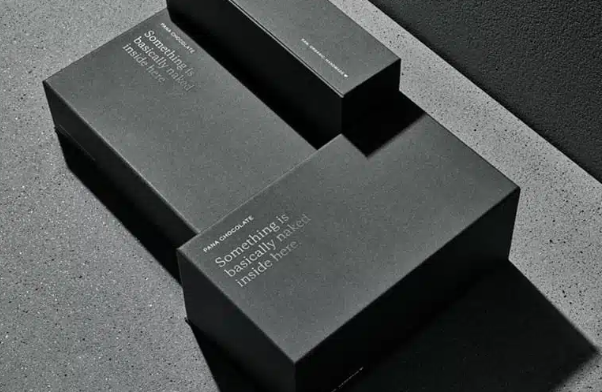
Six design methods to reflect brand tone
· Unified expression of color style
Convey the brand character through a fixed color scheme, for example, low-saturation colors convey a sense of sophistication, while bright colors convey vitality.
· Font and Typography Style Setting
Font selection influences the overall feel; simple sans-serif fonts lean towards modernity, while handwritten fonts are more approachable.
· Material Selection to Convey Texture
Different materials such as paper, metal, and glass directly affect the perceived brand level.
· Consistency of Visual Element Style
Maintaining a consistent style for illustrations, graphics, or photography helps stabilize the brand image.
· Control of Information Expression
High-end brands tend to use less information and more white space, while mass-market brands emphasize clear information.
· Emotional and Tone Design
Conveying the brand attitude through copywriting tone, such as professional, warm, or youthful expressions.
The Impact of Brand Tone on Products
Packaging with consistent and inconsistent brand tones will produce significant differences. Consistent packaging creates a unified visual impression, allowing consumers to quickly recognize the brand and establish stable trust; while inconsistent packaging can easily confuse consumers and make it difficult to determine the brand positioning. In high-end brands, overly complex or cluttered packaging designs can diminish their premium feel; conversely, overly conservative designs can diminish appeal for younger brands. Furthermore, a consistent brand identity enhances communication efficiency and connects different product lines, while inconsistent designs can create a fragmented brand image. This comparison illustrates that packaging design is not merely a visual issue for a single product, but rather an extension of the overall brand strategy.
Frequently Asked Questions about Brand Identity
Q: Is brand identity the same as style?
A: Not entirely. Style is the form of expression, while identity is the overall feel.
Q: Must packaging maintain a completely unified style?
A: Not necessarily, but core visual elements should remain consistent.
Q: Can identity be conveyed through color?
A: Yes, color is one of the most direct ways to convey brand identity.
Q: Do small brands also need identity design?
A: Yes, establishing identity early is beneficial for long-term development.
The actual manifestation of brand tone in packaging
High-end skincare brands typically employ minimalist designs, low-saturation colors, and refined materials to convey professionalism and high quality; young beverage brands use vibrant colors and lively illustrations to convey energy and fun; health food brands often use natural colors and environmentally friendly materials, emphasizing purity and safety; while technology product packaging tends towards cool colors and rational layouts to reflect professionalism and modernity. These examples illustrate that different brand tones directly influence the visual expression of packaging design, and packaging is a crucial carrier for concretizing this tone.
Packaging design embodies brand tone, essentially transforming the brand’s abstract essence into a perceptible design language through the visual system. From color and typography to materials and layout, every detail conveys the brand attitude. Packaging design is not about pursuing complexity or extravagance, but about maintaining unity and consistency, allowing consumers to perceive the same brand essence across different products or scenarios. Only when packaging design is highly consistent with brand tone can a stable brand image be established and clearly recognized in the market.

