
How can packaging design stand out on the shelf?

In the retail environment, consumers face a plethora of similar product choices daily. What truly makes them stop is often not the product itself, but the packaging. Especially on supermarket or convenience store shelves, competition between products is fierce, making packaging design the first hurdle to attracting attention. Successful packaging can complete the process of “attracting—recognizing—generating interest” within seconds, significantly increasing sales opportunities. The visual environment on shelves is often complex and crowded, with various colors, shapes, and information intertwined. If packaging lacks distinctive features, it can easily be lost in the crowd.
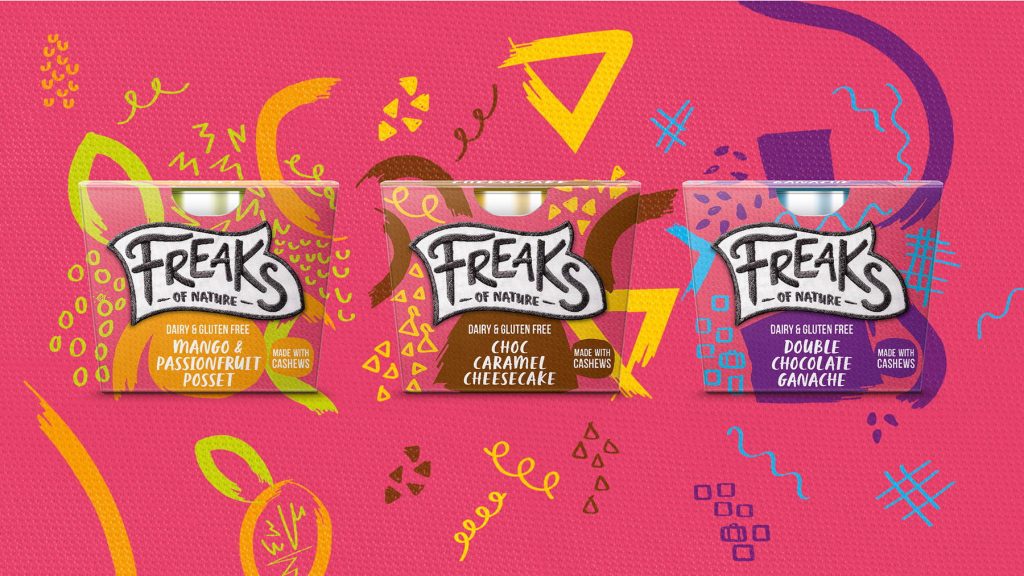
Therefore, design must not only be aesthetically pleasing but also “eye-catching.” This eye-catching quality isn’t just about vibrant colors; it’s about creating differentiation within the overall environment, ensuring consumers notice it at a glance. Simultaneously, packaging must quickly convey product information, allowing consumers to understand the product’s value in a short time. Furthermore, different product categories require different shelf displays. For example, the food section emphasizes color impact, while the premium product section emphasizes texture and simplicity. Designers need to consider the sales context, rather than simply focusing on aesthetics. Only by combining visual appeal, information delivery, and brand expression can you truly achieve the effect of “standing out.”
Color First, Catch the Eye
Color is the most direct visual element and a key factor in whether something is noticed. In a shelf environment, most products tend to cluster in certain common color families. If you can break out of these conventional colors, you’ll be more easily seen. For example, blue packaging will stand out more among a row of predominantly red snacks; warm-colored packaging will stand out more easily in a cool-toned skincare section; using high-contrast color combinations can enhance long-distance recognition. The core of color selection is not “good-looking,” but “highly contrasting.”
Shape Breaks the Mold
Besides color, packaging shape can also create strong visual differences. Most products use standard box or bottle shapes; making structural changes can quickly attract attention.
Common practices include:
· Using irregular shapes
· Adding curved or beveled structures
· Changing traditional proportions (such as elongated or flat)
These changes can make a product stand out from neatly arranged shelves.
Provide Information That’s Easy to Understand at a Glance
Consumers typically only spend a few seconds in front of a shelf, so the information must be concise and clear. Too much information or a cluttered layout on packaging can quickly lose consumer interest. Conversely, a design that highlights key points is more readily accepted. For example: the product name should be eye-catching; key selling points should be emphasized (e.g., “sugar-free,” “high protein”); and the font should be clear and legible. The key to information design is minimizing distractions and allowing consumers to quickly understand the product.
Use Graphics to Enhance Memory
Graphic elements can help consumers quickly form an impression. Compared to text, graphics are easier to remember and convey information more effectively in a short time.
Specific methods include:
· Using real product images to enhance realism
· Designing unique illustrations to improve recognizability
· Using symbolic graphics to express function
For example, a beverage package with a large fruit image can help consumers quickly understand the flavor.
Maintain Brand Consistency
Brand recognition is crucial among numerous products. If a brand has a consistent visual style, consumers can quickly find it on the shelf, leading to repeat purchases.
Common methods include: using consistent brand colors, maintaining a unified logo placement, and keeping a consistent design language.
Consistent style over the long term allows the brand to create a “visual array” on the shelf.
Enhance Material Quality
Packaging materials also affect visual appeal and attractiveness. Under the same design, different materials can evoke completely different feelings. For example, matte materials appear more luxurious, while glossy materials are more impactful.
Examples:
Matte paper: Suitable for high-end products
Glossy paper: Suitable for fast-moving consumer goods (FMCG) products
Special materials (such as frosted): Enhance the tactile experience
Materials not only affect visual appeal but also the consumer’s tactile experience.
Display and Environment Adaptation
Packaging design also needs to consider shelf display methods. Different display methods affect the packaging’s presentation, so these should be considered in advance. For example:
Upright display: Emphasize the front visual appeal
Stacked display: Consider the overall combination effect
Hook display: The top area needs to be highlighted.
Only when matched with the display method can packaging achieve its maximum effect.
Emotional Guidance for Purchase
Packaging not only conveys information but also influences emotions. Through the combination of color, graphics, and text, consumers can experience certain emotions, thereby influencing purchasing decisions. For example: warm colors evoke a sense of intimacy; minimalist designs convey a sense of luxury; and vibrant styles attract young people. When emotions align with product positioning, conversion rates are higher.
In the competitive market, packaging design plays a role far beyond mere aesthetics; it serves as a crucial bridge connecting products and consumers. Packaging that stands out must efficiently capture attention, convey information, and build trust. Therefore, design must consider not only visual appeal but also consumer behavior, understanding their actual decision-making process on the shelf. Successful packaging often shares several characteristics: strong visual differentiation, clear information delivery, strong brand recognition, and a high degree of integration with the sales environment. By continuously optimizing these key aspects, companies can gain an advantage in fierce market competition, ensuring their products are seen, remembered, and ultimately chosen on the shelf.

