
How can sustainability be integrated into food packaging design?

In today’s consumer environment, sustainability has gradually transformed from an added value into a crucial foundation for food packaging design. With increasing environmental awareness, consumers are not only concerned with the quality of the food itself but also with whether the packaging is environmentally friendly. Therefore, food packaging design no longer only considers aesthetics and functionality but also resource utilization, environmental impact, and lifecycle management. Integrating sustainability into design is not simply about using environmentally friendly materials; it requires comprehensive consideration across multiple stages, including material selection, structural design, production processes, and post-use disposal. For example, reducing unnecessary packaging layers, improving material recyclability, and optimizing transportation efficiency are all important aspects of sustainable design. Simultaneously, brands can use packaging to convey environmental concepts to consumers, thereby enhancing brand recognition.
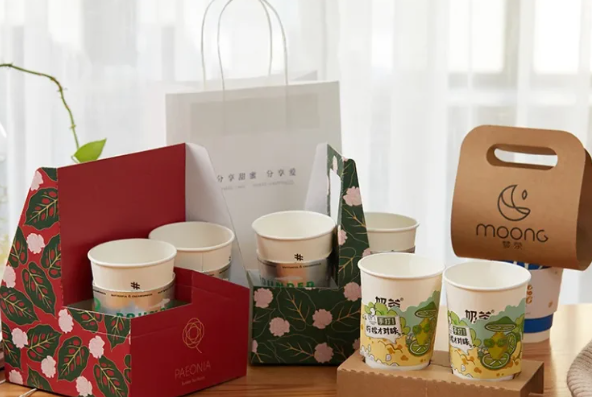
Sustainable Design Directions
· Selecting Environmentally Friendly Materials
Prioritize the use of biodegradable, recyclable, or renewable materials to reduce long-term environmental impact.
· Reducing Excessive Packaging
Simplify the packaging structure, avoid unnecessary layers, and reduce resource consumption.
· Optimizing Structural Design
Reduce material usage through rational design while ensuring packaging strength and functionality.
· Improve recyclability
Use single materials or easily separable structures for convenient recycling.
· Extend the lifespan
Design reusable packaging, such as packaging that can be used as a storage box.
· Convey environmental information
Clearly label environmental attributes on the packaging to guide consumers on proper packaging disposal.
Differences between traditional and sustainable packaging
Traditional food packaging and sustainable packaging differ significantly in their design philosophies. Traditional packaging often prioritizes cost and functionality, potentially using multi-layered composite materials to enhance performance but neglecting recycling; sustainable packaging, on the other hand, focuses more on the source and destination of materials, emphasizing waste reduction and recycling. Traditional packaging may be over-designed, such as with multiple layers of boxes or unnecessary decorations, while sustainable packaging pursues simplicity and efficiency. In terms of consumer communication, traditional packaging emphasizes environmental information less, while sustainable packaging proactively conveys green concepts and enhances brand value. This difference illustrates that sustainable design not only changes the form of packaging but also the way brands communicate with consumers.
Questions about sustainable packaging
Q: Is environmentally friendly packaging always more expensive?
A: It may be more expensive in the short term, but long-term costs can be reduced through optimized design. Q: Are all food products suitable for environmentally friendly materials?
A: The choice depends on the product’s characteristics. Some foods still require high-barrier materials for protection.
Q: Will reducing packaging affect product safety?
A: Proper design can ensure safety while reducing materials.
Q: Do consumers really care about environmentally friendly packaging?
A: More and more consumers consider it an important factor in their purchasing decisions.
Case Studies
For example, some organic food brands use kraft paper packaging or biodegradable materials to reduce plastic use while conveying a natural philosophy through simple design; some beverage brands use recyclable bottles and label them with recycling information to encourage consumer participation in environmental protection; other brands simplify multi-layered packaging into a single structure, reducing both costs and resource waste; in e-commerce food packaging, some companies optimize size design to reduce transportation space, thereby reducing logistics carbon emissions. These cases illustrate that sustainability can be integrated into packaging design in many ways, not just limited to the materials themselves.
From material selection to structural optimization, from production methods to post-use disposal, every detail needs to revolve around “reducing waste, improving efficiency, and reducing environmental impact.” The design process must avoid overemphasizing environmental protection at the expense of product protection and user experience, as well as focusing solely on functionality while ignoring resource consumption. A more reasonable approach is to find a balance among various factors, ensuring that the packaging meets practical needs while also possessing environmentally friendly attributes. Furthermore, clear design expression and information delivery can make it easier for consumers to understand and participate in environmentally friendly activities. Only when functionality, cost, and sustainability are harmonized can packaging design truly reflect its comprehensive value.

