
How Is Minimalist Style Applied in Product Packaging Design?

In recent years, minimalist style has become one of the most important trends in product packaging design. From skincare products and electronics to food and beverages, more and more brands are adopting minimalist packaging to shape their brand image. Minimalist design is not simply about reducing design elements; rather, it focuses on streamlining visual information, highlighting core content, and optimizing layout structure to create a cleaner, more professional, and premium visual effect.In an era where consumers are exposed to massive amounts of information every day, overly complex packaging can easily cause visual fatigue. Minimalist packaging, on the other hand, allows consumers to quickly understand product features through clean visuals and clear information delivery.
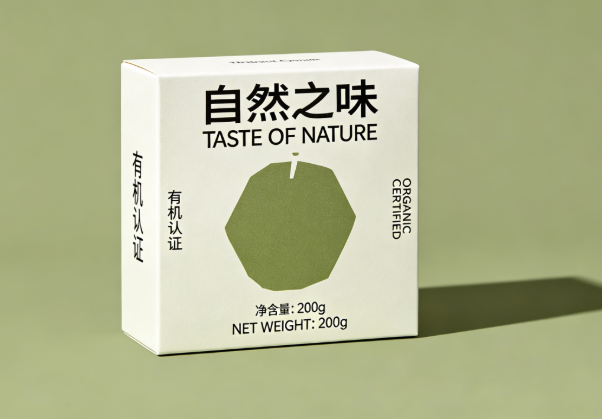
At the same time, minimalist design can enhance product quality perception and strengthen a brand’s professional image, making it highly popular among premium brands, emerging consumer brands, and technology companies. However, minimalist design does not mean a lack of creativity. If executed poorly, packaging may appear monotonous or lack memorability. Therefore, applying minimalist style in packaging design requires finding a balance between “simplicity” and “brand recognition,” ensuring that the packaging is both clean and distinctive while reflecting product characteristics and brand value.
Methods for Applying Minimalist Packaging Design
To create outstanding minimalist packaging, the following approaches are commonly used:
· Reduce the Number of Visual Elements
Retain only the most important information and graphics. Minimalist design emphasizes removing unnecessary decorations and keeping only the brand name, product name, and essential descriptions, allowing consumers to quickly access key information.
· Use Consistent and Restrained Colors
Limit the number of colors as much as possible. Many minimalist packaging designs use black, white, gray, and low-saturation colors as primary tones to maintain visual consistency and a premium appearance.
· Focus on White Space Design
Proper use of white space enhances visual breathing room. By increasing empty areas, brand logos and product information become more prominent while improving the overall design hierarchy.
· Emphasize Typography and Layout
Text itself becomes an important visual design element. Minimalist packaging often uses clean fonts and structured layouts, creating visual order through size contrast and spacing control.
Core Elements of Minimalist Packaging Design:
| Design Element | Application Method | Main Function |
| Color Control | Limited color palette | Enhances premium appeal |
| White Space Layout | Increase empty space | Highlights the main subject |
| Typography Design | Simple and readable fonts | Strengthens information delivery |
| Graphic Elements | Simplified graphics | Prevents visual clutter |
| Brand Presentation | Prominent logo placement | Enhances recognition |
Characteristics of Minimalist Packaging Design
Minimalist packaging emphasizes simplified information and visual focus. By using limited design elements to communicate core values, the overall appearance becomes cleaner, more modern, and more professional.In contrast, complex packaging often contains numerous graphics, text, and decorative elements. While it can convey a large amount of information, poor execution may result in visual clutter. For example, in skincare packaging, minimalist design may retain only the brand logo and product name, using materials and finishing techniques to express quality.
More complex designs may rely on extensive patterns and decorative graphics to attract attention.Both approaches have their own advantages, but minimalist packaging is generally more effective at creating a premium image and maintaining brand consistency. In addition, minimalist design tends to have stronger long-term adaptability and is less likely to appear outdated as design trends change.
Common Questions
Q: Will minimalist style make packaging look too plain?
A: No. Proper use of white space and finishing techniques can enhance depth and visual interest.
Q: Is minimalist packaging suitable for all products?
A: Not necessarily. It is generally more suitable for industries such as technology, skincare, and premium food products.
Q: Does using fewer colors always align better with minimalist design?
A: Generally yes, but the color scheme should still align with the brand’s positioning.
Q: Does minimalist design require special finishing techniques?
A: Not necessarily, but techniques such as spot hot stamping and embossing can enhance the overall premium feel.
Applications of Minimalist Style in Different Products
In the electronics industry, many brands use white or black packaging combined with clean layouts, utilizing white space to convey a sense of technology and professionalism. In the premium skincare industry, minimalist design often incorporates low-saturation colors and refined materials to create a pure and professional brand image.Within the food industry, some specialty coffee and health food brands also adopt minimalist packaging, using simple graphics and limited text to highlight product features. Compared with traditional packaging, these designs are more likely to attract consumers who appreciate quality and modern aesthetics.In addition, gift packaging has increasingly embraced minimalist style. By replacing complex patterns with premium paper materials and sophisticated finishing techniques, the packaging achieves a more elegant and luxurious appearance.
The application of minimalist style in product packaging design is essentially about reducing unnecessary visual elements so consumers can focus more quickly on the brand and the product itself. It is not simply about “subtracting” design elements, but rather about creating a more precise balance among color, layout, white space, and information communication.A successful minimalist package can not only enhance a product’s professional and premium image but also strengthen brand consistency and market recognition.
During the design process, it is important to carefully control the number of design elements according to the brand’s positioning and target audience, while preserving sufficient brand characteristics and visual memory points. When a clean appearance, clear information, and harmonious layout work together effectively, minimalist packaging can create a distinctive advantage among competing products, allowing consumers to immediately perceive the quality and value the brand seeks to convey.

