
How much does it usually cost to make a sample of a packaging box?

In the packaging industry, “sampling” (prototype making) is a crucial step before mass production. It is used not only to verify whether the structure is reasonable, but also to test material strength, printing quality, and transportation suitability. Many companies develop packaging boxes by making samples in advance to avoid deviations and costly mistakes in bulk production. So how much does packaging box sampling usually cost? In fact, there is no fixed price, as the cost varies significantly depending on different requirements.
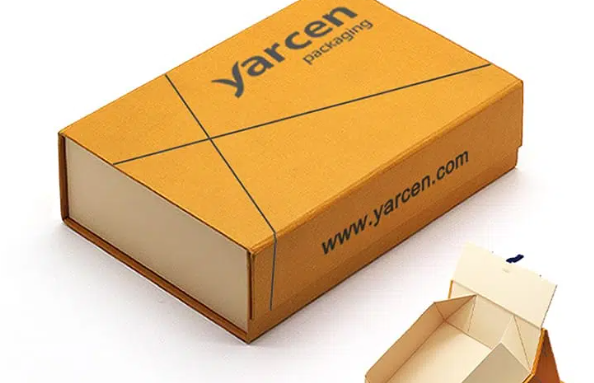
Key Factors Affecting Sampling Costs
The price of packaging box sampling varies widely, mainly depending on materials, structure, and printing processes, as different combinations directly affect production costs.
- Material selection: Standard corrugated cardboard is cheaper, while specialty or eco-friendly materials are more expensive.
- Structural complexity: Irregular shapes or multi-layer structures require more processing time.
- Printing process: Color printing, lamination, or hot stamping will increase costs.
- Size: Larger boxes require more materials, resulting in higher costs.
Basic sampling usually costs around 50–200 RMB per unit, suitable for standard structures and common materials. For customized structures or special materials, the price may rise to 200–500 RMB per unit, and even higher for complex processes.
Cost Reference for Different Sampling Methods
In practical development, companies choose different sampling methods depending on the stage of product development, and each method has different costs and purposes.
- Digital sampling: Mainly used for quick design verification, typically costing 50–150 RMB per unit, suitable for early-stage concept confirmation.
- Manual structural sampling: Used for complex structure validation and functional testing, costing around 150–300 RMB per unit.
- Printed finished sampling: Includes printing and surface finishing, usually costing 200–500 RMB per unit, suitable for brand confirmation stages.
Each method corresponds to different development phases, and choosing appropriately helps balance cost and efficiency.
The Real Value of Sampling Costs
Although sampling involves additional costs, it plays a critical role in risk control throughout the packaging development process and helps prevent much larger losses later on.
- Identifies structural design issues early, reducing mass production rework risks.
- Tests compression resistance and transportation performance, lowering logistics damage rates.
- Verifies printing effects and brand visual consistency, avoiding large-scale deviations.
Even though a single sample may cost between 50 and 500 RMB, it helps companies significantly reduce potential risks before full production.
More Effective Ways to Control Sampling Costs
While ensuring quality, companies can also reduce unnecessary expenses through proper planning, making the development process more efficient and cost-effective.
- Prioritize standard sizes to reduce customization costs.
- Use digital modeling to confirm design before physical sampling.
- Combine multiple designs into one sampling batch to improve efficiency.
- Work with professional packaging manufacturers for better pricing support.
Proper sampling planning not only helps control budgets but also improves overall development efficiency and accuracy.
Packaging box sampling typically costs between 50 and 500 RMB per unit, depending on materials, structural complexity, and process requirements. During packaging development, it is more important to validate design feasibility and transportation safety through sampling, reducing later modifications and production risks. By working with professional packaging providers such as inspackaging, companies can optimize sampling costs while ensuring quality, making packaging solutions better aligned with real-world applications and improving overall supply chain efficiency.

