
How to accurately represent cutouts and windows in design drafts?

In packaging design, cutouts and windows are common and visually appealing techniques. They not only allow consumers to directly see the product but also enhance the packaging’s layering and interactivity. However, if these techniques are not clearly expressed in the design draft, deviations can easily occur during production, such as incorrect opening positions, inaccurate dimensions, or even complete failure to achieve the design effect. Therefore, accurately labeling cutouts and windows during the design phase is crucial to ensuring the successful implementation of the design.
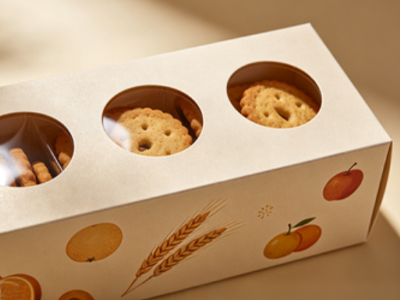
While cutouts and windows may appear similar, they differ in their manufacturing processes. Cutouts typically involve directly cutting away a portion of material, while windows may be combined with transparent film or other materials for covering. Therefore, the design draft should not only indicate the shape and location but also specify whether additional materials are needed. This detailed expression helps printing and processing plants accurately understand the design intent and reduces communication errors. Many design problems often stem from inaccurate labeling. For example, failing to distinguish between cutting lines and visual layers, or not separately labeling the process layer, can lead to misunderstandings in the production process. Therefore, mastering standardized expression methods is a crucial step in enhancing the professionalism of packaging design.
Standard Expression Methods for Cutout and Windowed Techniques
· Create a Separate Process Layer
In the design file, a separate layer should be created for the cutout or windowed area, and clearly named, such as “Windowed Technique Layer” or “Cutout Line”. Avoid mixing it with the printing layer.
· Use Spot Colors to Mark Process Areas
Use a clear spot color (such as 100% red or a dedicated process color) to mark the windowed or cutout areas, and set it to “overprint” for easy identification by the printing plant.
· Distinguish Between Cutting Lines and Process Lines
The cutout portion is part of the die-cutting process and should be distinguished from the outer contour cutting lines to ensure no confusion during die-cutting.
· Indicate Dimensions and Positions
Clearly indicate the dimensions and specific positions of the windowed or cutout areas to avoid offsets during production. Precise marking is especially important for symmetrical or centered designs.
· Indicate whether film or additional materials are needed
For windowed designs, specify whether transparent PVC or other materials are used, along with the material type and thickness.
· Provide a rendering
In addition to technical specifications, attach a rendering to help the manufacturer understand the design more intuitively.
The Difference Between Standardized and Vague Expressions
If the cutout and windowing processes are clearly and precisely expressed in the design draft, production staff can quickly identify the process areas and accurately create die-cutting molds and perform subsequent processing. The final product will match the design in position, size, and effect, presenting an ideal visual effect. However, if the expression is unclear, such as the lack of a separate layer, spot color annotation, or missing dimension information, production staff may misunderstand the design intent. Common problems include window position misalignment, incorrect dimensions, and even omitted process steps. This not only affects aesthetics but may also lead to rework of the entire batch of products. The comparison shows that a clear and standardized expression is key to ensuring the successful implementation of cutout and windowing processes.
Frequently Asked Questions
Q: Can the same annotation method be used for cutouts and windows? A: Similar labeling methods can be used, but the specific process type must be specified, as whether lamination is required will affect the production process.
Q: Why use spot colors for labeling?
A: Spot colors allow printing plants to quickly identify process areas, avoiding confusion with regular printing content and improving accuracy.
Q: Is a mock-up image mandatory?
A: While not mandatory, it is strongly recommended. A mock-up image can reduce misunderstandings and facilitate smoother production.
Q: Should bleed be considered for windowed areas?
A: Yes. Window edges should also be designed in conjunction with bleed and trim lines to avoid uneven edges.
Important Considerations
In cutout and windowed designs, some details often determine the final effect. For example, whether the edges are smooth, whether the window shape is too complex, and whether it affects structural strength. Insufficient consideration of these factors during the design phase may affect processing difficulty and finished product quality. Therefore, the design should not only focus on visual effects but also consider process feasibility.
Cutouts and windowed designs are visually appealing in packaging design, but they also demand higher standards of precision in the design drafts. Creating independent layers, using spot colors for annotation, clearly defining dimensions and positions, and providing process specifications can effectively avoid production errors and ensure accurate design presentation. Designers need to consider die-cutting, material usage, and processing procedures from a production perspective, making the design not only aesthetically pleasing but also feasible. Standardized expression not only improves work efficiency but also reduces communication costs, creating a smooth transition between design and production. Furthermore, attention to detail is equally important. Edge treatment, structural stability, and material selection all need to be considered in advance during the design phase. Only by combining creativity with craftsmanship can the packaging achieve the desired effect in the final product. Accurate expression of cutouts and windowed designs is a crucial guarantee for the successful implementation of packaging design. Through standardized operations and meticulous annotation, designs can be smoothly transformed from drafts into high-quality finished products, enhancing the overall packaging quality and brand image.

