
How to avoid a failed packaging box design?

In packaging design practice, a “failure” often refers to a design that severely deviates from the brand’s expectations, resulting in a chaotic visual effect, an impractical structure, or poor market feedback. Many companies are full of confidence during initial communication, but find the results significantly disappointing after prototyping or mass production. This is usually not due to a lack of creativity, but rather to unclear initial planning, incomplete information, inadequate execution details, and neglect of actual production conditions.
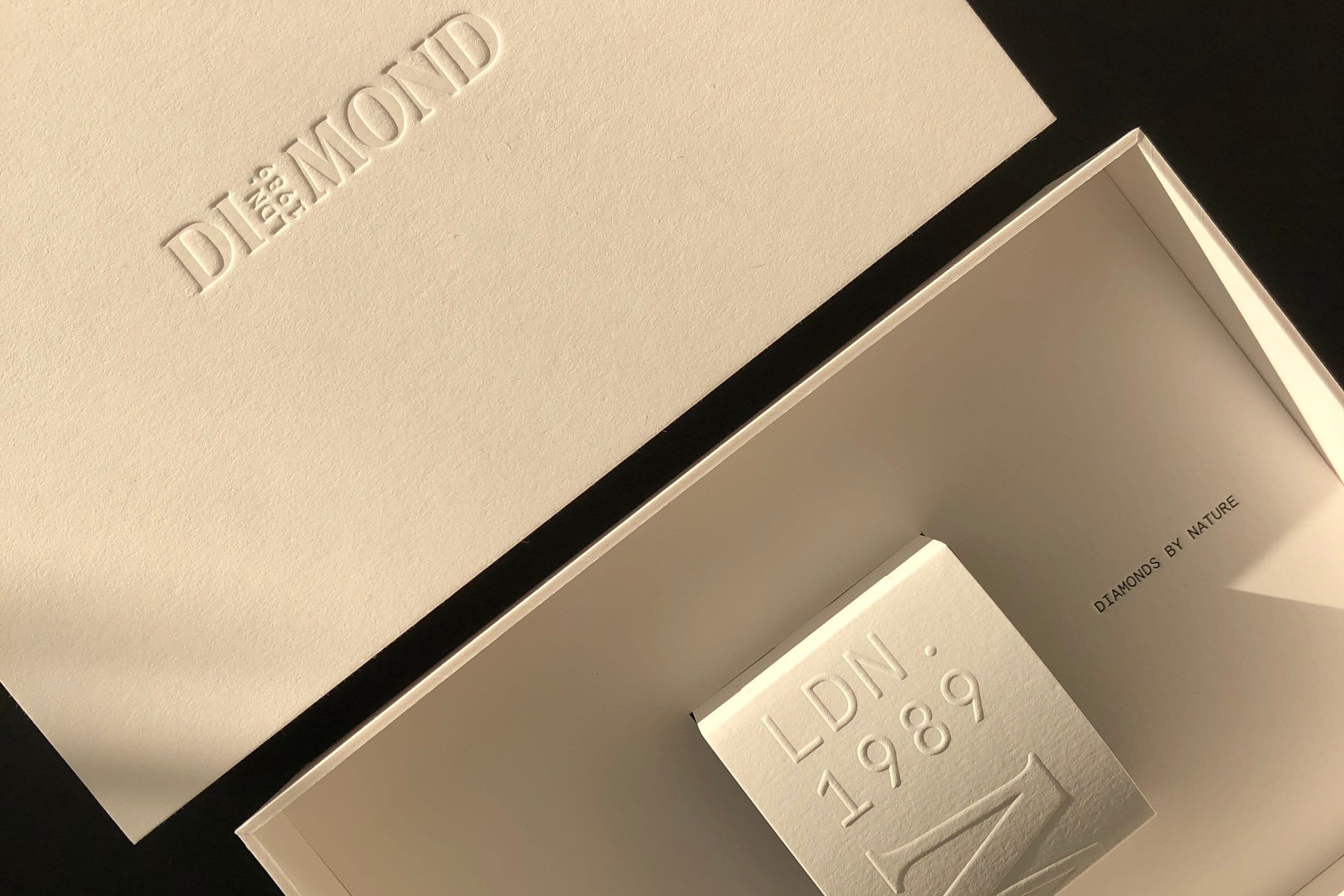
From brand positioning to material selection, from structural prototyping to printing processes, every step affects the final presentation. Without rigorous process control, deviations at any stage can easily occur, leading to an unbalanced overall effect. To avoid design failures, a complete control system must be established from the strategic to the execution level. Excellent packaging design should find a balance between creative expression and practical feasibility. Overly pursuing creativity while ignoring production costs, or being overly conservative and lacking visual impact, can both lead to failure. Therefore, during the design process, clear direction confirmation, rigorous sample review, and multiple rounds of testing are necessary to reduce risk.
Define Your Brand Positioning Before Designing
Many design failures stem from starting graphic design without a clear brand positioning. Packaging style must revolve around the brand positioning.
It’s necessary to determine in advance: product price range, target consumer group, and sales channel environment.
For high-end products, avoid low-cost layouts. For the youth market, avoid overly outdated design language. A clear positioning ensures a stable design direction and reduces repeated revisions later.
Avoid Overloading Elements
One common design failure is excessive information and complex graphics.
Control methods include: simplifying core selling points; reducing decorative graphics; and controlling font types.
Packaging space is limited; piling everything on will lead to visual chaos. Prioritize highlighting the brand and core information, with other content as supplementary elements.
Pay Attention to Color Coordination
Inappropriate color use directly affects visual perception.
Common mistakes include:
· Severe color clashes
· Overly high color saturation
· Unclear primary and secondary colors
When designing, it’s recommended to choose a primary color and then pair it with one or two secondary colors. Colors should have a logical relationship, not be randomly combined. Printed samples must be repeatedly proofread for color differences to avoid significant discrepancies between the screen and the actual product.
Prioritize Structural Feasibility
Many creative structures look great in renderings but cannot be implemented in actual production.
Prevention Methods:
· Communicate with the factory in advance
· Create structural samples
· Check folding and load-bearing capacity
Structural design must consider paper thickness, die-cutting precision, and the pressure during transportation. Ignoring these details may result in deformed or unusable finished products.
Test Printing Results
Printing results are a crucial aspect of packaging implementation.
Control steps include:
— Conducting small-batch sampling
— Verifying color and pattern clarity
— Checking the completeness of process details
Different printing equipment can produce color differences; a design that looks good on the computer screen does not guarantee a similar effect after printing. The final effect must be confirmed through samples.
Focus on Brand Consistency
Packaging is only one part of a brand’s visual system.
It is necessary to ensure: consistency with the brand’s official website style; consistency with advertising materials style; and consistency with other product packaging.
If the packaging style is inconsistent with the overall brand image, it will weaken brand recognition. A unified visual system enhances professionalism and avoids stylistic inconsistencies.
Controlling Budget and Costs
Overly complex designs can significantly increase production costs.
Optimization Methods:
· Choose materials wisely
· Avoid excessive special processes
· Balance visual effects and cost: Budget constraints do not limit creativity, but rather require more precise design. High cost does not equal high quality; the key is how to achieve the best results with limited resources.
Successful packaging design requires not only creativity but also feasibility, producibility, and mass production capability. Designers need to conduct thorough communication in the early stages, clarify brand positioning, control the number of visual elements, and repeatedly test drafts and verify the structure. Core methods to avoid packaging design failures include clear positioning, simplified elements, scientific color matching, structural verification, testing printing effects, maintaining brand consistency, and cost control. Each step directly affects the final presentation quality. Only by establishing a complete process management mechanism can risks be reduced, success rates increased, and packaging design truly serving the brand and market needs, rather than remaining at the conceptual level.

