
How to Balance Aesthetics and Practicality in Product Packaging Design?

In an increasingly competitive market, packaging design is no longer just about aesthetics; it’s a crucial component of product value. When consumers first encounter a product, they are usually drawn to the packaging’s visual appeal, but what truly determines the user experience and brand impression is its practicality. Therefore, excellent product packaging design must balance both aesthetics and practicality, rather than favoring only one aspect. Many brands tend to fall into two extremes when designing packaging: one is overemphasizing visual effects, resulting in complex and inconvenient packaging structures; the other is focusing solely on functional needs, making the packaging lack appeal and brand identity. In reality, the packaging that consumers truly appreciate is one that is both visually appealing and convenient and comfortable to use. This is because packaging is not just a display tool, but an element that consumers interact with and use daily. Furthermore, aesthetics and practicality are not mutually exclusive. Excellent packaging design typically integrates functional needs naturally into visual expression. For example, a simple structure improves efficiency and enhances visual sophistication; a well-organized information layout facilitates reading and strengthens the overall design.
Core Methods
- Clarify the actual usage needs of the packaging
Before designing the packaging, it is necessary to first clarify the actual usage scenarios of the product. Because different products have completely different functional requirements for packaging, if practicality is ignored and only visual effects are pursued, it is easy to cause problems in subsequent use. For example, food packaging needs to focus on moisture protection, oil protection, and ease of storage; e-commerce products pay more attention to transportation protection; cosmetic packaging focuses on opening experience and ease of carrying. Therefore, in the design stage, the most core functional requirements of the packaging should be clarified first, and then visual optimization should be carried out around these requirements. Only after the basic functions are met can the aesthetic design of the packaging truly have value.
- Improve the unity of visual and functional design through simple design
In many cases, the more complex the packaging, the worse the user experience. Too many decorative elements, complex structures, or information stacking will not only increase the visual burden, but also affect the efficiency of consumers’ use. Therefore, simple design is often easier to balance aesthetics and practicality. For example, a clear layout structure not only makes the packaging look more high-end, but also allows consumers to quickly find key information; appropriate white space can enhance the visual hierarchy and reduce reading pressure. Simplicity does not equate to monotony; rather, it involves more rational layout and element control to make packaging visually more comfortable and functionally more direct. Many high-end packages exude quality because they understand how to minimize unnecessary design distractions.
- Optimizing Packaging Structure to Enhance Usability
Packaging design is not just a matter of visual appeal; it also involves structural experience. If packaging is difficult to open, inconvenient to carry, or difficult to store, it will negatively impact the consumer’s overall experience. Therefore, while maintaining aesthetics, it is also necessary to optimize the structural design. For example, adding easy-tear openings, magnetic closures, portable handles, or resealable designs can make it more convenient for consumers to use. At the same time, the structural appearance needs to maintain consistency with the overall visual style, rather than sacrificing aesthetics for functionality. Truly excellent packaging structures usually allow consumers to experience both ease of use and a sense of quality brought by design details.
- Rational Material Selection to Balance Texture and Function
Packaging materials affect both visual appeal and actual performance. If the material selection is inappropriate, even the best design may negatively impact product protection or user experience. Therefore, in packaging design, it is necessary to select appropriate materials based on the product’s characteristics. For example, high-end products often use thick cardboard, frosted materials, or specialty papers to enhance the tactile feel and quality; food packaging emphasizes sealing and safety; and environmentally friendly brands prioritize recyclable materials. Materials not only determine how the packaging “looks,” but also how it “uses.” When materials can both fulfill protective functions and enhance the tactile experience, the overall value of the packaging will be higher.
- Making Information Display Clearer and Easier to Read
Many packages use overly complex fonts or information arrangements in pursuit of visual appeal, resulting in difficulty for consumers to read. While such designs may seem creative, the actual user experience is poor. Therefore, packaging design needs to ensure that information is both stylish and clear and easy to read. For example, font size can be used to differentiate primary and secondary information, allowing consumers to quickly find the product name, key selling points, and instructions for use. At the same time, avoid overly decorative fonts and overly complex background patterns to prevent affecting readability. Excellent information design not only improves practicality but also makes the overall visual appearance more professional and neat.
- Enhancing the Unboxing and Usage Experience
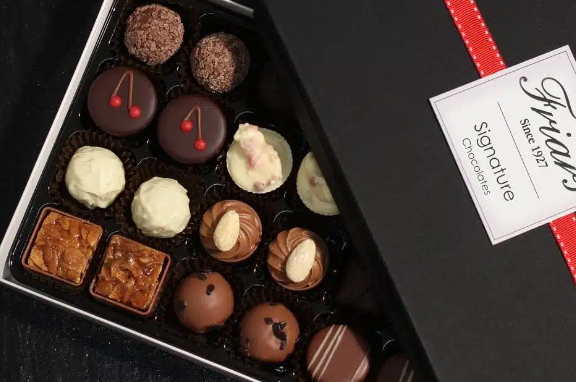
The value of packaging is reflected not only in its placement but also in its use. If consumers experience convenience and pleasure when unpacking, opening, or storing products, they will develop a higher level of brand affinity. Therefore, packaging design needs to consider the entire usage process. For example, gift box packaging can enhance the sense of ritual when unpacking through layered structures; food packaging can incorporate resealable features to improve storage convenience; and electronic products can enhance their professionalism through neat arrangement. These details, though seemingly small, directly impact the consumer experience. Packaging that truly balances aesthetics and practicality typically allows consumers to experience the convenience and comfort brought by the design in every use.
Comparison of Packaging That Prioritizes Aesthetics Over Practicality
Packaging that only prioritizes aesthetics may be attractive at first glance, but if the usage process is complex, the information is cluttered, or the protection is insufficient, it can easily reduce consumer satisfaction. Packaging that also considers practicality not only attracts consumer attention but also continuously enhances brand affinity during subsequent use. For example, some packaging is visually complex but difficult to open, causing inconvenience for consumers; while packaging with a reasonable structure and clear information, even with a simple design, will make consumers feel more professional and reliable. This difference illustrates that the true value of packaging design is not “short-term attraction” but “long-term experience.”
Frequently Asked Questions
Q: Does more complex packaging necessarily mean a higher-end feel?
A: No, many high-end packages are actually quite simple.
Q: Does practicality affect aesthetic design?
A: No, excellent design seamlessly integrates function into the visual appeal.
Q: Why do some attractive packages receive poor user reviews?
A: Because of poor user experience; consumers find them inconvenient to use.
Q: Does material selection affect practicality?
A: Yes, materials directly impact protection and user experience.
How Different Products Balance Aesthetics and Practicality?
High-end tea gift boxes enhance their perceived quality and opening experience through a simple appearance and magnetic closure; snack packaging incorporates easy-tear flaps and resealable designs for improved convenience; skincare packaging typically employs a unified visual style and stable bottle structure, balancing a premium feel with comfortable use; e-commerce packaging prioritizes safe transport while enhancing the unboxing experience through a clean internal layout.
Balancing aesthetics and practicality in product packaging design is not simply about putting “good-looking” and “useful” together, but about creating a unified whole. From structure and materials to information layout and the unboxing experience, every detail affects the consumer’s perception. Only when packaging can attract consumers’ attention and bring convenience and comfort in actual use can packaging design truly realize its value and continuously enhance consumers’ recognition of the brand.

