
How to Choose Moisture-Proofing Processes in Liquor Box Printing Knowledge

Liquor boxes not only bear the weight of the product during packaging and transportation, but also need to protect the liquor from the influence of the external environment. Moisture-proof performance is one of the key factors in the design and printing of liquor boxes. A reasonable selection of moisture-proofing processes can extend product life, maintain liquor quality, and enhance packaging grade and brand image.
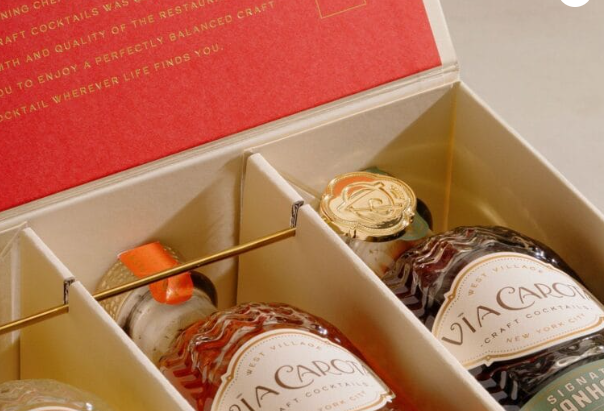
Liquor Box Materials and Moisture-Proofing Requirements
Liquor boxes commonly use high-strength cardboard, corrugated cardboard, or composite materials. These materials have good load-bearing capacity and printability. High-density cardboard can improve the moisture-proofing ability of the box, while composite materials increase moisture-proofing performance through multi-layered structures. Material selection not only affects the moisture-proofing effect but also directly determines the printing effect and durability.
Material selection should consider:
- Load-bearing capacity: Ensure no deformation during multi-layer stacking and transportation.
- Moisture-proofing performance: Prevent external moisture from affecting the liquor bottle and box structure.
- Environmental friendliness: Biodegradable materials conform to the trend of green packaging.
A reasonable combination of materials is the premise for selecting moisture-proofing processes, while ensuring the safety of liquor boxes during transportation and storage.
Combination of Printing and Moisture-proofing Processes
Liquor box printing commonly uses offset printing, flexographic printing, and screen printing. Offset printing can produce high-precision patterns and rich colors, flexographic printing is suitable for mass production and puts less pressure on the cardboard, and screen printing is used for local decoration or special effects.
When combining moisture-proofing processes with printing processes, it is necessary to ensure that the printing inks and coatings do not affect the moisture-proof performance of the box. Thick ink or too many hot stamping areas may increase the risk of local moisture absorption; therefore, the printing method and pattern layout must be reasonably arranged during the design phase.
Introduction to Common Moisture-proofing Processes
The main moisture-proofing processes for liquor boxes include lamination, waterproof coating, and lamination.
- Lamination: Glossy or matte film can improve the moisture-proof performance of the cardboard while protecting the printed pattern from wear.
- Waterproof Coating: Applying waterproof material to the surface of the box can effectively isolate air moisture and ensure that the liquor packaging remains dry.
- Lamination: Through the composite of multiple materials, a moisture-proof layer is formed, improving the overall moisture-proof capability and pressure resistance.
When selecting a moisture-proofing process, it is necessary to consider the usage environment and storage period of the liquor box to ensure that the packaging remains dry for a long time.
The Impact of Design Structure on Moisture Proofing
The structural design of the liquor box also affects its moisture-proofing effect. A reasonable folding method and reinforcing rib design can reduce the entry of air and moisture into the box, keeping the interior dry. The design of the lining material or partitions can further improve moisture-proofing performance, while also fixing the position of the bottles to prevent damage during transportation. The design of transparent windows or ventilation holes should be carefully considered to ensure that the display effect does not affect the moisture-proofing function.
Post-processing Technology and Durability
Post-processing after printing can enhance moisture-proofing performance and box durability. Common methods include:
- UV coating: Increases surface hardness, prevents printing fading, and improves moisture resistance.
- Localized lamination or embossing: Focuses on protecting moisture-prone areas of the box, improving durability.
- Ink optimization: Selecting water-based or environmentally friendly inks reduces the possibility of moisture absorption.
The combination of post-processing technology and moisture-proofing ensures that spirits boxes remain stable and dry during transportation and storage.
Transportation and Storage Considerations
Spirits boxes often face humid environments and multi-layer stacking pressure during transportation and storage. Scientifically designed moisture-proofing processes and structures can reduce moisture intrusion and maintain the quality of the spirits. Choosing environmentally friendly materials and durable coatings also helps extend the lifespan of the boxes, ensuring brand image and consumer experience.
Market Trends and Innovation
As competition intensifies in the spirits market, high-end spirits packaging increasingly emphasizes both moisture-proof performance and aesthetics. Innovative moisture-proofing materials, intelligent printing technology, and multi-layered structural applications give spirits boxes both visual impact and long-term product protection. In the future, moisture-proofing technology will play an even greater role in enhancing brand value and transportation safety.
The printing and moisture-proofing processes of spirits boxes are closely related. From material selection, printing processes, structural design to post-processing, every step affects the moisture-proofing performance of the packaging. Mastering the selection methods for moisture-proofing processes can ensure that spirits maintain their quality during transportation and storage, build a high-end brand image, and improve consumer satisfaction.

