
How to Control Color Reproduction in Garment Box Printing

In custom garment boxes, color is not only a crucial component of visual appeal but also directly impacts brand image. High-end garment boxes have extremely high requirements for color reproduction; any color deviation in printing will lower the packaging’s perceived quality and negatively affect the consumer experience. Therefore, mastering color reproduction control methods is an indispensable part of garment box printing knowledge.
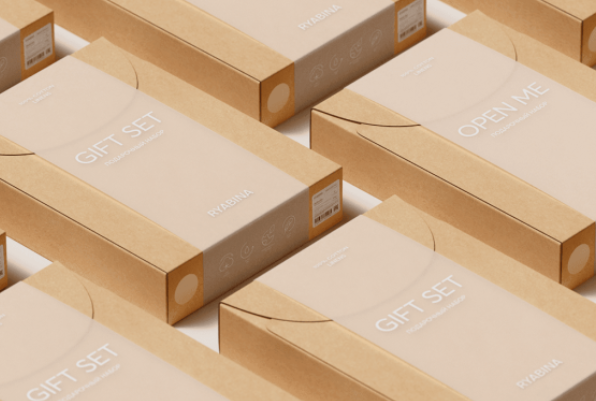
Choosing the Right Material
The paper or special materials used in garment boxes affect the absorbency and color performance of printing inks. Different materials have varying ink absorbency and surface smoothness, directly determining color saturation and reproduction. For example, coated paper has a smooth surface and high color saturation, suitable for printing delicate patterns and brand logos; grey board paper is rigid and has strong ink absorbency, but the color may be darker. Selecting printing inks and processes based on material characteristics can effectively control color reproduction.
Using High-Quality Inks
The choice of printing ink has a direct impact on color reproduction. Ordinary inks are prone to color deviation, while high-quality inks have high color saturation and stability, allowing for more accurate reproduction of the colors in the design. For high-end garment boxes, specialized environmentally friendly inks or high-gloss inks can be selected to ensure that the finished product remains vibrant and consistent under different lighting conditions.
Proofing and Color Correction
Proofing is a crucial step in color control. Proofing allows for the detection of color differences before production, enabling timely adjustments to ink ratios and printing parameters. Common methods include:
- Digital proofing: quickly verifying the design colors
- Sample proofing: simulating actual production effects to ensure color consistency during mass printing
- Color Management System (CMS) correction: using professional software for color analysis and adjustment.
Proofing and correction can significantly improve color reproduction and prevent color deviation problems during mass production.
The Influence of Printing Processes on Color
Different printing processes have significantly different effects on color reproduction. Offset printing is suitable for large areas of color blocks and provides stable colors; gravure printing is suitable for high-precision patterns and offers high color saturation; UV spot printing can increase local brightness and depth. Choosing the appropriate printing process based on the garment box design helps improve the overall color reproduction effect.
During the printing process, printing parameters and equipment status are equally important. Color deviations can be caused by uneven ink thickness, excessive printing pressure, or unstable temperature control. Regularly calibrating the printing press, controlling ink volume and pressure, and using high-precision printing equipment can ensure color stability during production.
The Influence of Light and Packaging Surface Treatment
The surface treatment of garment boxes also affects color perception. For example, lamination, matte lamination, or glossy lamination can alter color brightness and saturation. Glossy surfaces make colors more vibrant but are more reflective; matte finishes result in more subdued colors but reduced saturation. During the printing design stage, appropriate surface treatments should be selected based on the packaging style, and color ratios should be adjusted to ensure the final color matches the brand image.
Mass Production and Color Consistency
Even with controlled proofing and equipment, slight color differences may still occur in mass production. To ensure overall consistency, standardized printing processes need to be established, raw material batches and ink ratios strictly controlled, and online color detection performed. This allows for timely detection of deviations during production, ensuring that the color of each batch of garment boxes matches the design.
Mastering the control methods for color reproduction in garment box printing is key to ensuring high-end packaging quality. By selecting appropriate materials, using high-quality inks, prototyping and correction, choosing reasonable processes, optimizing surface treatment, and strictly controlling batch production, accurate color reproduction can be achieved, making garment boxes more visually appealing and valuable to the brand.

