
How to Create a Consistent Packaging Style for Multiple Product Lines?

When a business expands from one or two products to multiple product lines, packaging design becomes more than creating a separate box for each item. Classic products, entry-level products, seasonal editions, and premium collections may target different audiences and require different presentation styles. If every box uses exactly the same visual approach, the products can lose their individual character. On the other hand, completely redesigning the packaging every time a new product launches can make it difficult to establish a recognizable brand identity. A practical approach is to define the role of each product line first, then decide which design elements they should share and which features should make each collection stand out. This creates a cohesive look while giving every product line its own identity.
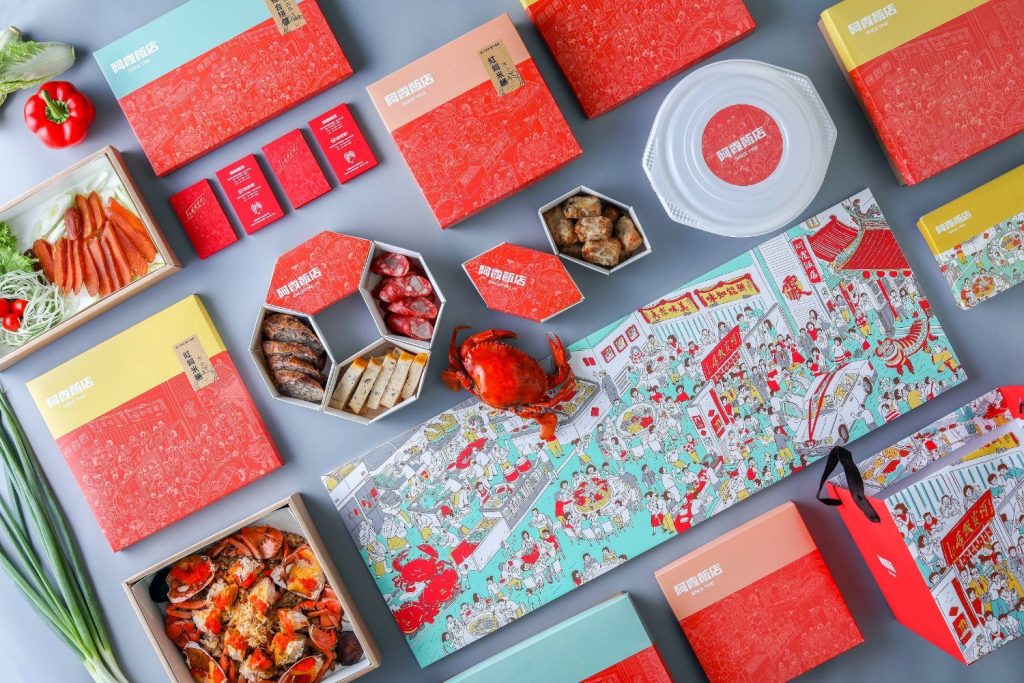
How Should Packaging Boxes Differ Across Product Lines?
Product lines do not have to rely on different colors to stand apart. Their positioning, intended use, and target sales channels can guide the design, while the overall visual style remains consistent.
- Everyday products: Keep product names and key functions clear and easy to read.
- Premium products: Use refined graphics and carefully considered details.
- Limited editions: Introduce themed illustrations, distinctive patterns, or seasonal elements.
- Gift sets: Emphasize the relationship between items and the overall presentation.
During planning, write a short positioning statement for each product line to clarify the impression it should create. This gives designers a clear direction, helps prevent every box from looking the same, and reduces repeated revisions later.
How Can Product Line Packaging Adapt to Different Sales Channels?
The same product may need different packaging depending on whether it is sold through an online store, a physical retail shop, or a gift channel. E-commerce packaging needs to account for shipping and the unboxing experience. Retail packaging should make products easy to recognize on shelves, while gift packaging places greater emphasis on presentation and the gifting experience. When designing multiple product lines, identify the main sales channels before deciding which information deserves the most attention on the front panel. Products sold on shelves need readable names and key selling points. Gift sets benefit from a layout that presents the collection clearly, while products frequently shipped by courier need enough space for protective packaging. This approach makes the design more suitable for real sales conditions rather than simply attractive in a mockup.
How Can You Plan Packaging Sets and Display Layouts for Multiple Products?
When different product lines appear together on retail shelves, in display cabinets, or in product catalogs, their proportions and visual balance deserve careful consideration. Boxes do not need to share exactly the same structure. Instead, size combinations, recurring graphic elements, and consistent collection naming can help connect them.
| Product Combination | Packaging Design Approach | Display Goal |
| Individual products | Keep front-panel information clear | Make products easy to identify |
| Multi-item sets | Plan how products fit together | Create a neat, layered unboxing experience |
| Seasonal gift boxes | Highlight the theme and contents | Suit retail displays and gifting |
| Different size options | Create visual links between sizes | Make product comparisons easier |
- Plan the overall display: Make sure different boxes look coordinated when placed side by side.
- Leave room for new products: Consider future product categories during the initial design stage.
- Check the inside of each set: Arrange multiple items carefully to avoid a cluttered unboxing experience.
One detail that is easy to overlook is that an attractive front panel does not guarantee a good overall display. Comparing box proportions across all product lines in one layout can reveal which products look out of place and which designs need adjustment.
How Can Custom Packaging Design Reduce Future Revisions?
Product lines often change over time. Names may be updated, new sizes introduced, or limited editions added. Reworking the entire design for every change increases both production time and communication costs. Before approving the designs, separate the elements that should remain consistent from those likely to change.
- Standardize collection names: Keep product and series naming conventions consistent.
- Separate variable information: Manage sizes, flavors, and model numbers independently.
- Organize design versions: Clearly distinguish approved files, revisions, and discontinued versions.
- Plan for future launches: Check that new products fit the positioning of the existing collection.
For businesses planning regular product launches, packaging should allow room for future expansion from the beginning. There is no need to wait until the product range grows before organizing the design system. If you are developing packaging for multiple products, share your product categories, sales channels, planned collections, and existing design materials with us. We can discuss the visual relationships between product lines, packaging combinations, and customization options based on your products, helping each design stand out while keeping the entire collection cohesive.