
How to Create High-Quality Product Packaging Design on a Budget?

Many people mistakenly believe that “quality = high cost” in product packaging design, thinking that only expensive materials and complex processes can create high-end packaging. However, in the actual market, many high-quality packages don’t actually cost much. What truly determines the quality of packaging isn’t the price, but whether the design is reasonable and has clear visual principles. The key to creating high-quality packaging on a budget isn’t “piling on materials,” but “simplification.” By controlling colors, optimizing layout, unifying the style, and reinforcing key information, even using ordinary materials can create a high-end effect.
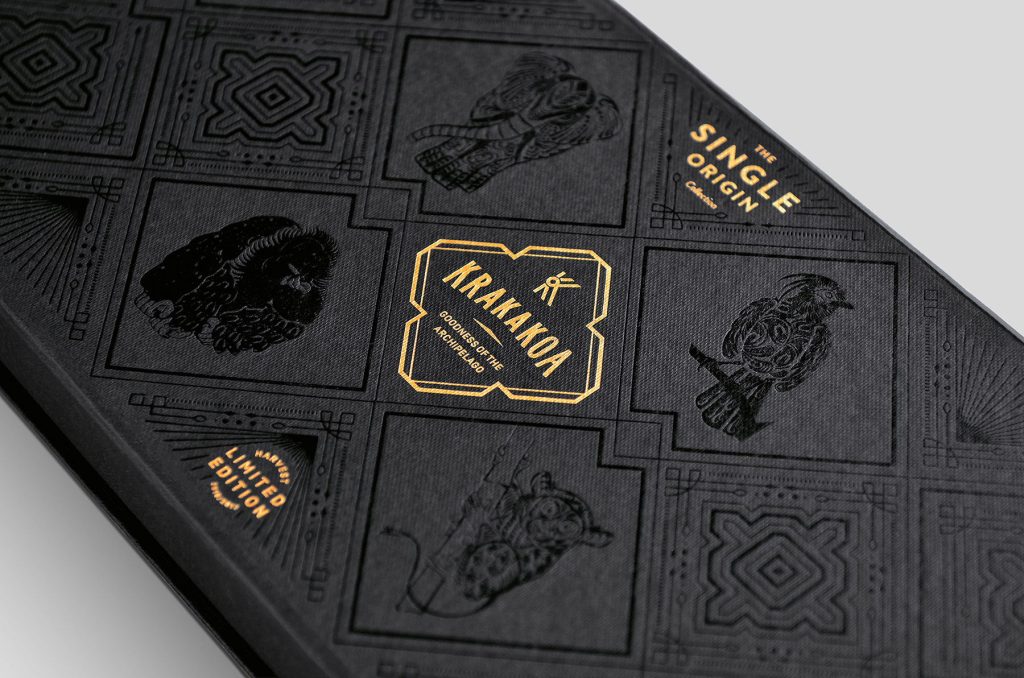
Consumers judge quality more based on visual order and overall cleanliness than the price of individual materials. Another crucial point for high-quality packaging is that it “looks professional.” As long as the packaging design is consistent, the information is clearly conveyed, and the visuals aren’t overly cluttered, it will build consumer trust. This trust itself is a significant source of “high-end” appeal. Therefore, the core of low-budget packaging design isn’t lowering standards, but rather expressing value in a smarter way.
Core Methods for Enhancing Packaging Quality at Low Cost
Reduce Visual Burden with Minimalist Design
Minimalist design is one of the most effective ways to enhance quality at a low cost. Complex designs not only increase production costs but also easily make the visuals appear cluttered, while simple designs are more likely to present a sense of sophistication. Unnecessary patterns, decorations, and information can be reduced, retaining only the core content. For example, the brand name, product name, and key selling points can be highlighted through clear layout. The more reasonable the white space, the stronger the visual breathing effect, and the higher the overall quality. Minimalism is not blankness, but logical control.
Control the Number of Colors to Establish a Unified Visual Appeal
The more colors there are, the more difficult it is to control costs, and the easier it is to appear cheap. Therefore, low-cost packaging is more suitable for using a single main color or a small number of color schemes. For example, using a combination of “main color + black and white auxiliary colors” can improve overall unity without increasing costs. The more restrained the colors, the cleaner the visuals, and the easier it is for the packaging to present a sense of sophistication. Unified colors can also help the brand form a memorable point, which is a very important point in low-cost design. (3) Optimize Layout for Clearer and More Professional Information
Layout is a crucial factor influencing the overall quality, yet it adds almost no extra cost. Many low-quality packaging problems stem not from inferior materials, but from disorganized information. Adjusting font size, spacing, and alignment can create a cleaner overall look. For example, prominent headings and clear information layering allow consumers to grasp the key points at a glance. The more orderly the layout, the more professional the packaging appears. Even using ordinary paper can enhance the overall sense of quality.
Create High-End Visual Effects with Basic Materials
Low cost doesn’t mean no quality; the key lies in the rational use of materials. Ordinary paper can achieve excellent results through design. For instance, matte paper appears more upscale than glossy paper, and kraft paper conveys a natural texture. Furthermore, controlling the printing area instead of covering the entire page can reduce costs and enhance the design. For example, partial printing emphasizes the key points more effectively than full-page printing. Materials don’t have to be expensive, but they must be used appropriately.
Use Detailed Techniques for Low-Cost Enhancement
Even with a limited budget, quality can be enhanced through minimal techniques rather than using high-cost techniques across the board. For example, partial UV coating, simple embossing, or single-point hot stamping can enhance visual appeal without significantly increasing costs. When used properly, these techniques can become “visual highlights” without creating overall cost pressure. The key is “less is more,” not “more and more.”
Establishing a unified brand visual system to enhance overall impression
Even if the cost of individual packaging is low, a unified overall visual system can create a sense of sophistication. A brand visual system includes color, font, layout, and style. When all products use a consistent design logic, even with ordinary materials, consumers will perceive it as a professional brand. This consistency itself enhances trust, and trust is a crucial component of a sophisticated image.
The effect of low-quality versus high-quality packaging
Low-quality packaging often suffers from chaotic colors, information overload, and disordered layout. Even with high-cost materials, it can easily appear cheap. High-quality packaging, even with ordinary materials, can present a sense of professionalism through simple design and clear logic. In consumer perception, the former is easily overlooked or even leads to reduced trust, while the latter is more easily remembered and generates a purchase intention.
Frequently Asked Questions about Low-Budget Packaging Design
Q: Is it necessary to use high-end materials to appear sophisticated?
A: No, ordinary materials can also have their quality enhanced through design.
Q: Are fewer colors always better?
A: Generally speaking, yes. A more unified look tends to appear more sophisticated.
Q: Will the finishing process significantly increase costs?
A: A few subtle finishing techniques can enhance the quality without drastically increasing costs.
High-Quality Low-Budget Design Approaches for Different Products
For example, coffee packaging can use kraft paper with simple black lettering, appearing naturally sophisticated even at a low cost; snack packaging can enhance neatness with a monochrome background and clear layout; skincare packaging using a minimalist white design with subtle gold accents can also create a sense of quality; cultural and creative products can also enhance their overall quality through a unified visual style and simple structure.
The key to creating high-quality product packaging design on a low budget is not increasing investment, but optimizing visual expression through design strategies. From color control and layout optimization to material selection and finishing touches, each step can improve the overall quality without significantly increasing costs. True sophistication comes from unity and order, not from simply piling on price. With proper design, even with a limited budget, it is possible to create high-quality packaging that is competitive in the market.

