
How to Cultivate Creative Packaging Design Abilities?

In the modern design industry, packaging design is no longer just a simple combination of graphics and structures; it’s a comprehensive creative expression. Excellent packaging design requires visual aesthetics, structural thinking, brand understanding, and consumer insight. Therefore, cultivating creative packaging design abilities is not something that can be achieved overnight, but rather a long-term process of accumulation and continuous practice. Designers need to observe the market, study excellent examples, understand product characteristics, and constantly try new design methods to gradually form their own creative thinking system.
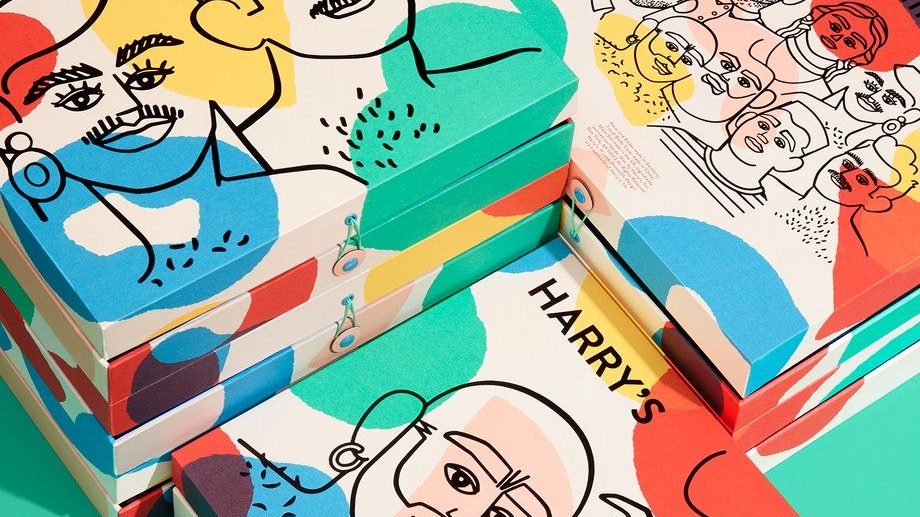
Creative ability doesn’t entirely depend on talent; it stems more from continuous learning and practice. When designers encounter more design examples, understand creative expressions from different fields, and integrate these elements into their own design thinking, creativity gradually takes shape. At the same time, creativity also needs to be combined with business logic and user needs; otherwise, even the most innovative design will be difficult to truly apply to the market. In practical work, designers can improve their creative abilities in various ways, such as broadening their design horizons, learning cross-disciplinary design, accumulating knowledge of materials and processes, and cultivating systematic thinking. Through these methods, designers can not only generate more creative inspiration but also transform their ideas into feasible design solutions.
Observing Excellent Design Cases
Studying excellent design cases is an important way to cultivate creative abilities.
Designers can analyze the visual expression and structural characteristics of different brands’ packaging designs. For example:
· Study the packaging styles of high-end brands
·Observe the design differences between different categories such as food, cosmetics, and electronic products
· Analyze the colors, graphics, and typography used in the designs
By analyzing case studies, one can understand the principles behind the design, thereby inspiring new creative ideas. At the same time, looking at design works from different countries and regions can broaden design horizons and enrich creative thinking.
Enhancing Visual Aesthetic Ability
Creative packaging cannot exist without a solid aesthetic foundation.
Designers can enhance their aesthetic ability in the following ways:
· Pay attention to design exhibitions, artworks, and visual culture
· Study color matching, layout design, and graphic composition
· Analyze the visual systems of excellent brands
When designers have higher visual judgment, they can better grasp proportion, color, and style in their designs, making creative expression more mature.
Deeply Understanding Product Characteristics
Creative packaging design needs to be closely integrated with product attributes.
Before designing, designers need to understand:
· Product functions and usage
· Target consumer group
· Core selling points of the product.
Through a deep understanding of the product, its characteristics can be transformed into visual elements or structural designs. For example, products emphasizing natural attributes can be expressed through natural colors or textures; products emphasizing a technological feel can be represented through simple lines and metallic textures.
Learning about materials and processes
Materials and processes are crucial components of packaging design. Designers need to understand the characteristics of different materials and processes, such as: different paper materials like specialty paper, kraft paper, and metallic paper; printing processes like hot stamping, embossing, and spot UV coating; and cutout, folding, or layered structural designs. When designers are familiar with materials and processes, they can create more variations in their designs, allowing creativity to be reflected not only in graphics but also in touch and structure.
Cultivating cross-disciplinary thinking
Creativity often comes from the fusion of different fields.
Designers can draw inspiration from the following areas:
Art and design: Painting, sculpture, and illustration provide visual inspiration for packaging.
Architectural design: Spatial structure and proportions can inspire packaging shapes.
Fashion Design: The combination of clothing patterns and materials can inspire creative expression.
Cross-disciplinary thinking can break traditional design frameworks, making packaging design more fresh and unique.
Focus on User Experience
Excellent packaging design should not only be aesthetically pleasing but also functional.
Designers can consider the following from a user experience perspective:
· Is opening the box smooth?
· Is the packaging easy to carry?
· Does it have collectible or reusable value?
By focusing on user experience, more creative details can be incorporated into the design, such as unique opening structures or reusable packaging formats.
Continuous Practice and Application
Creative abilities need to be continuously strengthened through practice. Designers can practice in the following ways: try multiple design schemes for the same product; participate in different types of design projects; conduct personal creative exercises or design challenges. Continuous practice allows designers to gradually develop their own design style and improve their problem-solving abilities.
Build a Creative Resource Library
Inspiration often comes from long-term accumulation. Designers can build their own resource library, for example:
· Collect excellent packaging images
· Save interesting graphic and color combinations
· Record design inspiration found in daily life.
These resources can serve as important references when designing new projects, helping to quickly generate creative ideas.
Cultivating Systematic Design Thinking
Creative design is not only about expressing inspiration but also requires systematic thinking.
Designers need to consider: brand positioning, market environment, product characteristics, cost, and production feasibility when designing.
Through systematic thinking, creative designs can be both visually appealing and feasible in actual production.
In the field of packaging design, creativity is a comprehensive ability that requires accumulation in areas such as visual aesthetics, product understanding, material knowledge, and user experience. Through continuous learning, observation, and practice, designers can gradually develop their own design methods and creative thinking. Methods for cultivating creative abilities in packaging box design include observing excellent examples, improving aesthetic abilities, deeply understanding product characteristics, learning materials and processes, cultivating cross-disciplinary thinking, focusing on user experience, continuous practice, building a resource library, and forming systematic design thinking. Through long-term accumulation and practice, designers can continuously improve their creative expression capabilities, enabling packaging designs to have unique visual effects while meeting the actual needs of the market and consumers.

