
How to Customize Packaging Boxes for Your Products?

Some products need packaging that catches the eye on retail shelves, while others require easy opening or extra protection against pressure and impact during long-distance shipping. Using a standard box may seem convenient, but it can lead to problems such as difficult opening, poorly arranged accessories, or unnecessary packaging space. To customize packaging boxes that suit your products, start by considering how people will use them. Think about how the product goes into the box, how it is removed, and whether the packaging is easy to store. These details can help guide decisions about box structure, materials, and printing, resulting in packaging that works well instead of simply looking attractive.
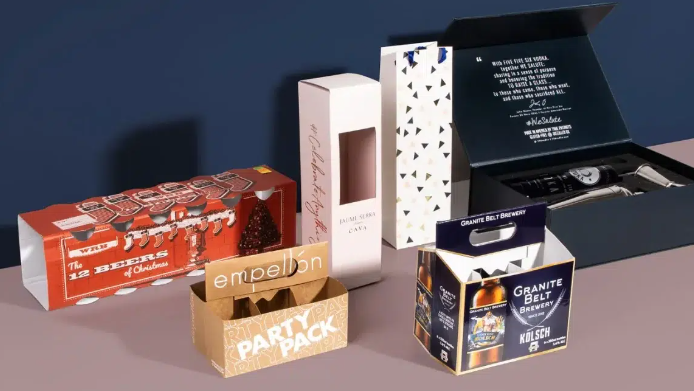
What Packaging Box Styles Can You Choose From?
The box style affects product presentation, opening convenience, and packaging costs. Different products also require different structures. Before finalizing a design, compare these common options.
- Tuck-End Boxes: Suitable for skincare products, daily essentials, and small retail items. Their relatively simple structure makes them easy to fold and store.
- Lid-and-Base Boxes: These boxes have a separate lid and base, creating a more premium unboxing experience. They are often used for gifts, perfumes, and premium product sets.
- Drawer Boxes: Products slide out from an inner tray, making this style suitable for jewelry, small accessories, and items that need organized compartments. Enough clearance must be allowed for smooth opening and closing.
Before choosing a style, try placing the actual product inside the box. For products with multiple accessories, check that each item stays in its designated position. If the packaging will be opened and closed frequently, make sure the lid remains secure over time.
How Can Custom Packaging Design Match Your Product’s Purpose?
Packaging design involves more than adding a logo and product name. It should also reflect where consumers see the product and how they use it. Retail packaging needs clear, easy-to-read information, while gift boxes can focus on the unboxing experience. Product sets should keep all items neatly arranged inside. For packaging that will be opened repeatedly, pay close attention to the lid and insert structure. If products will be shipped directly to overseas consumers, consider external protection and ways to keep the contents in place during transit. Before approving the design, check the artwork alongside the actual product, accessories, and packaging structure. This helps prevent situations where the design looks good on screen but leaves insufficient room when the product is packed.
Which Paper Materials and Printing Finishes Are Best for Custom Packaging Boxes?
Choosing suitable materials helps achieve the desired appearance and functionality. Paper stock, box structure, and printing techniques should be considered together rather than selecting materials based on unit cost alone.
| Customization Item | Common Options | Suitable Applications |
| Paper Materials | White cardstock, kraft paper, paper-wrapped greyboard | Retail products, natural-looking packaging, rigid gift boxes |
| Printing Methods | CMYK four-color printing, spot-color printing | Full-color graphics, specific brand colors |
| Surface Finishes | Matte lamination, gloss lamination, foil stamping, spot UV | Different levels of shine, texture, and decorative effects |
| Interior Structures | Paper inserts, dividers, foam inserts | Securing products, separating accessories, reducing movement |
- White cardstock works well for detailed designs. If the packaging includes product images, illustrations, or plenty of text, white cardstock is worth considering. Kraft paper is another option for a simple, natural appearance.
- Rigid gift boxes need a well-planned structure. Paper-wrapped greyboard creates a sturdy box, but the board thickness, box dimensions, and opening style all affect the finished result.
- Choose printing finishes based on the design. Foil stamping can highlight a logo or title, matte lamination reduces surface glare, and spot UV draws attention to selected graphics. There is no need to use every finish on the same box.
What Should You Check Before Approving a Packaging Box Sample?
Check the finished dimensions. Make sure the product and all accessories fit inside the box without unnecessary pressure when the lid is closed.
- Review the print files. Common prepress guidelines include 3 mm bleed on each edge, image resolution of 300 DPI, and a safe margin of around 3–5 mm between important text or logos and the cutting line. The final specifications should follow the manufacturer’s dieline.
- Test opening and storage. Check that the lid opens smoothly and the insert can be removed easily. For shipping boxes, also make sure the package remains secure after sealing.
- Confirm colors and surface finishes. The paper itself can affect how colors appear, while special finishes may change the final shine and texture. Reviewing a physical sample before production is more reliable than judging the design on a screen alone.
If you are looking for custom packaging boxes for your products, send us your product photos, dimensions, intended use, and design ideas. We can discuss suitable box styles, materials, printing options, and interior structures based on your needs. You can also share an existing packaging sample to help ensure the new design fits your product’s use and presentation requirements.