
How to design a packaging box that’s easy to assemble?

A packaging box may look simple, but things can get complicated once it reaches the packing station. How many times does the bottom need to be folded? Does it need tape? Will the lid pop open? Can a new worker assemble it without special training? When hundreds or even thousands of boxes are packed every day, these small actions can quickly turn into significant labor costs. In our own packaging projects, we do not judge an easy-to-assemble box by appearance alone. How quickly and smoothly it can be assembled is a much more practical measure.
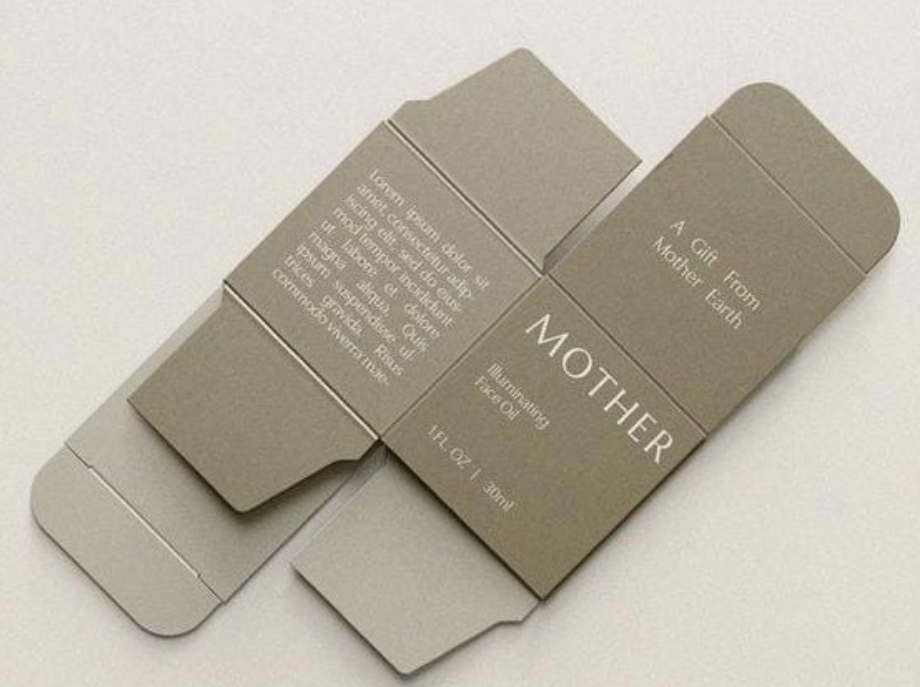
What Packaging Box Structures Are Easier to Assemble?
When designing packaging boxes, we first look at how many actions are required from the person doing the packing. A structure that requires repeated folding, finding tabs, and applying tape may look great when finished, but it can slow down the packing process when used at scale.
- Auto-bottom boxes: The bottom is pre-glued and locks into place when the box is opened, making this structure suitable for packaging that needs faster assembly.
- Tuck-end boxes: The structure is relatively simple and easier to control in terms of production cost, making it suitable for lightweight products and lower-volume packing operations.
- Self-locking mailer boxes: Tabs and slots hold the box together without extra tape, making them suitable for e-commerce shipping and quick packing.
- Tab-lock structures: Locking tabs fit into slots to secure the box. The clear locking action makes this structure useful when reducing glue or tape is a priority.
Once the box style is selected, the crease positions, tab length, and locking-slot width still need to be tested together. A structure may look fine on a dieline but feel awkward during actual packing. Sampling is where these problems usually become obvious.
How Can You Design a Packaging Box to Reduce Packing Steps?
What often matters most for packing efficiency is simple: how many times do the worker’s hands need to move? If a box takes four or five steps to assemble, repeating those actions hundreds of times a day quickly adds up.
- Reduce repeated folding: If one push can complete the action, avoid splitting it into several manual folds.
- Reduce tape use: Use locking tabs, tuck-in tabs, or pre-glued structures where possible to reduce the need to pick up, cut, and apply tape.
- Make the locking points easy to find: Tabs and slots should have a clear insertion direction so workers do not need to adjust them repeatedly.
- Control lid resistance: A lid that is too loose may open during shipping, while one that is too tight can slow down assembly. Test repeated opening and closing during sampling.
In our own projects, when existing packaging requires several box sizes and repeated manual folding, we usually evaluate whether the number of box styles can be reduced. Auto-bottom or adjustable structures can also help cut down assembly steps. The goal is to redesign the box around the product dimensions, packing workflow, and warehouse operation instead of simply copying an existing structure.
What Details Can Cause Problems in Easy-to-Assemble Packaging Box Design?
An easy-to-assemble box is not simply a matter of adding fewer crease lines. Paperboard thickness, crease depth, tab size, glue placement, and box dimensions all affect how the finished structure works. Auto-bottom and tab-lock structures are especially sensitive to small dimensional differences. During sampling, we check the paper thickness, locking clearance, and tab engagement together instead of judging the structure from the dieline alone.
| Test Item | What to Check | Common Problems |
| Paperboard thickness | Whether the board works for folding and load-bearing | Too thick makes tabs difficult to insert; too thin can cause the bottom to deform |
| Crease depth | Whether the folds are clear and easy to make | Shallow creases are difficult to fold; excessive creasing can cause cracking |
| Locking clearance | Whether the tab enters and locks smoothly | Too little clearance makes assembly difficult; too much can cause loose locking |
| Tab engagement | Whether the bottom or lid stays securely locked | Tabs may spring back or slots may release |
| Glue placement | Whether pre-glued areas are strong without affecting box forming | Excess glue, weak bonding, or box deformation |
| Repeated assembly | Whether speed and stability remain consistent | The first few samples work well, but problems appear during batch assembly |
Once these items have been checked, the structure still needs a real assembly test. A box can meet individual specifications and still feel awkward when assembled repeatedly. During sampling, I prefer to give the box to the people who actually handle packing rather than having only the design team review it. Assemble 10, 20, or more boxes and check whether the process becomes repetitive or difficult. Then inspect the bottom for spring-back and the lid for looseness. If a new worker can assemble the box quickly without special training, the structure is usually a much better fit for mass production.
Which Easy-to-Assemble Box Structure Works for Different Products?
Different products have different weights and usage conditions, so there is no reason to force every product into the same box structure. Lightweight retail products can often use tuck-end or self-locking structures, while heavier products may need an auto-bottom or reinforced locking structure. Cosmetics, food, electronic accessories, and e-commerce mailer boxes can all be evaluated based on assembly speed and bottom load requirements.
- Lightweight retail products: Tuck-end and tab-lock boxes are suitable choices. Pay close attention to how smoothly the lid opens and closes.
- E-commerce mailer packaging: Self-locking mailer boxes can reduce tape use and keep opening, loading, and closing steps simple.
- Medium-weight products: Auto-bottom boxes work well for frequent packing because the bottom locks into place without additional manual folding.
- Heavy products or glass items: Reinforced auto-bottom structures are worth testing, with extra attention to bottom strength and locking stability during shipping.
If the daily order volume is high, I prefer to calculate how many seconds it takes to assemble one box before comparing unit prices. A box that costs a few cents more may still reduce the overall packaging cost if it saves a large number of repetitive packing actions every day.
The real goal of easy-to-assemble packaging box design is to create a structure that workers can use quickly and comfortably while remaining stable during repeated packing. Auto-bottom, self-locking, and tab-lock structures can all reduce manual work, but the right choice depends on the product weight, box dimensions, and packing process. When developing custom packaging, do not judge a sample by appearance alone. Assemble a batch, record the packing time, and check whether the bottom and lid remain secure. Once this test is complete, it becomes much easier to see which structure is ready for mass production.

