
How to Design Effective Packaging?

In the modern consumer market, packaging design has evolved from simply enhancing appearance to becoming a crucial component of brand building. Whether displayed online or in physical stores, packaging is often the first thing consumers encounter. It’s the product’s “outer garment,” the first impression of the brand, and a key factor influencing purchasing decisions. Many consumers don’t have the opportunity to experience the product beforehand and rely on packaging to judge its quality, positioning, and reliability. Therefore, excellent packaging design can quickly build trust, guide choices, and even directly determine sales results.
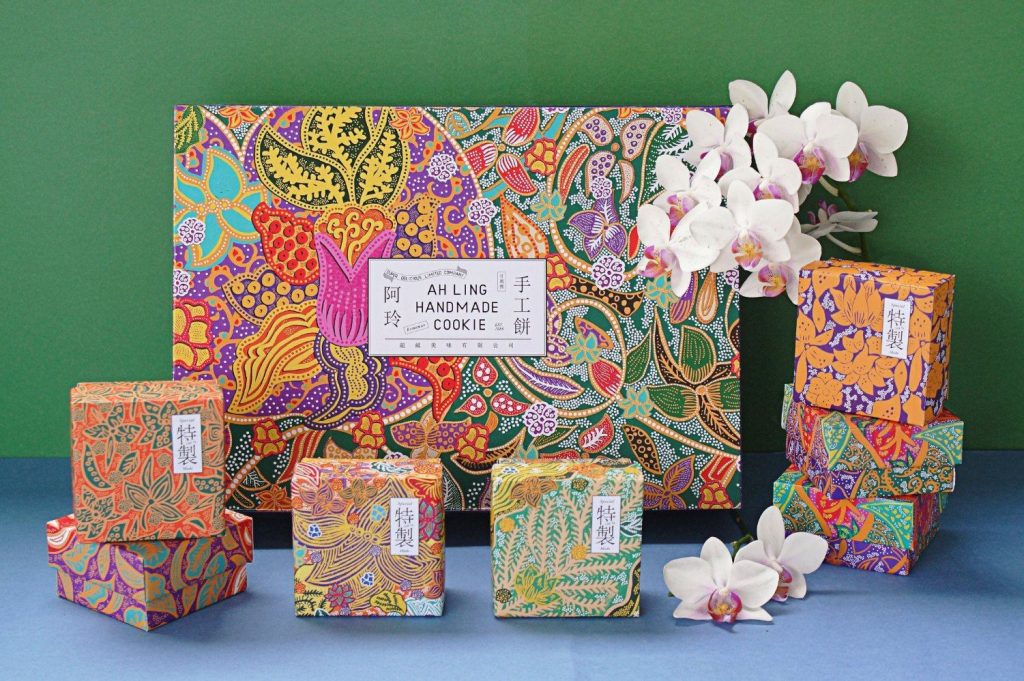
However, effective packaging design is not simply about drawing layouts or adding decorative elements. It involves market positioning, user needs, visual expression, structural functionality, material selection, and production processes. Improper handling of any aspect can negatively impact the overall effect. Overly complex designs may increase costs; unclear information may hinder readability; and an illogical structure may reduce the user experience.
Define Your Target Audience
Before designing, you must first consider your target audience. Different products target different consumers, so their packaging styles will naturally differ. If the positioning is unclear, the design is likely to go astray.
Simple Judgment Methods:
Selling to young people → Lively and fashionable
Selling to families → Gentle and friendly
High-end market → Simple and exquisite
Children’s products → Cute and fun
Positioning determines language. A consistent style allows consumers to quickly understand product attributes.
Information Organization
Packaging often contains a lot of text; without organization, it will appear cluttered. Before designing, list key information and prioritize it. Basic order: Brand name most prominent, product name next, highlight selling points, simplified descriptions. Clear information hierarchy makes reading easier. Good design is always orderly.
Visual Design
As the first thing consumers see, visual design must be unified, simple, and memorable. Visual expression includes color, graphics, typography, and layout. You can start from three aspects: avoid excessive colors, have thematic graphics, and have a distinctive font style. Visual clutter lowers the sense of quality, while clean and clear designs gain trust more easily. Attracting attention is the primary task of packaging.
Packaging Requirements
Packaging must be not only aesthetically pleasing but also practical. Many designs only focus on the visual effect, neglecting the actual user experience. Excellent packaging must be easy to open, carry, and store.
Common optimization methods:
① Easy-tear design
② Press or pump head structure
③ Resealable
④ Portable size
⑤ Stable and not easily tipped over
Consumers are more likely to have a positive impression when using it smoothly. Ease of use is more important than complexity.
Material Selection
Materials directly affect the first impression. Different materials convey different impressions: paper is natural and environmentally friendly; glass is clean and high-end; metal is refined and cool; plastic is lightweight and economical. Choose appropriate materials based on product positioning, while considering cost and environmental friendliness. Packaging with a good feel is more likely to convey professionalism and reliability. Tactile experience is also part of the design.
Cost Control
Designs must be feasible. Overly complex structures or processes may increase production costs and affect selling prices. Therefore, a balance needs to be found between creativity and cost. Several points to note: reduce unnecessary processes, control printing colors, avoid wasting materials, and choose mature technologies. Good design is not the most expensive, but the most suitable. A design that is both beautiful and economical has commercial value.
Detail Refinement
The real difference often lies in the details. For example, are the edges and corners neat? Is the printing clear? Does it open and close smoothly? Are the labels secure? Are the proportions harmonious? These small details determine the overall impression. Rough details directly reduce trust, while refined processing significantly enhances the perceived quality.
Packaging design, from product positioning to information organization, from visual presentation to structural design, from material selection to cost control, requires careful consideration and repeated refinement at every step. Only by understanding user needs and the market environment can design truly be effective. The goal of packaging is not simply to look good, but to help the product express its value more clearly, making it easier for consumers to make choices.
At the same time, excellent packaging often presents a sense of restraint and order. It is neither overly decorated nor excessively complex, but rather embodies professionalism in simplicity and quality in details. When visual appeal, functionality, and experience are balanced, packaging naturally becomes attractive. For designers, instead of pursuing flashy effects, it’s better to start with the fundamentals and ensure every aspect is solid. Packaging created in this way is not only practical but also possesses long-term competitiveness, truly creating value for the brand.

