
How to Design Minimalist Packaging Boxes with a Premium Look?

The biggest challenge with minimalist packaging isn’t making the design simple. It’s spending money on a custom box only to have it look like an ordinary cardboard package. You might choose elegant gray, ivory, or black, yet the finished box still feels plain. Adding gold foil stamping may seem like a good way to make it look more premium, but too many decorative elements can take away from the clean design. Good packaging box design doesn’t need complicated graphics. When colors, typography, paper, and box structure work well together, even a simple design can look refined. For cosmetics, food, gifts, and e-commerce products, packaging should communicate the product’s positioning at a glance while providing adequate protection, a pleasant user experience, and reasonable production costs.
What Colors Make Minimalist Packaging Boxes Look Premium?
Color has a direct impact on consumers’ first impressions. Minimalist design doesn’t have to rely on black, white, and gray alone. The key is to create a clear visual hierarchy between the main color, secondary colors, and text. With the right combination, packaging can look clean and appealing without elaborate graphics.
- Ivory and Warm Gray: These colors work well for skincare, scented products, tea, and lifestyle goods. They create a soft, natural appearance and pair well with simple typography and understated brand logos.
- Black and Gold: This combination suits perfume, jewelry, and gift packaging. Gold can be used for logos, fine lines, or key text. Covering the entire box in gold details may make the design feel too heavy.
- Earth Tones and Kraft Brown: These colors suit products that emphasize natural ingredients, handmade qualities, or a simple lifestyle. The texture of the paper itself can become part of the design, reducing the need for extra graphics.
- Tone-on-Tone Colors: If your brand already has a signature color, using lighter and darker shades of the same color can create depth without making the packaging look busy.
Once you’ve chosen a color palette, don’t rush straight into mass production. Colors on a screen may look different from the printed result. Check a physical print sample, especially when using subtle shades such as light gray and creamy white, where even small color differences can affect the overall appearance.
How Can White Space, Typography, and Materials Improve Minimalist Packaging Design?
The goal of minimalist packaging isn’t to remove every detail. It’s to make sure each element has a clear purpose. The product name, brand logo, essential information, and decorative details should have a clear visual hierarchy. Crowded text can make a box look cheap, but shrinking everything to a tiny size won’t automatically make it look premium. White space should improve readability and visual balance rather than simply leave large areas empty.
Keep the number of font styles under control. The product name can stand out, while supporting information should remain easy to read. If the packaging needs to display ingredients, product specifications, instructions, or a barcode, plan the layout in advance instead of squeezing everything in after the design is complete.
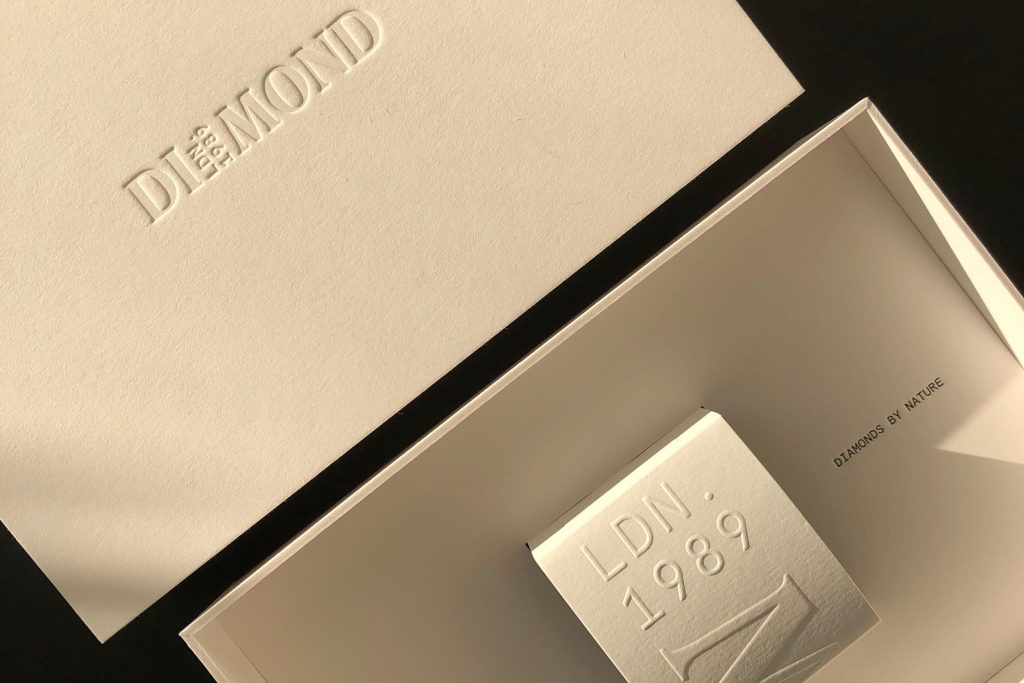
Materials matter just as much. The same design can look very different on ordinary coated paper and paper with a fine texture. A matte finish creates a softer appearance, embossing adds tactile detail, and selective foil stamping can draw attention to a brand logo. Rather than using every available finishing technique, choose the paper first and then decide which decorative detail genuinely improves the design.
Which Paper Materials and Printing Techniques Are Best for Minimalist Packaging Boxes?
Paper and finishing techniques affect a box’s appearance, feel, structural strength, and cost. A presentation gift box has different requirements from a shipping box. Before selecting materials, consider the product’s weight, packaging purpose, and expected order quantity.
| Design Requirement | Suitable Materials or Techniques | What to Consider |
| Clean, colorful packaging | White paperboard, offset printing, or digital printing | Color consistency in light areas and text clarity |
| Natural, understated appearance | Kraft paper or uncoated paper | The paper’s base color can affect printed colors |
| A firm, structured gift box | Greyboard wrapped with printed paper | Box thickness, corners, and opening experience |
| Highlighting a brand logo | Selective foil stamping, embossing, or spot UV | Keep decorative effects focused and restrained |
| Packaging for courier delivery | Corrugated board with suitable inserts | Compression resistance, cushioning, and product stability |
How Do You Choose the Right Paper Weight?
Paper weight affects stiffness, feel, and overall package weight, but the number alone doesn’t determine whether a material is suitable. For cosmetics packaging, 350 gsm paperboard paired with a matte finish and gold foil stamping can create a clean, refined appearance. This combination can serve as a starting point for design planning, but the final choice should depend on the box dimensions, paper type, and product weight. Larger boxes or packages containing heavier products may need additional structural support.
How Can You Control Costs When Choosing Printing Techniques?
- Digital printing is useful for design testing and small production runs, with fewer setup requirements for some projects.
- Offset printing suits many standard full-color packaging applications. Consider order quantity, color requirements, and initial setup costs before choosing it.
- Foil stamping and embossing can highlight important details without covering the entire box.
- For multiple packaging versions, using a consistent box structure and layout while changing only the necessary text or graphics can reduce repeated design work.
Production planning is also worth discussing early. A small trial run can help confirm the finished appearance before larger orders are scheduled. If you expect to reorder the same packaging, make sure the artwork can be updated easily and that colors and finishing effects can remain consistent across future batches. Minimum order quantities, prices, and lead times depend on the materials, techniques, and production schedule, so they should be confirmed for each project.
What Should You Check Before Ordering Custom Minimalist Packaging Boxes?
An attractive design on screen doesn’t guarantee a practical finished box. For gift boxes, cosmetics packaging, and product sets, the structure, inserts, and opening experience all affect the final result. Before approving mass production, check the following details.
- Check the Dimensions and Inserts: The product should not move around excessively inside the box, but it should still be easy to remove. Account for caps, protruding components, and accessories.
- Review the Opening Style: Magnetic closure, lid-and-base, and drawer boxes offer different opening experiences. Gift packaging may benefit from a more memorable unboxing experience, while everyday retail packaging should prioritize convenience.
- Approve the Printed Sample: Check the colors, text, logo placement, cut edges, and surface finishes. Pay particular attention to color consistency and marks on light-colored backgrounds.
- Consider Shipping Protection: If the packaging will be shipped, check the box strength, closure, and cushioning. Don’t focus on appearance at the expense of keeping the product secure during transit.
- Evaluate Mass Production Early: Complicated structures can add assembly steps. Confirm the folding, gluing, paper-wrapping, and insert-making processes during the design stage to avoid a sample that looks good but is difficult to reproduce consistently at scale.
If you’re planning minimalist packaging boxes with a premium look, share your product dimensions, intended use, estimated order quantity, and preferred style with us. We can help assess the box structure, paper materials, printing methods, and finishing options to develop a custom packaging solution that looks clean and refined while meeting your practical requirements and production budget.