
How to Design Packaging Boxes That Are Both Beautiful and Durable?

In packaging design, “aesthetics” and “durability” are often considered two opposing goals, but in reality, excellent packaging box design must consider both simultaneously. A beautifully designed but easily damaged package will reduce consumer trust in the product; conversely, a structurally robust but aesthetically unappealing package will fail to attract consumer attention. As consumers’ demands for product experience increase, packaging boxes are no longer merely tools for transportation and protection, but have become important carriers of brand presentation. A beautiful and durable packaging box not only attracts attention on the shelf but also maintains stability during transportation, storage, and use, reducing the risk of damage.
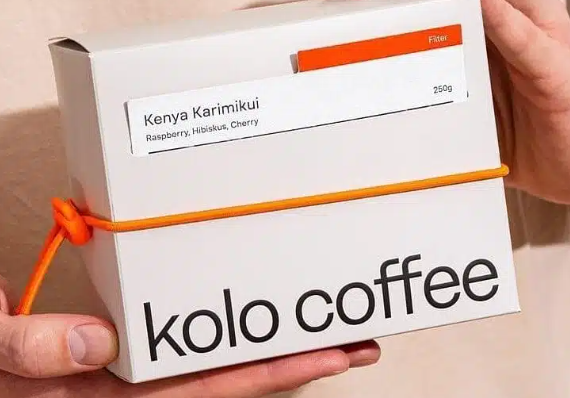
Furthermore, high-quality packaging enhances the unboxing experience, allowing consumers to perceive the product’s value both visually and tactilely. During the design process, it’s necessary to clearly define the product’s attributes and usage scenarios, such as whether long-distance transportation is required, whether it’s a fragile item, or whether it needs to be repeatedly opened. Based on this, selecting appropriate structural forms and materials, combined with color, pattern, and craftsmanship design, ensures that the packaging possesses both good load-bearing capacity and protection, as well as outstanding visual appeal. Only by finding a balance between function and aesthetics can truly excellent packaging boxes be created.
Design Key Points Breakdown
Rational Structural Design: Choose appropriate box structures, such as hinged boxes, flip-top boxes, drawer boxes, etc., and optimize the structure according to the product’s weight and size to make the packaging more stable and less prone to deformation.
Material Selection: Select suitable materials based on product characteristics, such as thick cardboard, corrugated paper, or composite materials. High-strength materials can enhance load-bearing capacity and improve the overall texture.
Enhanced Load-Bearing Capacity and Support: Internal inserts, dividers, or reinforced corners can be added to prevent the product from shifting or being damaged during transportation.
Harmonious and Unified Visual Design: While ensuring structural sturdiness, use color matching, graphic design, and typography to make the packaging attractive and convey a sense of brand identity.
Enhanced Texture through Craftsmanship: Use techniques such as hot stamping, embossing, and spot UV coating to enhance the visual effect without compromising structural strength.
Single Design vs Comprehensive Design
If only the appearance is emphasized while neglecting structure and materials, the packaging box may look exquisite, but it’s prone to deformation or damage during transportation or use, affecting the consumer experience. Conversely, if only sturdiness is emphasized, using heavy materials while ignoring visual design, the packaging will appear bulky and unattractive, failing to enhance the product’s value. In comparison, comprehensive design is more advantageous. By combining a reasonable structural design with high-strength materials, along with exquisite visual elements and craftsmanship, packaging can achieve both sturdiness and aesthetic appeal. For example, a high-end gift box using a rigid cardboard structure with a magnetic flip-top design is not only sturdy and durable but also enhances visual depth with a gold-stamped logo and embossed details, giving it a more premium feel.
Frequently Asked Questions
Q: How to ensure packaging is both sturdy and lightweight?
A: By optimizing the structural design and selecting appropriate materials, thickness and weight are controlled while ensuring strength, resulting in packaging that is both lightweight and robust.
Q: Is it necessary to design high-strength packaging for all products?
A: Not necessarily; it depends on the product’s characteristics. Fragile or high-value products require higher strength, while ordinary products can be appropriately simplified.
Q: Will aesthetic design affect packaging strength?
A: A well-designed packaging will not. As long as visual design is based on structural stability, both can be achieved.
Q: How to improve the unboxing experience?
A: Through structural design (such as drawer-style or magnetic boxes) and attention to detail, make the unboxing process smoother and more ceremonial.
Practical Design Tips
In actual design, aesthetics and sturdiness can be combined through detail optimization. For example, adding reinforced corners and embossing or partial hot stamping to the surface makes the packaging both durable and sophisticated. Using custom-made inner trays can secure the product, reduce movement, and enhance the overall visual appeal. When designing, start with the basic structure and gradually optimize the appearance details to ensure the packaging is both practical and attractive.
Designing a beautiful and sturdy packaging box requires comprehensive consideration of four aspects: structure, materials, visual appeal, and craftsmanship. Structure is fundamental, determining the stability and durability of packaging; materials provide assurance, directly impacting load-bearing capacity and texture; visual design is key, determining the packaging’s appeal and brand expression; and craftsmanship enhances details, giving packaging a more sophisticated and layered look. In actual design, product needs should be the core focus, selecting appropriate design solutions based on the usage scenario. For example, products with high transportation requirements should prioritize structural and material strength; while packaging for display or gifts needs to enhance visual appeal while ensuring sturdiness. By rationally combining these elements, a balance between functionality and aesthetics can be achieved in packaging. An excellent packaging box not only protects the product but also conveys brand value through visual and tactile experiences, providing consumers with a positive experience. Only by balancing practicality and aesthetics in design can packaging truly realize its value and make the product more competitive in the market.

