
How to determine if a product’s packaging needs redesign?

Packaging design is not static throughout the product lifecycle; it needs to be constantly adjusted according to market conditions, consumer demands, and brand development. When packaging fails to effectively convey brand value, attract target consumers, or meet usage needs, redesign should be considered. Successful packaging can boost sales and enhance brand awareness, while outdated or mismatched packaging can hinder product development. Especially in highly competitive markets, consumer aesthetics change rapidly; packaging that hasn’t been updated for a long time is easily perceived as “old-fashioned” or “unattractive.” Furthermore, with the development of e-commerce and changing consumption habits, packaging must adapt not only to offline shelves but also to online displays and logistics. Therefore, determining whether packaging needs redesign requires not only considering outdated appearance but also a comprehensive analysis of sales performance, user feedback, brand positioning, and functional requirements. Only by making decisions based on thorough evaluation can packaging upgrades truly bring value enhancement, rather than simply visual changes.
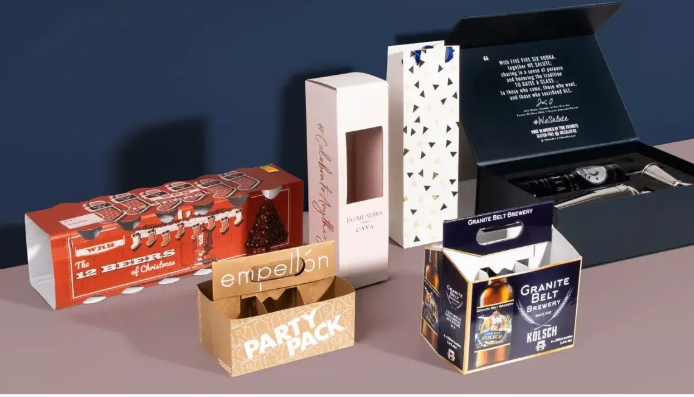
Six signals that need to be redesigned
· Continuously declining sales
If the product itself has no obvious problems but sales are declining, it may be due to insufficient packaging appeal. (2) Outdated Visual Style: The design fails to align with current aesthetic trends, giving a sense of antiquity.
· Changes in Brand Positioning
When a brand upgrades or adjusts its direction, the existing packaging may no longer be suitable.
· Poor Consumer Feedback
For example, users find the packaging unattractive, inconvenient to use, or lacking in clear information.
· Competitors Have a Clear Advantage
Similar products have more attractive packaging, causing your product to be overlooked.
· Functionality Fails to Meet Needs
For example, poor sealing, fragility during transportation, or unsuitability for e-commerce delivery.
How to Determine if Product Packaging Needs a Redesign?
If a product’s packaging still attracts consumers, maintains stable sales, and aligns with the brand positioning, then even if the design isn’t innovative, it may not need to be replaced. Conversely, if the packaging lacks visual appeal or fails to clearly convey product information, even if the product quality is excellent, it may negatively impact sales. Regarding user experience, if consumers experience inconvenience during use, such as difficulty in opening or storage, then a redesign is particularly necessary. Furthermore, in a competitive environment, if similar products gain a significant advantage through packaging upgrades while the product itself stagnates, it is easily eliminated from the market. Therefore, the key to whether a redesign is necessary lies in “whether it affects market performance and user experience.”
Frequently Asked Questions about Packaging Updates
Q: How often should packaging be updated?
A: There is no fixed time; it should be determined based on market changes and brand development.
Q: Is a decline in sales always a packaging problem?
A: Not necessarily, but packaging is one of the factors that needs to be investigated.
Q: Can only partial adjustments be made?
A: Yes, for example, optimizing colors or layout, without having to completely redesign.
Q: Is redesigning very risky?
A: There is some risk; research and testing are needed to reduce uncertainty.
How Redesigned Packaging Presents Its Impact?
For example, some traditional food brands upgrade their packaging with simpler or more stylish designs to attract new users as their consumer base grows. E-commerce brands optimize packaging structures to improve transportability and reduce spoilage. Other brands redesign their packaging when launching high-end product lines to project a higher-quality image. Additionally, some companies make minor adjustments, such as changing the main color scheme or optimizing fonts, to make the packaging look more modern without affecting existing consumer perception.
When considering packaging adjustments, companies should first determine whether the current packaging is impacting sales performance, brand awareness, and user experience before deciding whether to optimize it. If the packaging is no longer appealing to the target audience or deviates from the brand positioning, then redesign is a practical necessity. Conversely, if the packaging still performs well in the market, it can be improved through partial optimization without major changes. Avoid blindly following trends or frequently changing designs, as this not only increases costs but may also weaken brand recognition. A more reasonable approach is to maintain the stability of core visual elements while gradually optimizing details, ensuring that the packaging both perpetuates brand memory and adapts to market changes. Only through this problem-oriented and user-centric approach can packaging design truly realize its value and become an effective tool for driving the continuous development of products.

