
How to Enhance Brand Memorability Through Packaging Design?

In an increasingly competitive market, consumers are exposed to a multitude of products daily. If a brand cannot be remembered quickly, it is easily replaced by other products. Therefore, besides its protective function and visual appeal, one of the most important roles of packaging design is to help brands establish clear “memory points.” A brand memorability point is when consumers see a certain color, graphic, structure, or packaging style and immediately associate it with the corresponding brand. This rapid association directly impacts consumers’ purchasing habits and brand loyalty. Many successful brands have maintained their place in consumers’ minds not because of significant differences in product functionality, but because they have formed highly consistent and easily recognizable visual characteristics in their packaging design. For example, some brands establish recognition through fixed colors, some reinforce memory through unique bottle shapes, and others create a lasting visual impression through simple typography. The repeated appearance of these elements over time gradually builds brand equity. At the same time, brand memorability points are not synonymous with complex designs. Many people mistakenly believe that “the more unique, the easier it is to remember,” resulting in too many packaging elements, which actually reduces recognition efficiency. Truly effective memorability points are often simple, stable, and consistently appearing visual elements. Consumers don’t remember every design detail, but they do remember the core, most recurring elements. Therefore, enhancing brand memorability through packaging design essentially means establishing a stable and clear brand impression in consumers’ minds.
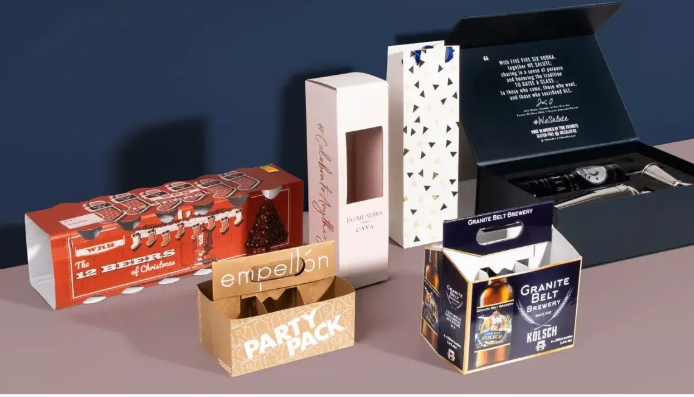
How to enhance brand memorability?
- Establish a unified and consistent brand color scheme
Color is one of the visual elements consumers perceive most quickly and is also the easiest to form long-term memories. Therefore, establishing a stable brand color system is crucial in packaging design. Many established brands use fixed primary colors, such as red, blue, or green, allowing consumers to quickly recognize the brand from a distance. A unified color scheme not only improves recognizability but also strengthens the brand’s emotional expression. For example, green usually conveys a sense of nature and health, while black and gold easily evoke a sense of high-end quality. When consumers repeatedly encounter the same color combination, they gradually develop a conditioned reflex memory. Therefore, core colors should not be frequently changed in the design; instead, they should be kept consistent over a long period, making color an important visual asset of the brand.
- Design a recognizable packaging structure
Besides the visual aspect, the packaging structure itself can also become a brand memorability point. For example, some brands use special bottle shapes, opening methods, or unique outlines to allow consumers to identify the product’s origin even without seeing the logo. Structural memory is usually more stable than pattern memory because it affects not only visual perception but also the user experience. For example, beverage products often enhance recognizability through unique bottle designs, while gift box products may increase the sense of ritual through special opening structures. This design approach allows consumers to form a deeper impression during use. Compared to ordinary structures, packaging with unique recognizability is more likely to differentiate itself in the market and is more likely to be remembered by consumers in the long term.
- Maintaining a consistent visual style over the long term
Many brands frequently change their design styles during their development, hoping to attract consumers through constant changes. However, if changes are too frequent, it will weaken brand memory. Because the visual style has already changed just as consumers have established their awareness, it is difficult to form a stable impression in the long run. Therefore, in packaging design, it is necessary to establish a consistent visual language, including font style, layout logic, graphic elements, and information arrangement. For example, some brands retain the same layout structure and design rhythm even when launching different product series, allowing consumers to always feel the consistent brand characteristics. A consistent visual style strengthens consumer memory and makes the brand image more stable and professional.
- Highlighting Core Visual Symbols and Graphic Elements
A memorable brand usually has clear visual symbols. For example, special icons, illustrated characters, geometric shapes, or fixed textures can all be important elements of brand recognition. Compared to complex designs, simple and recurring symbols are easier for consumers to remember. In packaging design, these symbols do not necessarily occupy a large area, but they must appear consistently. For example, some food brands use a fixed illustration style for a long time, while skincare brands may use simple lines and specific graphics to enhance professionalism. When consumers see the same element repeatedly, they gradually form a visual association. Excellent visual symbols can even exist independently of text, allowing consumers to recognize the brand at a glance.
- Optimizing Information Hierarchy to Improve Recognition Efficiency
When consumers come into contact with packaging, they usually only pay attention to the most eye-catching part first. Therefore, the clarity of the information hierarchy directly affects the brand’s memorability. If the brand name is buried under a lot of text, or if key information is not highlighted, it will be difficult for consumers to quickly form an impression. Therefore, in packaging optimization, the brand name, core graphics, and selling points should be placed in the most prominent positions, and visual focus should be controlled through font size, color contrast, and white space. Reducing irrelevant information allows consumers to grasp the core brand content more quickly. In fact, many highly recognizable packages are not due to more elements, but rather to clearer focus. The more concentrated the information, the easier it is to form a memory point.
- Strengthening Brand Association Through Emotion and Experience
Brand memory comes not only from visual perception but also from consumers’ emotional experiences. If packaging can evoke feelings of pleasure, ritual, or emotional resonance in consumers, then the brand impression is usually more profound. For example, high-end gift boxes enhance the sense of ritual through exquisite unboxing experiences; environmentally friendly brands enhance consumer identification through natural materials; and youthful brands increase emotional connection through fun illustrations and interactive designs. When consumers have a positive experience using the product, they are more likely to remember the brand. This memory goes beyond simply “seeing” it; it transforms into a deeper emotional cognition. Therefore, excellent packaging design must not only be visually appealing but also able to establish an emotional connection.
How well do packages with brand memory points perform in the market? Packaging with brand memorability often generates higher market attention and consumer discussion. Compared to ordinary packaging, packaging with a unique visual style, color recognition, structural design, or brand symbols makes it easier for consumers to quickly remember the brand among numerous similar products. For example, some brands enhance the consumer’s first impression through fixed color schemes, special opening methods, creative illustrations, or simple and sophisticated layout designs. When consumers see similar elements again on shelves, short videos, e-commerce platforms, or even social media, they will quickly associate them with the corresponding brand. This “visual memory” directly enhances brand recognition. At the same time, packaging with strong memorability also easily encourages users to share spontaneously, especially among young consumers. Packaging is no longer just a protective shell for the product; it has become part of “photo sharing” and “social display.” Many consumers are willing to share their purchases and post unboxing videos because the packaging looks good, thus creating a secondary dissemination effect. For companies, this kind of dissemination can reduce brand education costs and increase product repurchase rates. In addition, packaging with memorability can help brands establish a clearer market positioning. For example, a sense of high-end quality, youthfulness, environmental protection concepts, or cultural characteristics can all be quickly conveyed to consumers through packaging. In the long run, a successful packaging memorability point can even become part of brand equity, allowing consumers to recognize the product through color, graphics, or packaging outline even without seeing the brand name. Therefore, in a highly competitive market, packaging with a memorable brand identity is generally more likely to attract consumer attention, increase sales, and enhance the brand’s long-term influence.
Frequently Asked Questions
Q: Is a more complex brand memorability point always better?
A: No, simple and stable elements are easier to remember.
Q: Will frequently changing packaging styles affect the brand?
A: Yes, excessive changes can weaken consumer recognition.
Q: Only large brands need brand memorability points?
A: No, smaller brands need them even more to establish brand recognition.
Q: Does packaging color really affect consumer memory?
A: Yes, color is one of the fastest elements to form visual associations.
How do different brands establish packaging memorability points?
Some beverage brands consistently use the same bottle shape and main color scheme, allowing consumers to quickly recognize the brand even from a distance; high-end skincare brands reinforce their professionalism through a unified white space style and simple fonts; snack brands often use cartoon characters and high-contrast colors to create a youthful image; and tea gift boxes strengthen their cultural connotations through traditional patterns and specific materials. These examples illustrate that brand memorability isn’t limited to a single form, but rather is built up through the continuous accumulation of consistent visual expression over a long period.
The key to enhancing brand memorability through packaging design lies not in the complexity of the design, but in establishing a stable, clear, and consistently repeated brand visual language. From color and structure to graphics and information hierarchy, every detail can become a crucial entry point for consumers to remember the brand. Only when these elements are consistently unified and reinforced over a long period can a brand truly achieve deep recognition, rather than merely remaining at the level of fleeting visual appeal.

